Two full days of company visits within Istanbul, with the coach and the guide held for the cohort from morning to evening.
A half-day meeting room at the hotel, A/V in place, for case work between the visits. A full day of transport and guide on call for the university's own strategy challenge and event.
A health and safety orientation on the arrival evening, before the group goes anywhere.
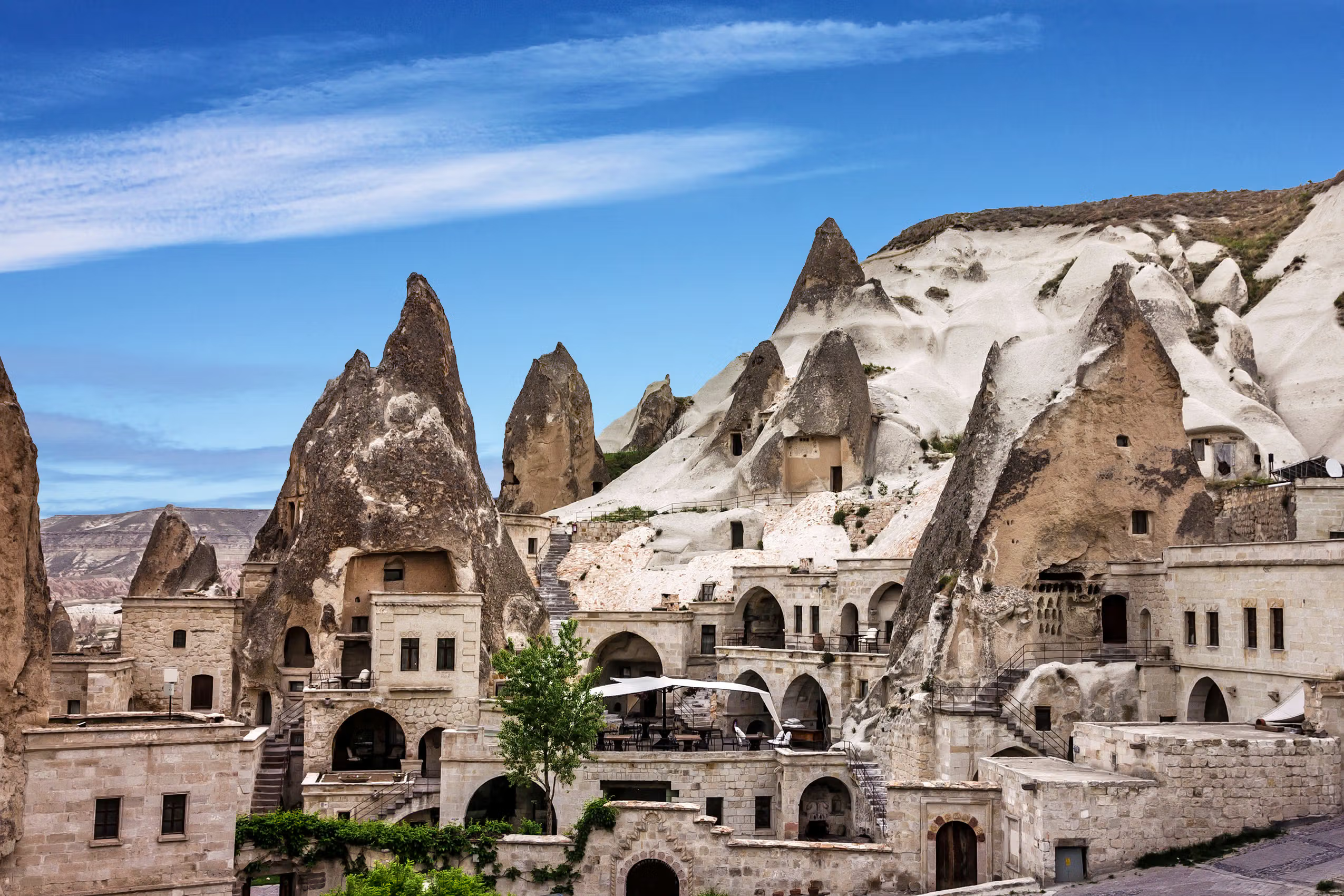
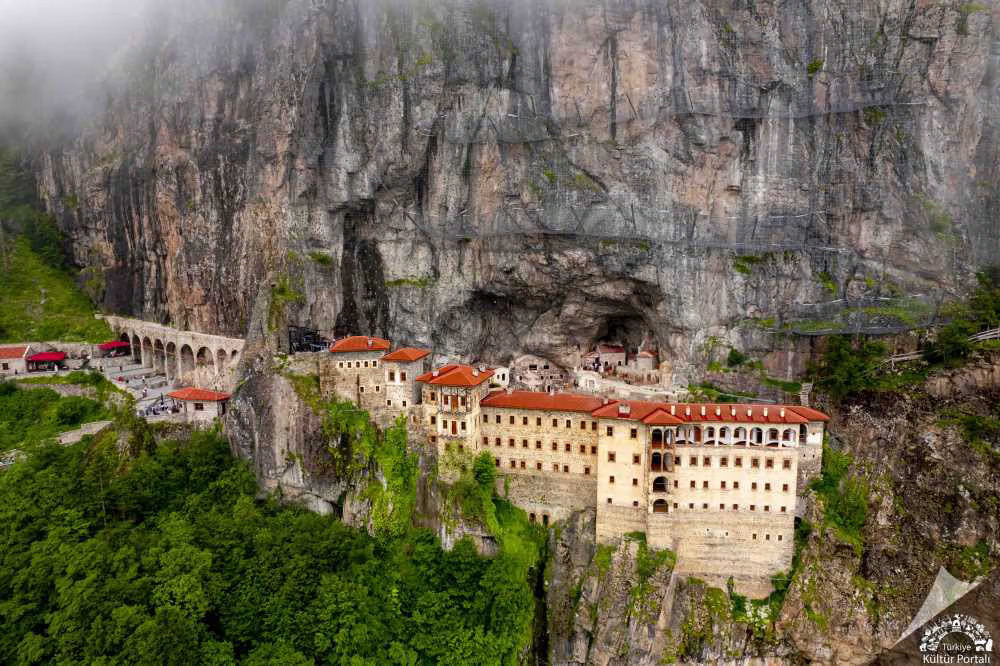
The Hippodrome, the Blue Mosque and Hagia Sophia in one afternoon, Topkapı and the Basilica Cistern in the next, rather than one exhausting day. Göreme and Zelve, two rock-cut settlements with Byzantine frescoes, and Özkonak underground on the way out.
A potter's wheel at Avanos on the Kızılırmak, where the cohort throws rather than watches. Anıtkabir and the Museum of Anatolian Civilizations, which closes the trip where the Republic begins.
Why the programme is built this way
The academic days were fixed first and everything else was scheduled around them. That is the whole method, and it is the opposite of how a leisure itinerary is built.
All four working days sit in Istanbul, before the group moves. Company visits only happen where the companies are, and nobody does useful case work on the evening of a travel day. So the whole working half of the programme falls in the first five days, in one city, with no intercity transfer inside it. Once the cohort boards the train the trip becomes a different thing, and that is deliberate: the second half is the context and the reward rather than more work.
Sightseeing comes in half-days, deliberately. A cohort cannot do a full day of company visits and a full day of monuments in the same week without someone falling asleep in a boardroom. So the two Istanbul sightseeing blocks are afternoons, each paired with a working morning, and the Basilica Cistern is placed after a meeting-room morning because it is underground and cool.
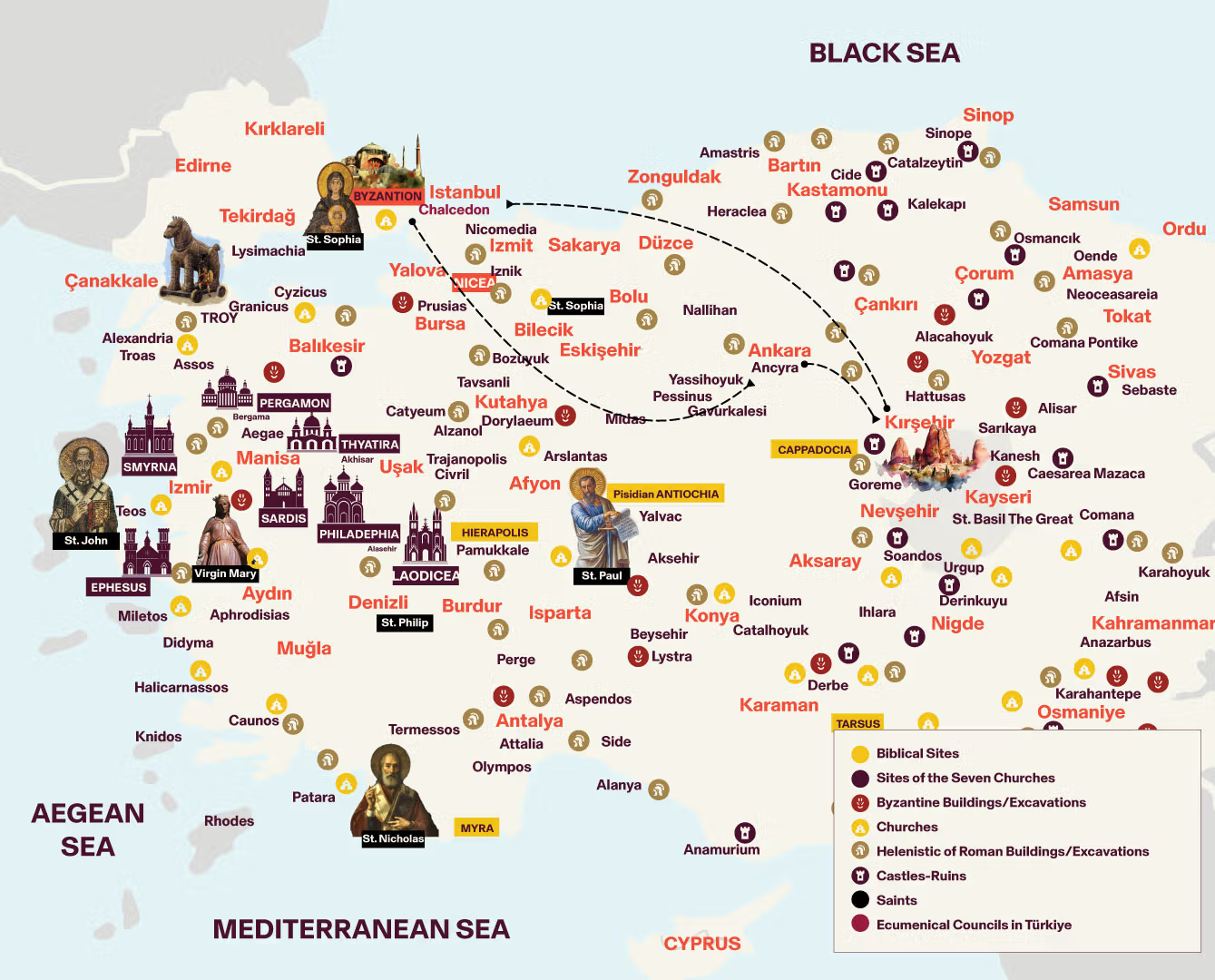
The train rather than the plane. Istanbul to Ankara runs about four and a half hours on the high-speed line, station to station, with a short Marmaray connection at the Istanbul end and tables and power at every seat. For a cohort that is still working, that is a mobile classroom; a flight on the same leg saves nothing once two airports are counted and costs a working session. The Ankara to Cappadocia legs are by road because there is no rail alternative.
The route doubles back through Ankara on purpose. Going out through Ankara to Cappadocia and returning through Ankara looks inefficient on a map, but it puts the capital at the end, where Anıtkabir and the Hittite collection land properly — and it means the long legs are both on rails rather than one on rails and one in the air.
Feature
Details
Days
11 days, 10 nights
Working days
4 — two company-visit days, one day for the faculty's own programme, one meeting-room half day
Working days before the group changes city
all 4
Cities
3 — Istanbul, Cappadocia, Ankara
High-speed train
2 legs, about four and a half hours each, city centre to city centre
UNESCO World Heritage Sites
2 — Historic Areas of Istanbul, Göreme and the rock sites of Cappadocia
Itinerary
Day 1 | Istanbul — arrival and orientation
The cohort is met at the airport at the common arrival time and transferred to the hotel. Before anyone leaves the building there is a health and safety orientation in an informal meeting space — ground rules, local numbers, what to do and who to call. Then the welcome dinner, which is meat and kebab done properly rather than a hotel function room.
Day 2 | Istanbul — company visits, then the old city
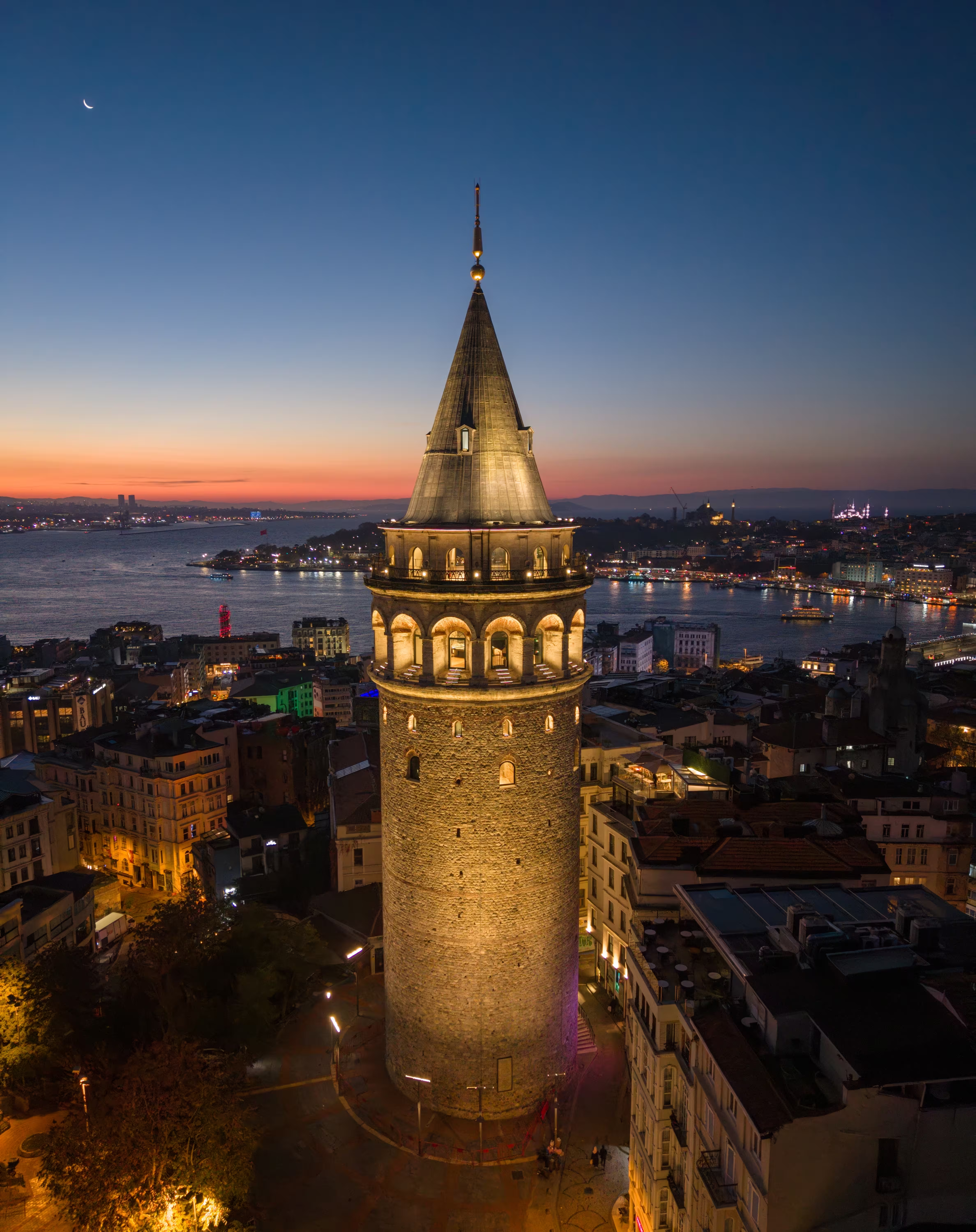
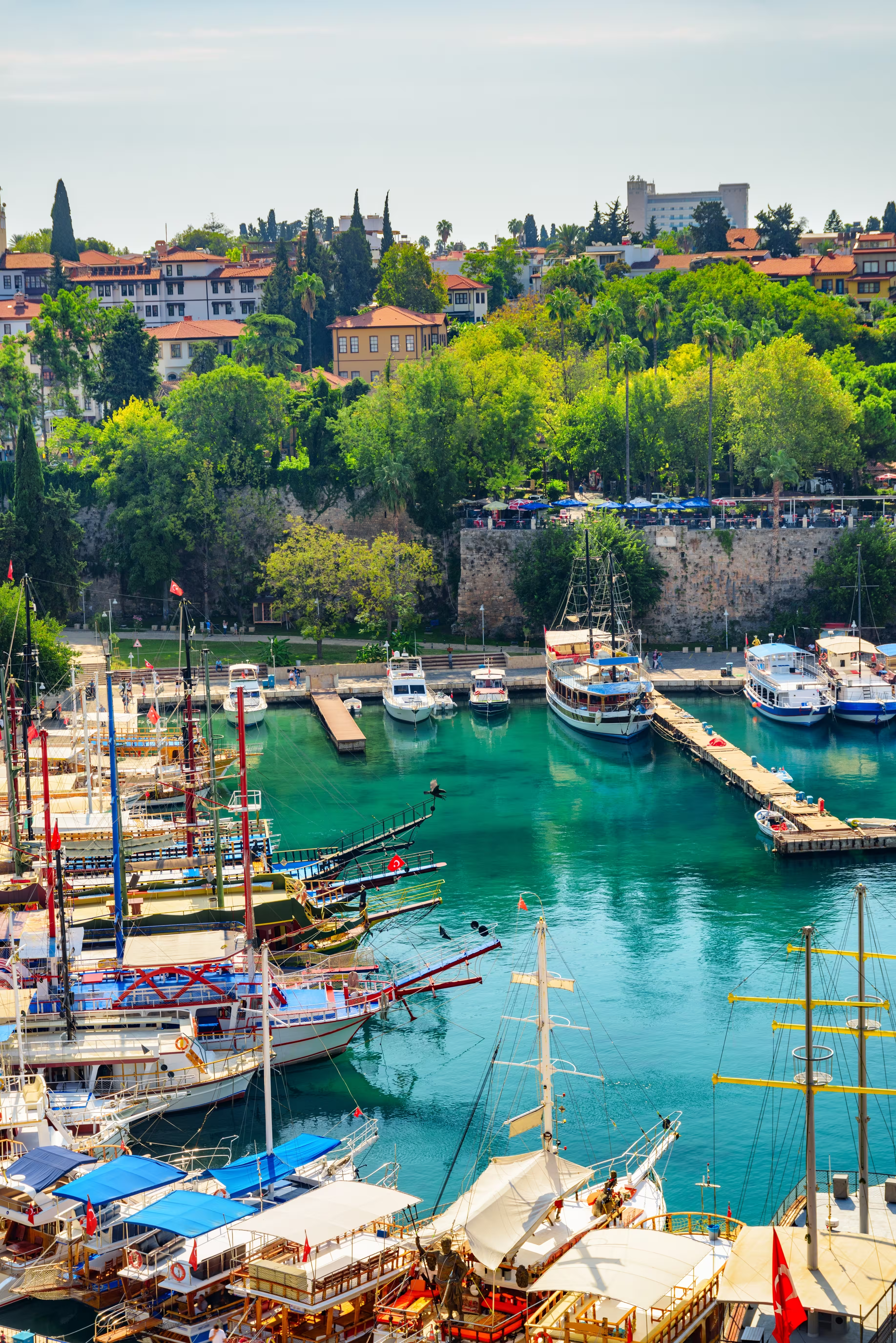
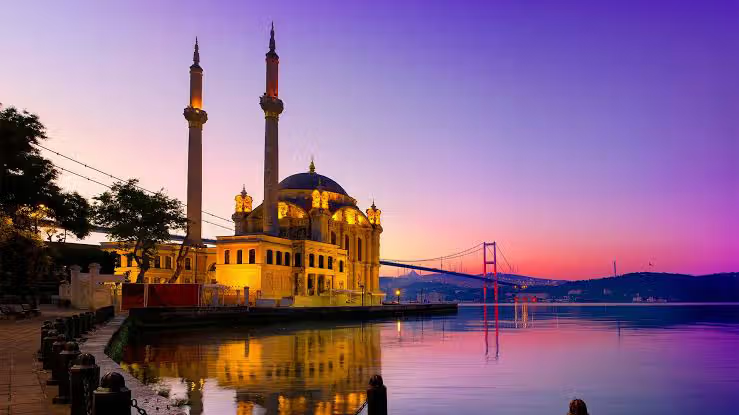
Company visits through the morning, within the city limits so no time goes on transfer. After lunch the historic centre: the Hippodrome, where the chariot track still shapes the square and the Egyptian obelisk and theSerpent Column stand where the Byzantines left them; the Blue Mosque, six minarets and twenty thousand İznik tiles, visited around prayer times; then Hagia Sophia, which has been a cathedral and a mosque and carries both.
Day 3 | Istanbul — meeting room, then Topkapı
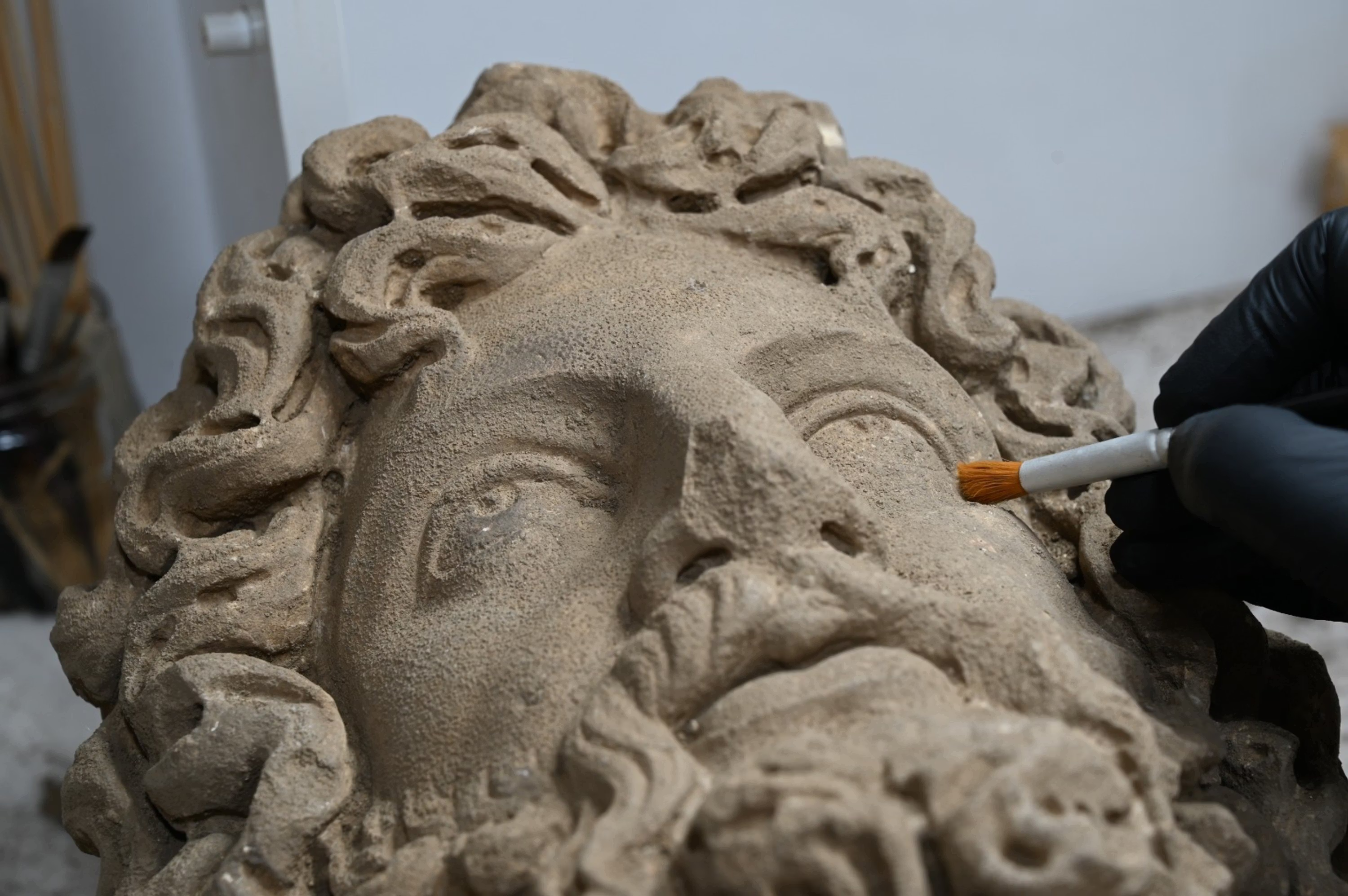
The morning is the hotel meeting room, A/V in place, for case work. In the afternoon Topkapı: four courtyards, the imperial collections and the view down to where the Bosphorus meets the Golden Horn. Then the Basilica Cistern, a sixth-century Byzantine reservoir held up by three hundred and thirty-six marble columns, two of them standing on Medusa heads laid on their sides. It is cool and dark, which after a working morning is the point.
Day 4 | Istanbul — the university's strategy challenge
The day belongs to the university. Coach and guide are held for the cohort within the city limits for the whole of it, moving between wherever the challenge and the event require, which means the faculty runs their programme and nobody is waiting for transport.
Day 5 | Istanbul — company visits
A second full day of company visits across the city, with the vehicle and the guide again held all day. It is the last working day of the programme and the last day before the group changes city.
Day 6 | Istanbul to Cappadocia — by rail and road
Transfer to the station and the high-speed train to Ankara, four and a half to five hours with tables and power, then the drive south-east to Cappadocia. Dinner at a local restaurant, and in the evening the Sema at the Saruhan caravanserai: a thirteenth-century Seljuk road station on the Silk Road, and the Mevlevi ceremony performed inside it. It is a rite rather than a show, and the guide will say so before it starts.
Day 7 | Cappadocia — Göreme and Zelve
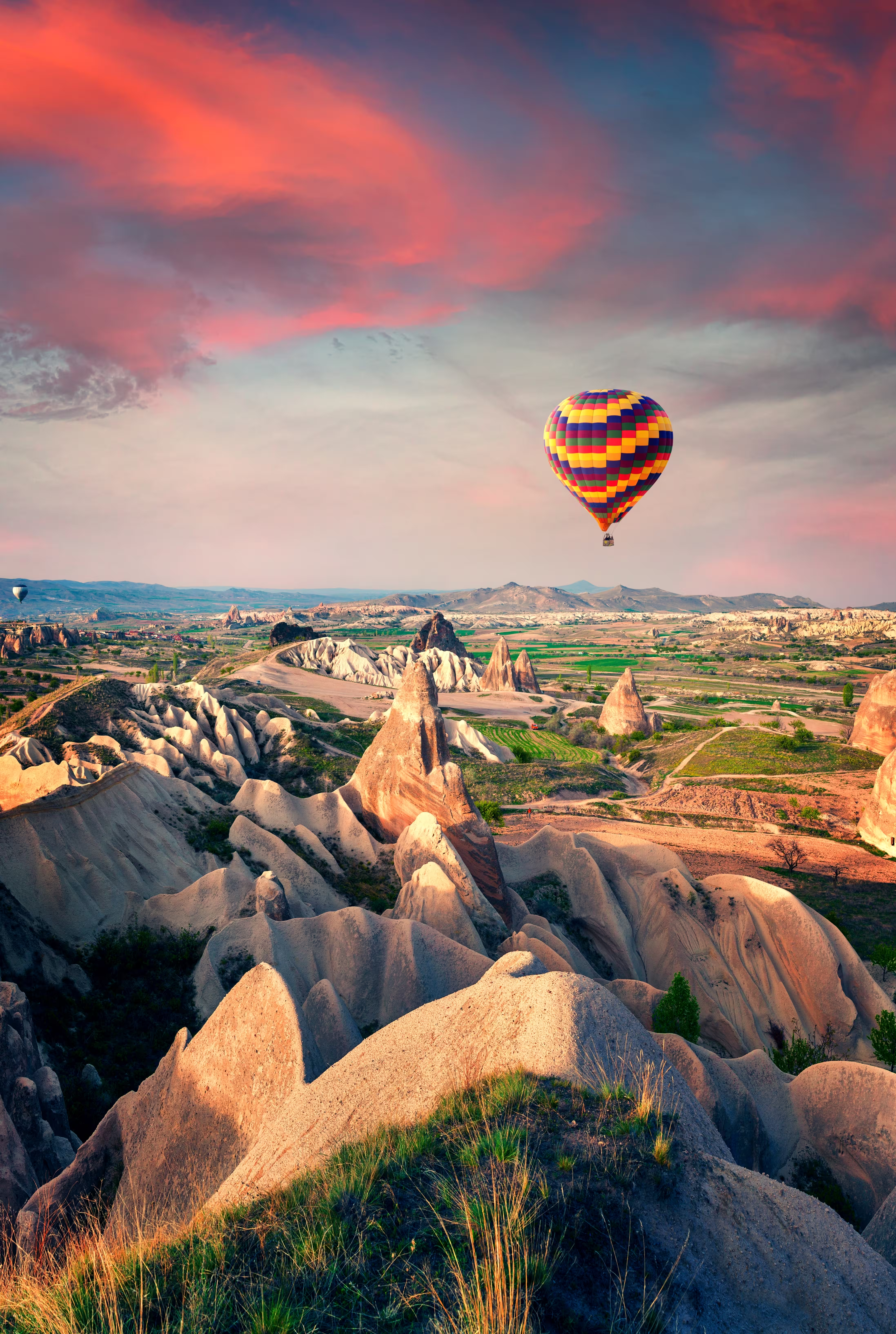
The Göreme Open Air Museum first: a monastic valley of rock-cut churches and refectories, the frescoes eleventh-century and in some chapels almost intact. Then Zelve, which is the same idea without the restoration — three valleys of cave dwellings, chapels and tunnels that people lived in until the 1950s, when the rock became unsafe and the village was moved. Walking Zelve after Göreme is what makes the scale of it land.
Day 8 | Cappadocia to Ankara — Özkonak, Avanos and the Salt Lake
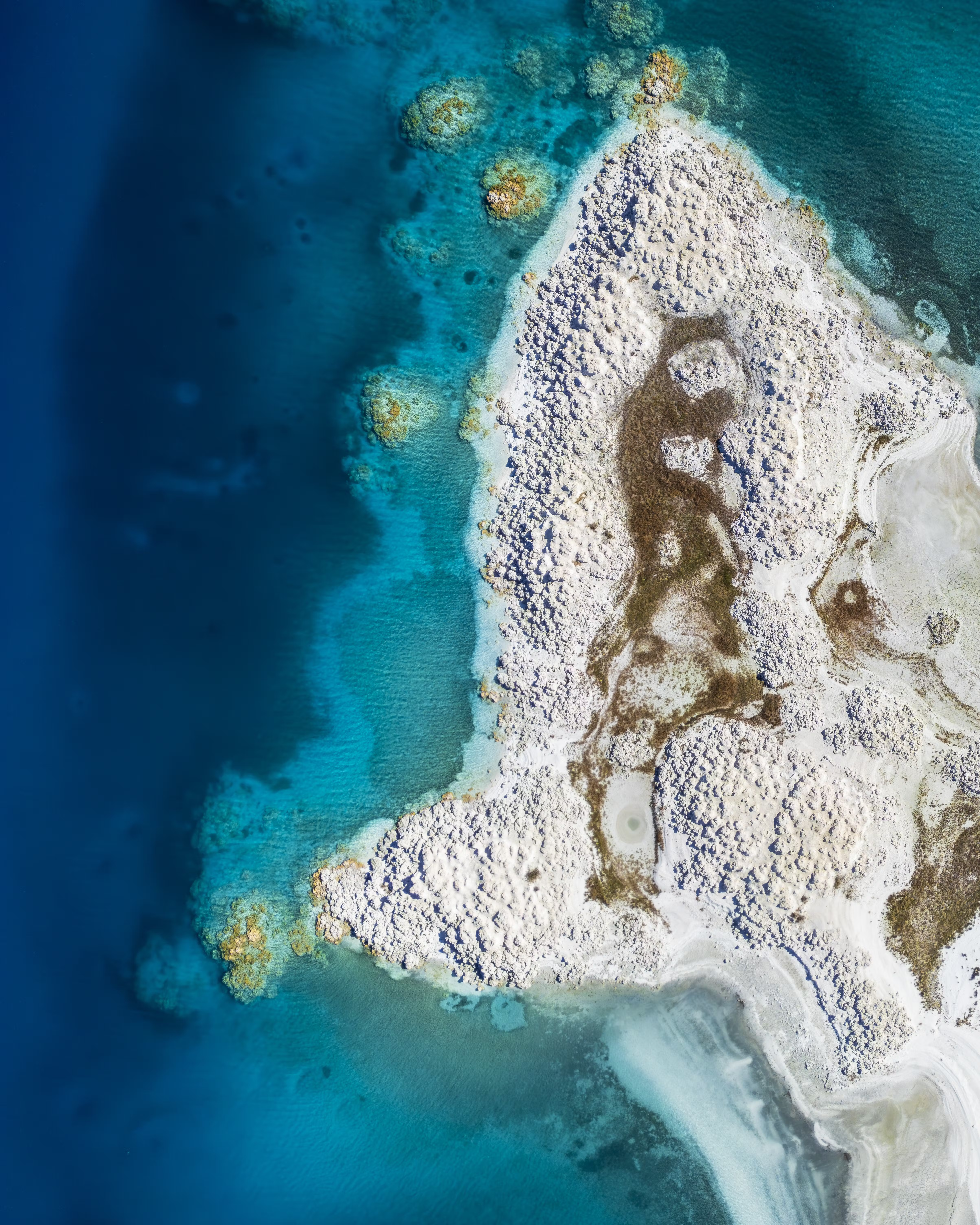
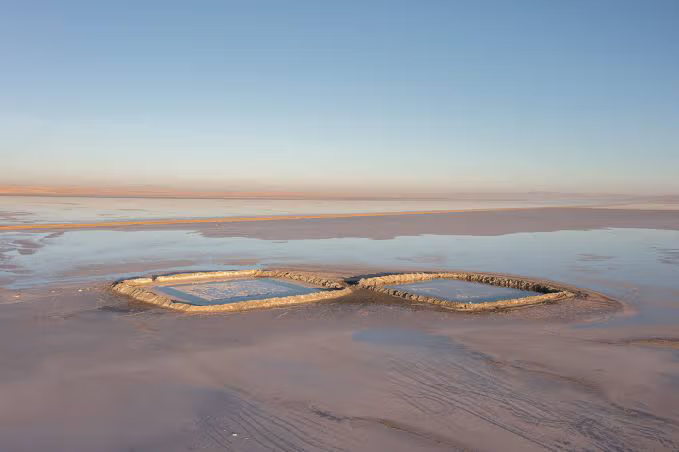
Özkonak underground city in the morning: passages, living quarters, store rooms and a ventilation system that still draws, cut by people who needed to go under ground and stay there. Then Avanos on the Kızılırmak, where the red river clay has been worked for three thousand years and the cohort gets on a wheel rather than watching one. In the afternoon, north to Ankara along the eastern shore of Lake Tuz, then the citadel: Ankara Castle, the view over the city, and the old streets of Ulus on foot.
Day 9 | Ankara — Anıtkabir and the Hittites
Anıtkabir in the morning, Atatürk's mausoleum and the national ceremonial ground — the courtyard, the Hall of Honour and the museum below it, which is the clearest hour anyone will spend on how the Republic was made. Then the Museum of Anatolian Civilizations, where the Hittite, Phrygian and Urartian collections sit in an Ottoman covered market and reach four thousand years further back than anything else on the trip. Atakule and the observation deck in the afternoon.
Day 10 | Ankara to Istanbul
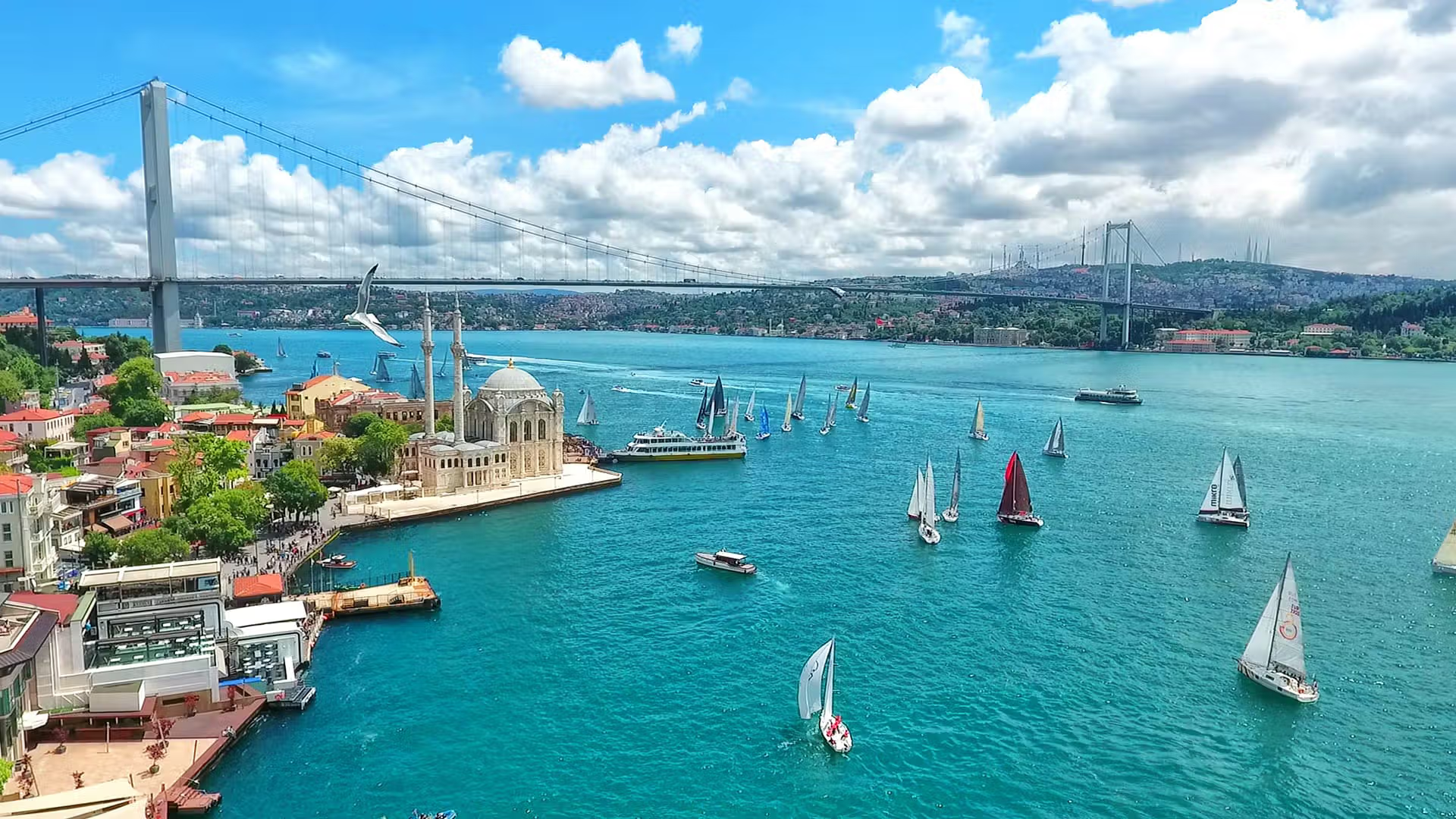
The Temple of Augustus and Rome first, Roman Ankara in the middle of the old town, with the text of Augustus's own account of his reign still cut into the walls. Then the morning train back to Istanbul. The farewell dinner is a seafood restaurant on the Bosphorus, which is the right place to end a trip that started in a boardroom.
Day 11 | Istanbul — departure
Transfer to the airport on the common departure flights.
How we work with a university programme
The academic content is yours. We make it physically possible, and that is a different job from designing a tour.
The programme is built around your days, not ours. Most educational work reaches us the same way: the university and the faculty have already designed the programme, and they need the ground handled. Company visits, a meeting room, a day of transport while the faculty runs its own session, sightseeing in the gaps. We take the fixed academic days first and build everything else around them, which is the reverse of how a leisure itinerary is assembled.
Company visits, either way round. Some groups send us the sectors and ask us to open the doors. Others already have their own contacts and need only the logistics, the timing and a guide. Both are normal and we work either way. When it is on us, we agree the format, confirm who will be in the room and tell the host what the cohort is studying, so the session is a conversation rather than a presentation. Send the request as early as you have it — not because there is a deadline, but because the more notice there is, the better the doors that open.
The vehicle and the guide stay with the group. On company-visit days, and on a day the faculty is running its own programme, the coach and the guide are held for the cohort all day rather than released between movements. On a working trip a coach waiting is cheaper than forty people waiting.
Groups split when the day needs it. A large cohort is divided among guides. Sometimes that means separate tracks for company visits; sometimes the whole group goes to the old city together, split across guides who stagger the entrances so nobody is queueing behind another part of their own cohort. We work out the shape once we know the number and the day, and it is not something you need to solve before enquiring.
Meeting space. Booked with the audio-visual tested beforehand. Rooms, breakout space, a set-up for a closing presentation, catering or no catering — we arrange it to whatever the sessions need. Sometimes it sits inside a hotel's group package and sometimes it does not; either way it is our problem rather than yours.
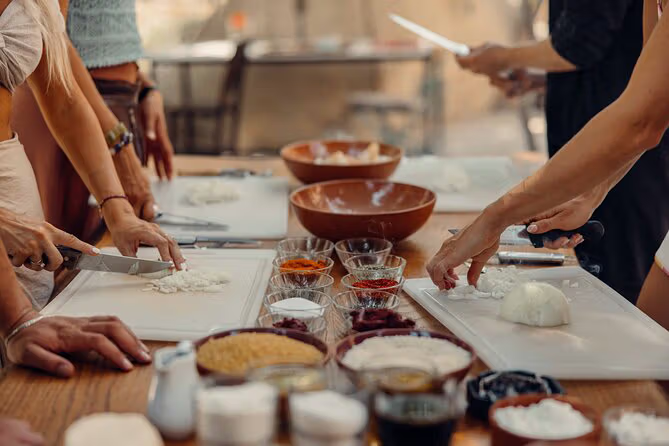
Team building, where it is wanted. It comes up often with cohorts, and it belongs inside the week rather than bolted on from outside. A cooking competition between teams, a day on a gulet with a challenge built into it, a treasure hunt through the bazaar, a regatta on the Bosphorus. We design and run these ourselves, with the same guides who are with the group all week.
Duty of care. The health and safety orientation on the arrival evening is not decoration. Universities carry a legal obligation to their students, and it is far easier for a faculty lead to sign off a programme where the briefing, the local contacts and the incident route are written down before the group leaves the hotel.
The guide brief. An educational group needs a guide who knows what the cohort is studying, not only what the building is. We brief ours on the programme beforehand, so the Hippodrome is pitched differently to a cohort reading public finance than to one reading architecture, and so the guide knows which days belong to the faculty and stays out of the way on them.
Yes, and it works either way round: some groups send us the sectors and ask us to open the doors, others arrive with their own contacts and need only the logistics and the timing. On notice, the honest answer is that earlier is better and there is no cut-off we would turn you away at. The more lead time there is, the better the companies and the more senior the people in the room. Tell us the sectors as soon as the trip has a shape, even before the dates are fixed.
The room and the audio-visual, tested before the session. Everything else — catering, breakout rooms, a set-up for a closing presentation, microphones — is arranged to whatever the programme needs. Sometimes the room sits inside a hotel's group package and sometimes it is separate. Tell us what the sessions require and we will handle it rather than hand you a menu.
By train wherever there is a line, which on this route means Istanbul to Ankara in four and a half to five hours, city centre to city centre, with tables and power. A flight on that leg saves nothing once airports are counted and costs you a working session. Where there is no rail, as between Ankara and Cappadocia, it is a coach, and we schedule a stop rather than running it straight through.
They can, and some faculties prefer it so the case presentations land after the cohort has seen the country. The reason we default to the front is practical: company visits only happen where the companies are, and nobody works well on the evening of a travel day, so front-loading keeps all four working days in one city with no transfer inside them. If you want them at the end we reverse the route and open in Cappadocia instead, which works just as well.
Yes, and a good share of what we do is exactly that. Day four of this itinerary is the university running its own strategy challenge with us providing transport, a guide on call and local fixing. We do not need to be involved in the content to run the ground well.
Both, and it does not change the programme. We work with educational travel specialists who hold the university relationship, and we work with international programme offices directly. If you are an operator, everything on this page is yours to put in front of your client under your own name.
Where the case work happened
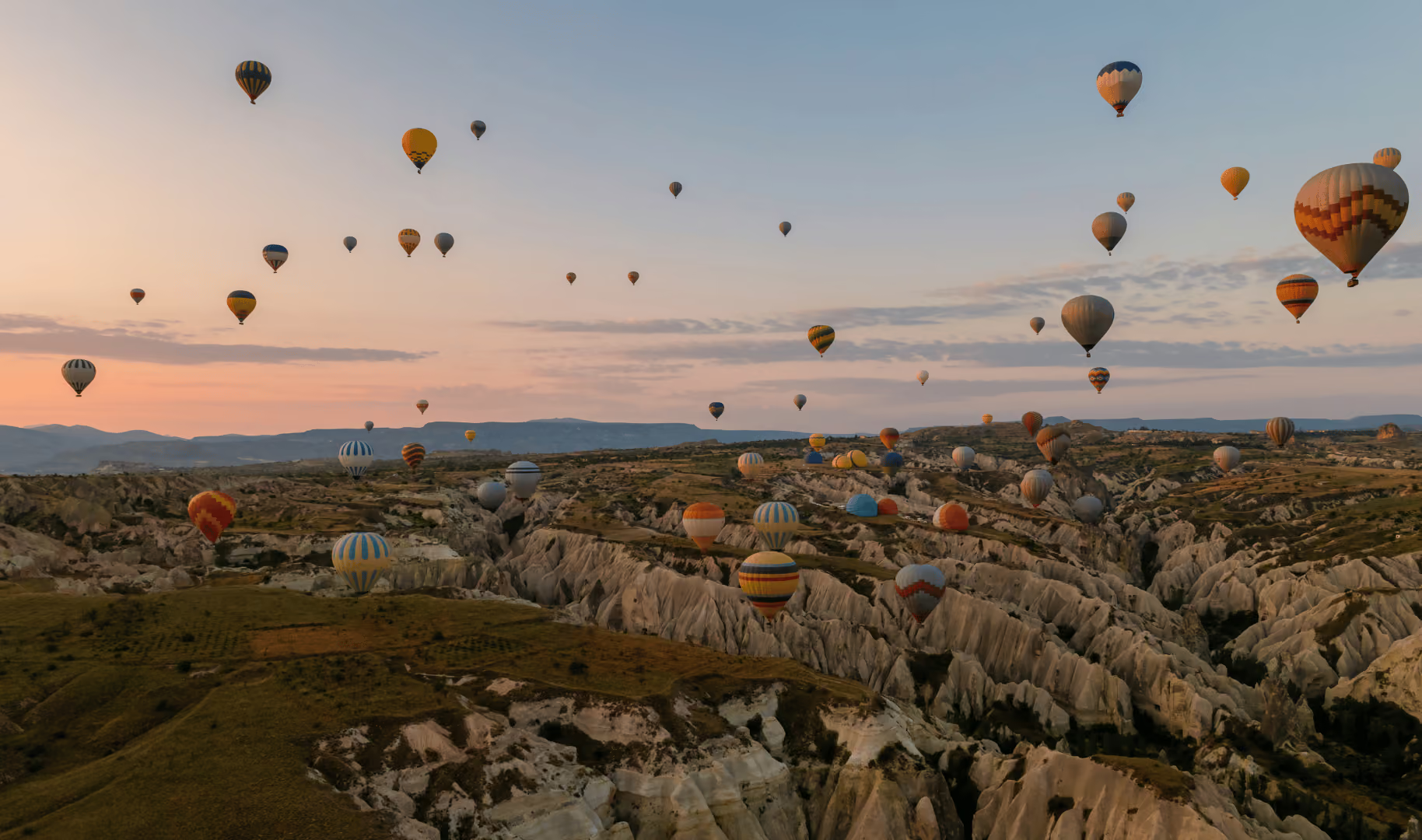
A cohort in the meeting room, questions across the table on a company visit, hands at the wheel in Avanos, and the old city in the afternoons between.
No items found.
More tours by Marveltour
Istanbul Only
4 or 5 days · Istanbul only · the request we get most often