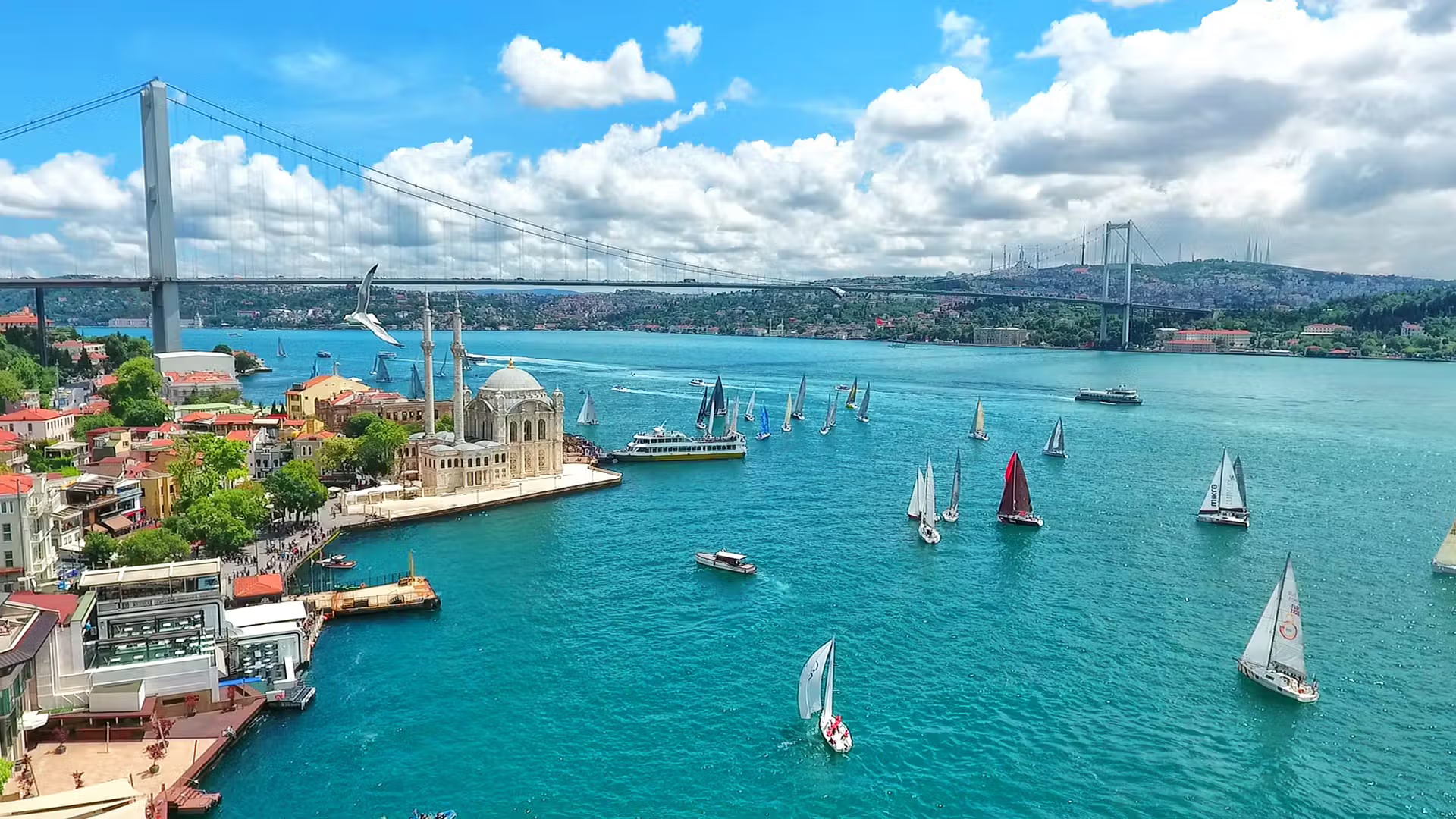
Walk Fener and Balat and into the Greek Orthodox Patriarchate, in the Istanbul the coaches never reach.
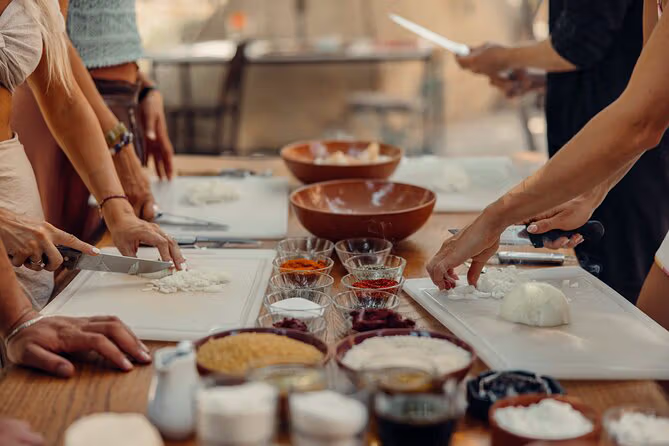
Cook lunch in a hill village above Selçuk from whatever the morning market had.
Cross the Dalyan reed channels to Kaunos, past Lycian tombs cut high into the cliff face.
Walk the roofless streets of Kayaköy, emptied in the 1923 population exchange and never lived in again.
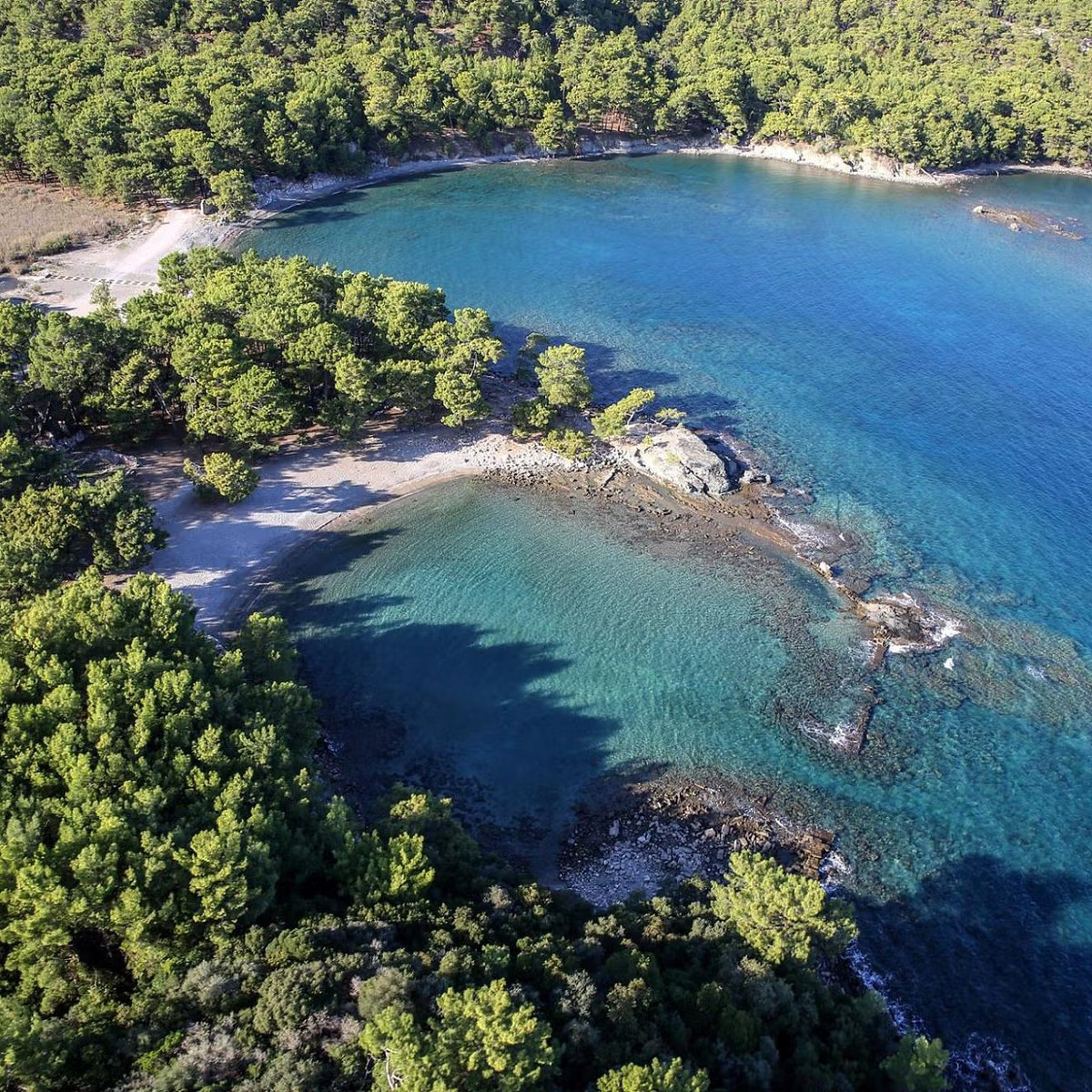
Stand in the church built over the tomb of Saint Nicholas at Demre, then end the day at Phaselis, where the pines come down to a Roman harbour.
Why the programme is built this way
One decision runs through this itinerary: everything the first visit covers is left out on purpose.
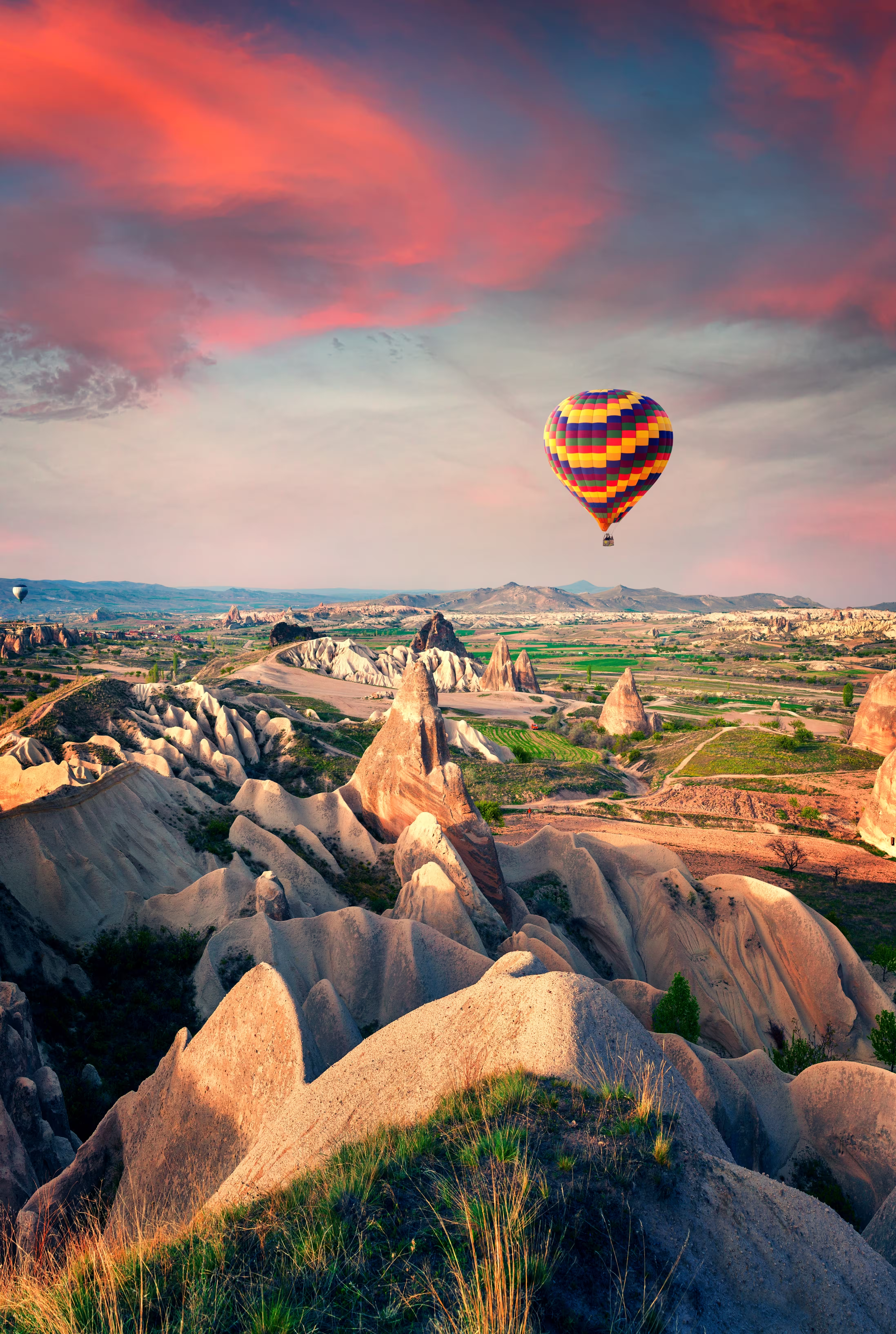
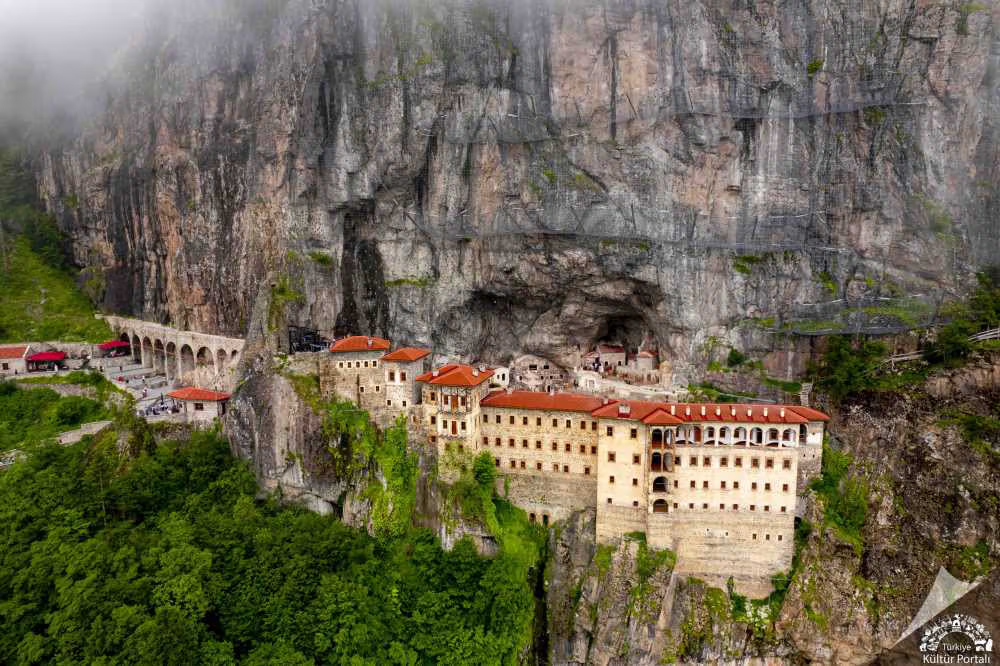
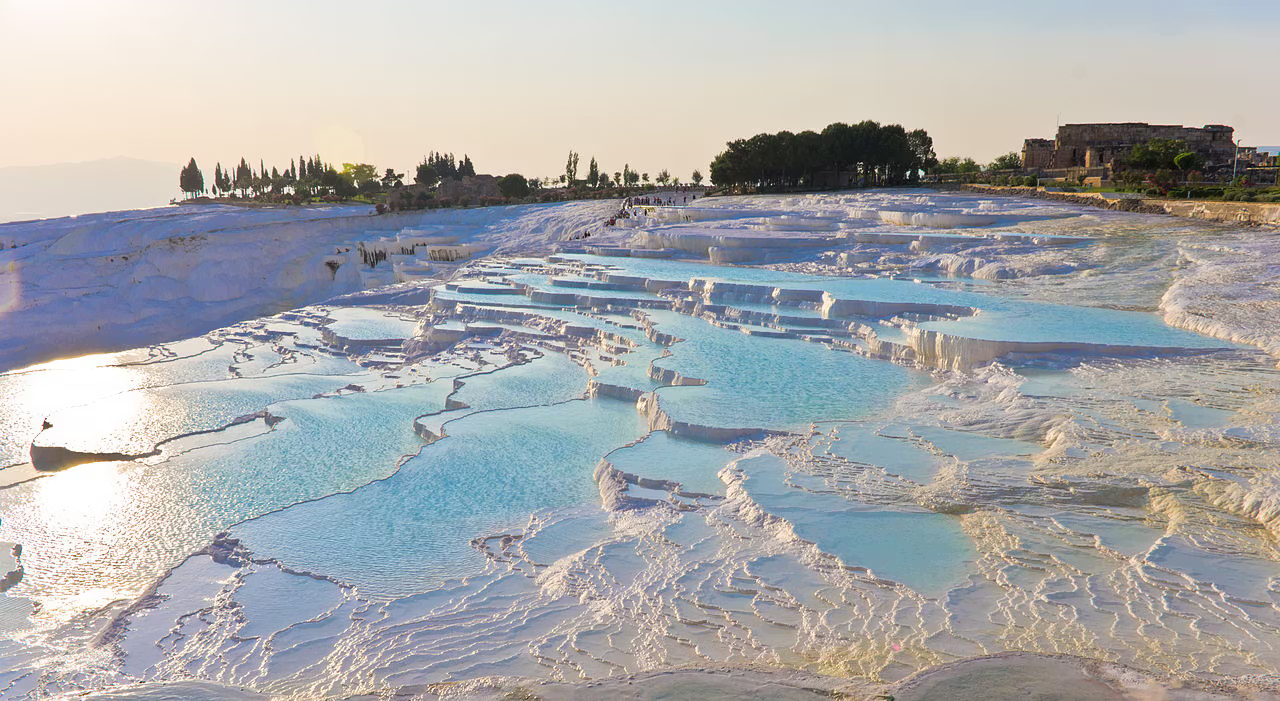
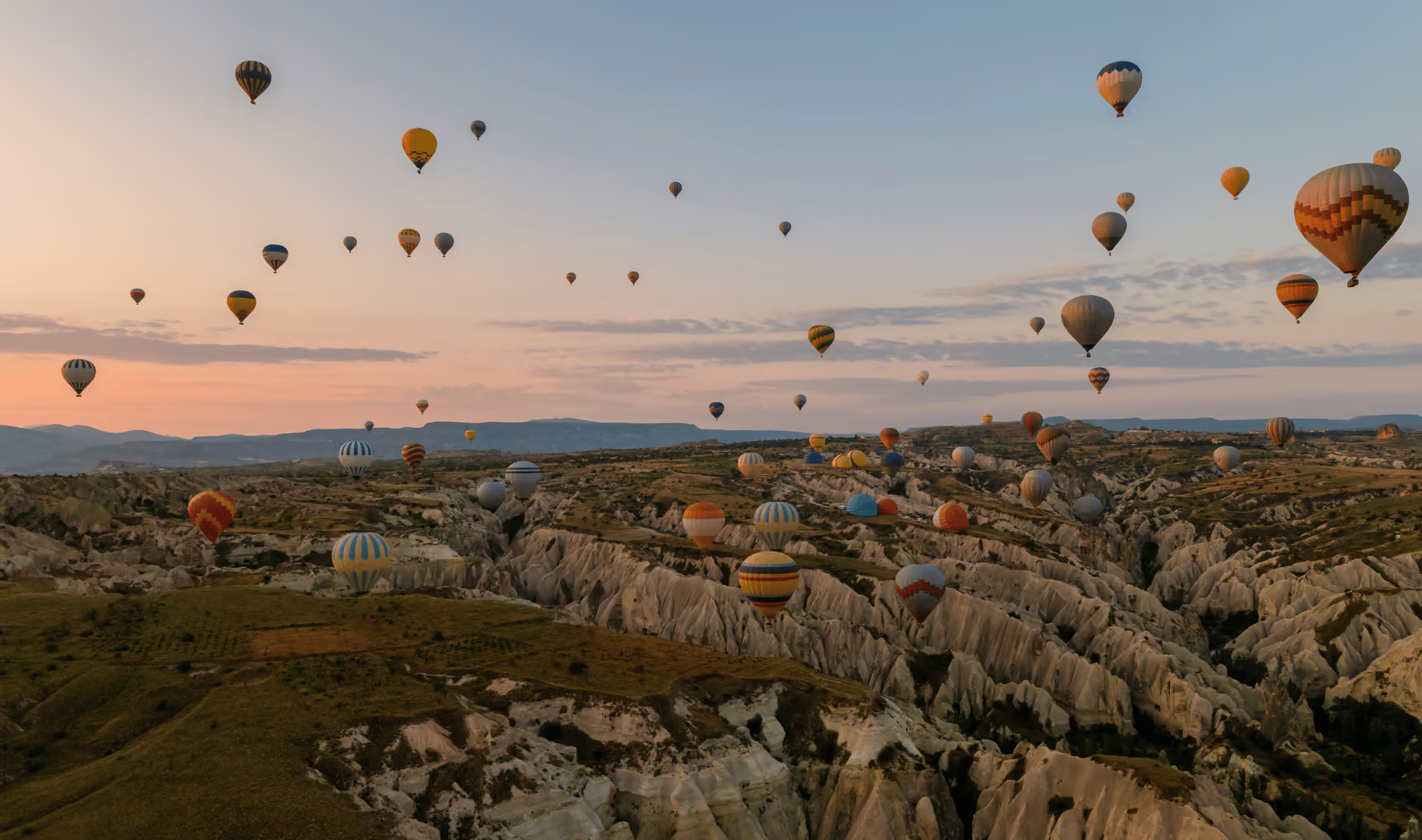
A client who has seen Hagia Sophia, Ephesus, Pamukkale and Cappadocia has not seen Türkiye. They have seen the four places every operator sells. This route is built from what is left, and what is left happens to be the best of the coast: four ancient cities standing in pine woods and sea water rather than behind ticket barriers, a Lycian necropolis above a river delta, the bishop's church at Demre, and a stone village on a hillside that has been empty for a century.
The season is the second decision. This programme is designed for October to May. The same coast in July is 38 degrees and full; in late October the sea is still warm, the sites are empty and a guide can stand a group inside a tomb chamber without queueing. For operators who need shoulder-season product, this is a route that is better out of season rather than merely cheaper.
It also ends well. Flying Antalya to Istanbul puts the last night back in the city, so clients who want to shop and eat properly can do it when they have the energy for it. The ten-day version ends in Antalya instead, which suits clients continuing somewhere else.
4 — Kaunos, Myra, Phaselis, and the sunken city at Kekova
Coastline
approx. 600 km of it driven, Bodrum to Antalya
By road
approx. 1,500 km, plus the return flight
Season
October to May
UNESCO World Heritage Site
1 — Bursa and Cumalıkızık
Itinerary
Day 1 | Istanbul — arrival
Your group is met at the airport and transferred to the hotel, with the evening free. Clients who have been to Istanbul before usually want the first night to themselves rather than a programme, and this one gives it to them.
Day 2 | Istanbul — Fener, Balat and the Golden Horn
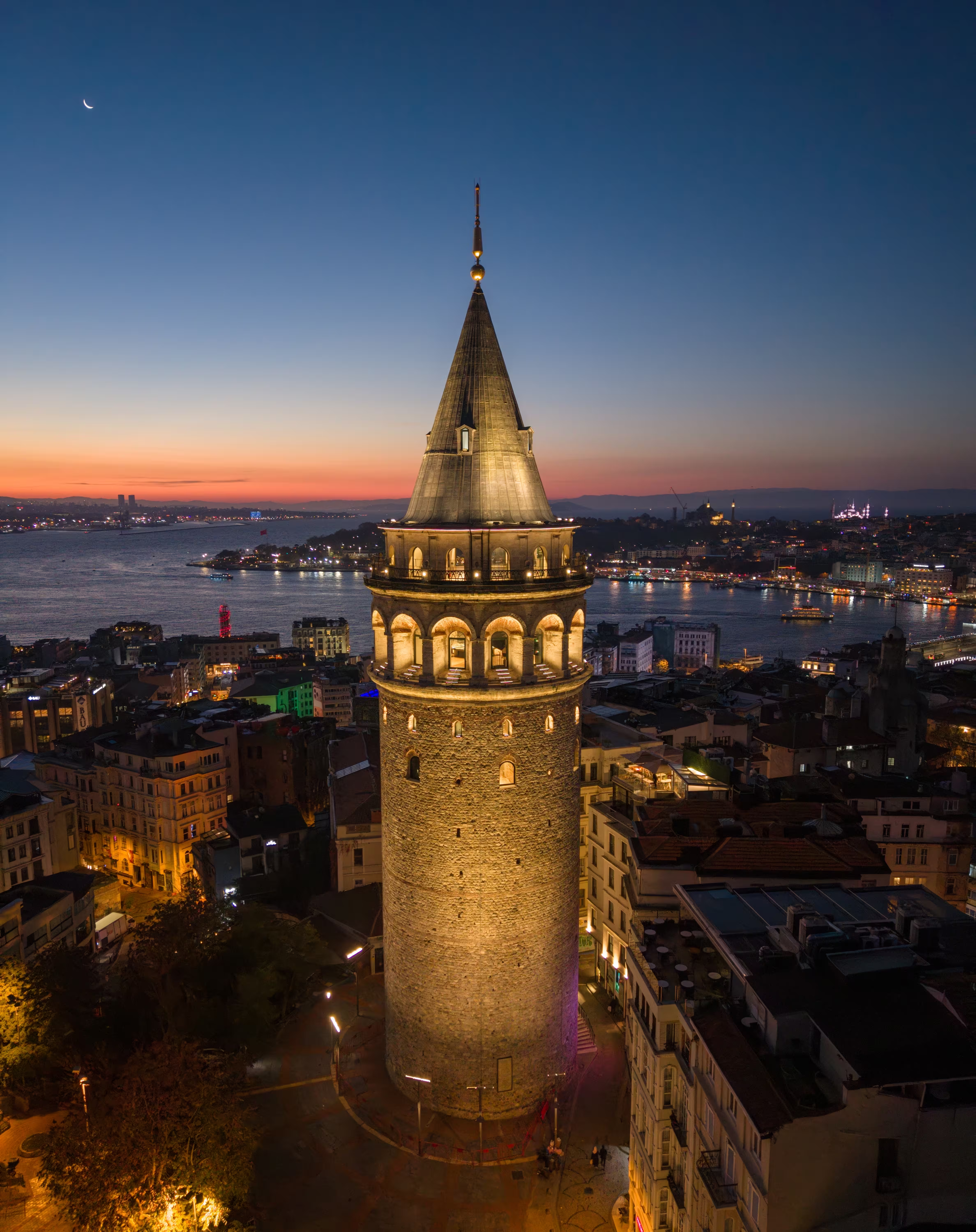
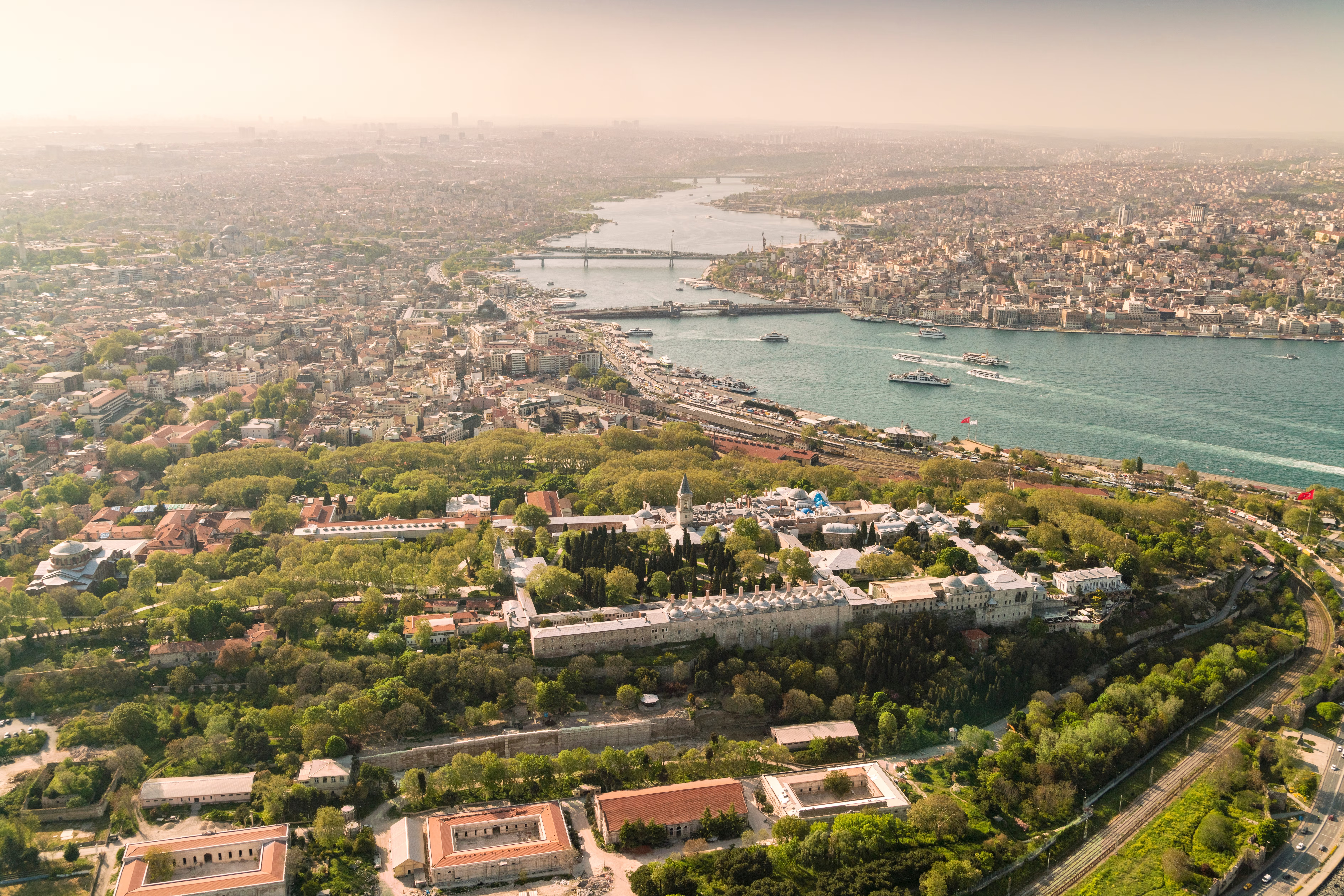
The morning goes up the Golden Horn to Fener and Balat, two quarters that were Greek and Jewish before they were anything else and have been restored without being emptied. The Ecumenical Patriarchate is here, still the seat of the senior bishop of the Orthodox world, and your guide can usually arrange for the group to go in. Then down to the waterfront at Galataport. The afternoon is open; Topkapı and the Spice Bazaar are there for anyone who missed them the first time.
Day 3 | Istanbul to İzmir — Bursa on the way
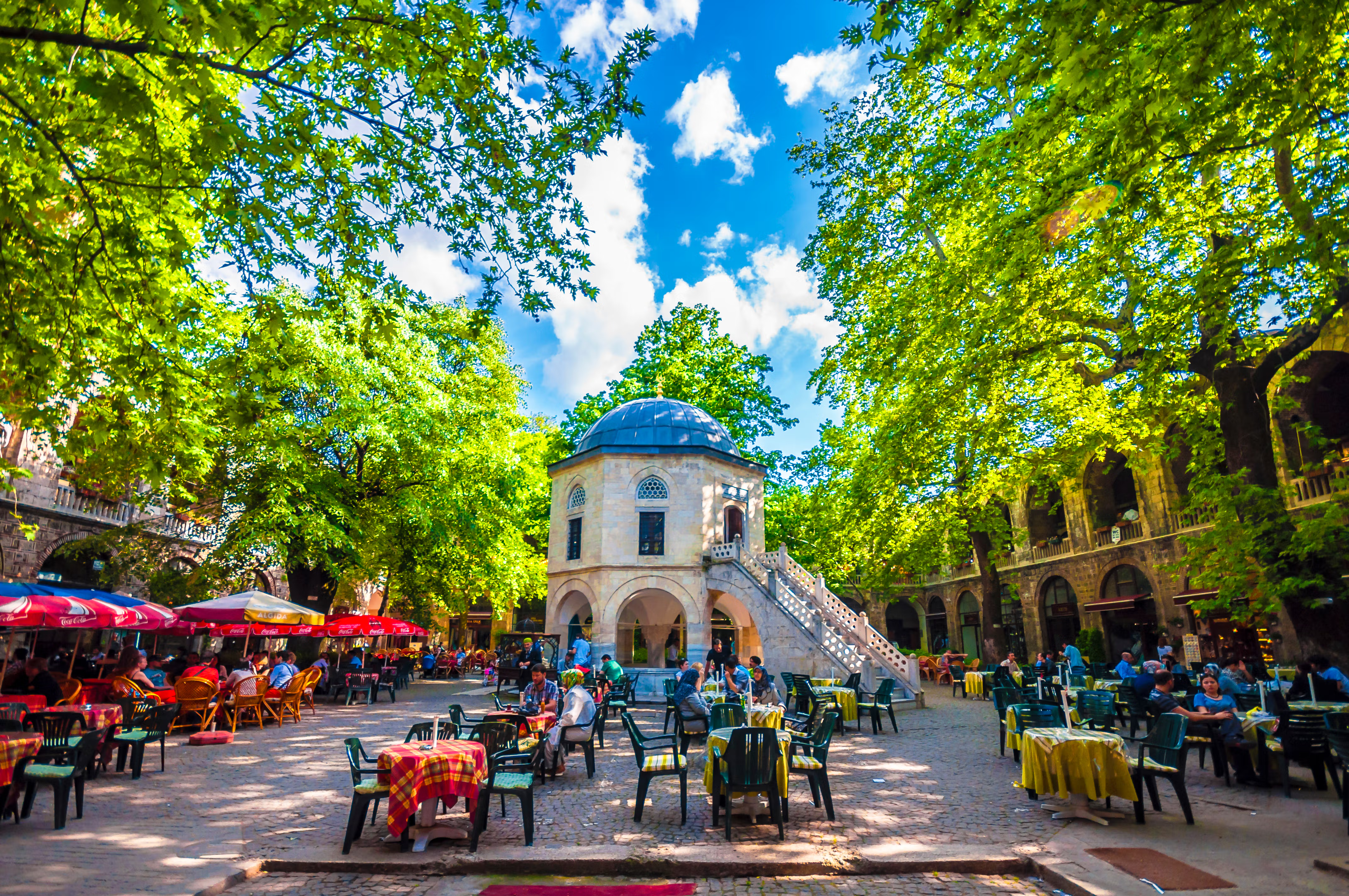
South around the Marmara to Bursa, the first Ottoman capital, where the Grand Mosque holds a fountain inside the prayer hall and some of the finest early Ottoman calligraphy anywhere. Then Koza Han, the silk caravanserai, where the cocoon trade was run for five hundred years and silk is still sold in the courtyard. The afternoon is the drive down to İzmir.
Day 4 | İzmir — a day on the Aegean
A day that stays put. İzmir is a working Aegean city rather than a monument, and the Kordon in the evening is the point of it. In the afternoon most groups go out to Urla, now the centre of serious Türkiye winemaking, to walk the vineyards and taste through what the volcanic soil and the sea wind produce. Dinner on the Kordon is fish and meze, chosen at the counter.
Day 5 | İzmir to Bodrum — Şirince and a village kitchen
Up into the hills above Selçuk to Şirince, a village the Greeks built and left, where the houses are now lived in again. The morning is a weaving workshop — silk on cotton, the knots counted, the dyes explained. Then a cooking class in a village kitchen, built around whatever the market had that morning, and you eat what you made. The afternoon runs down the coast to Bodrum.
Day 6 | Bodrum to Fethiye — Kaunos across the delta
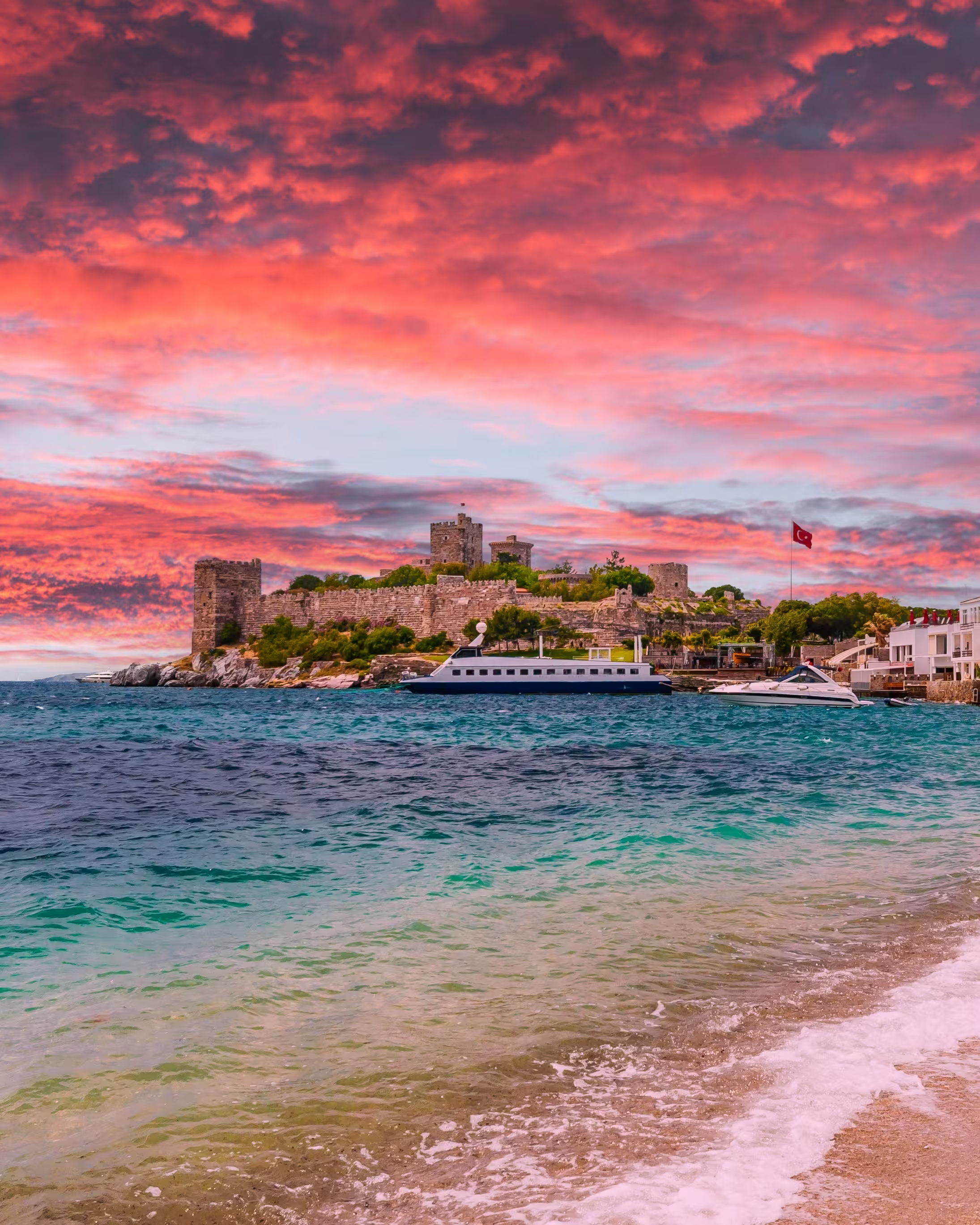
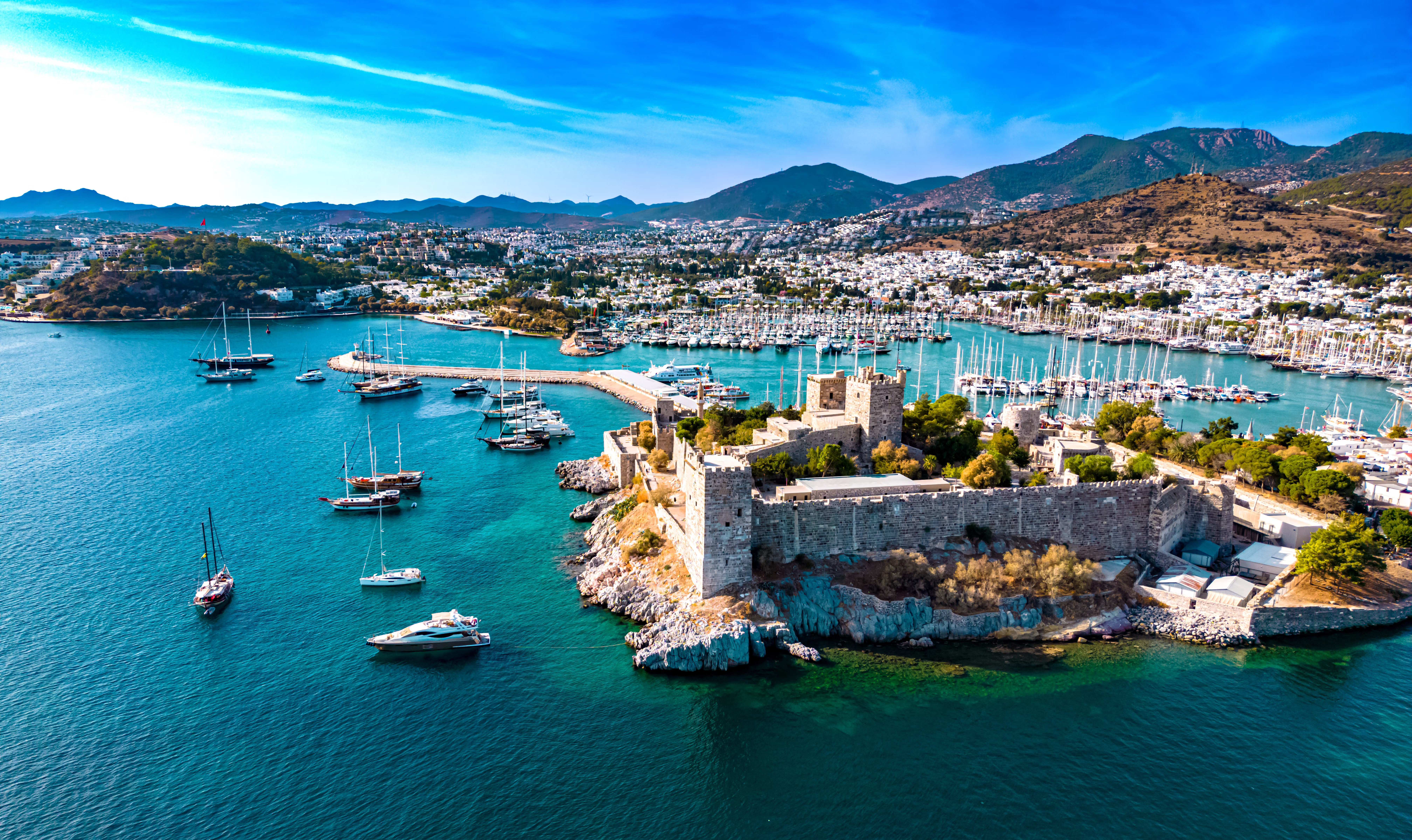
The morning is Bodrum on foot: the harbour, the castle the Knights of St John built from the stones of the Mausoleum, and the streets behind it. Then east to Kaunos, reached across the Dalyan delta through reed channels, with the Lycian rock tombs cut into the cliff above the water and visible the whole way in. Kaunos itself is a Carian port city that silted up and was abandoned, so the harbour is now a marsh with a theatre above it. Overnight Fethiye.
Day 7 | Fethiye to Kaş — the fish market and Kayaköy
Fethiye's fish market works on a simple arrangement: you buy the fish at one of the stalls in the middle and carry it to one of the restaurants around the edge, which cooks it for a small charge. Then up the hill to Kayaköy. Several hundred stone houses and two churches stand roofless on the slope, emptied in the 1923 population exchange and never resettled. It is quiet in a way that stops conversation. Then the coast road to Kaş for two nights.
Day 8 | Kaş — Myra, Demre and Kekova
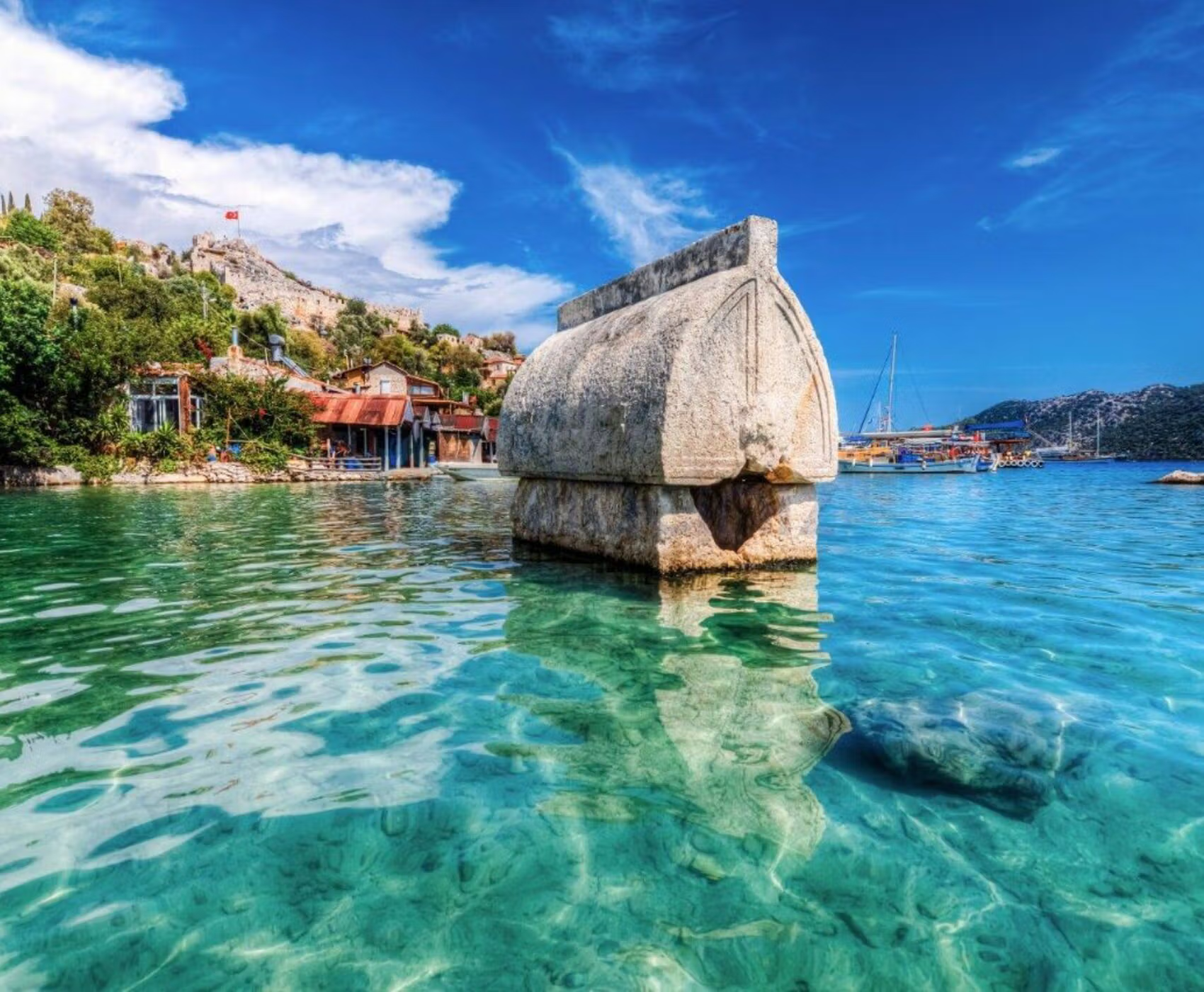
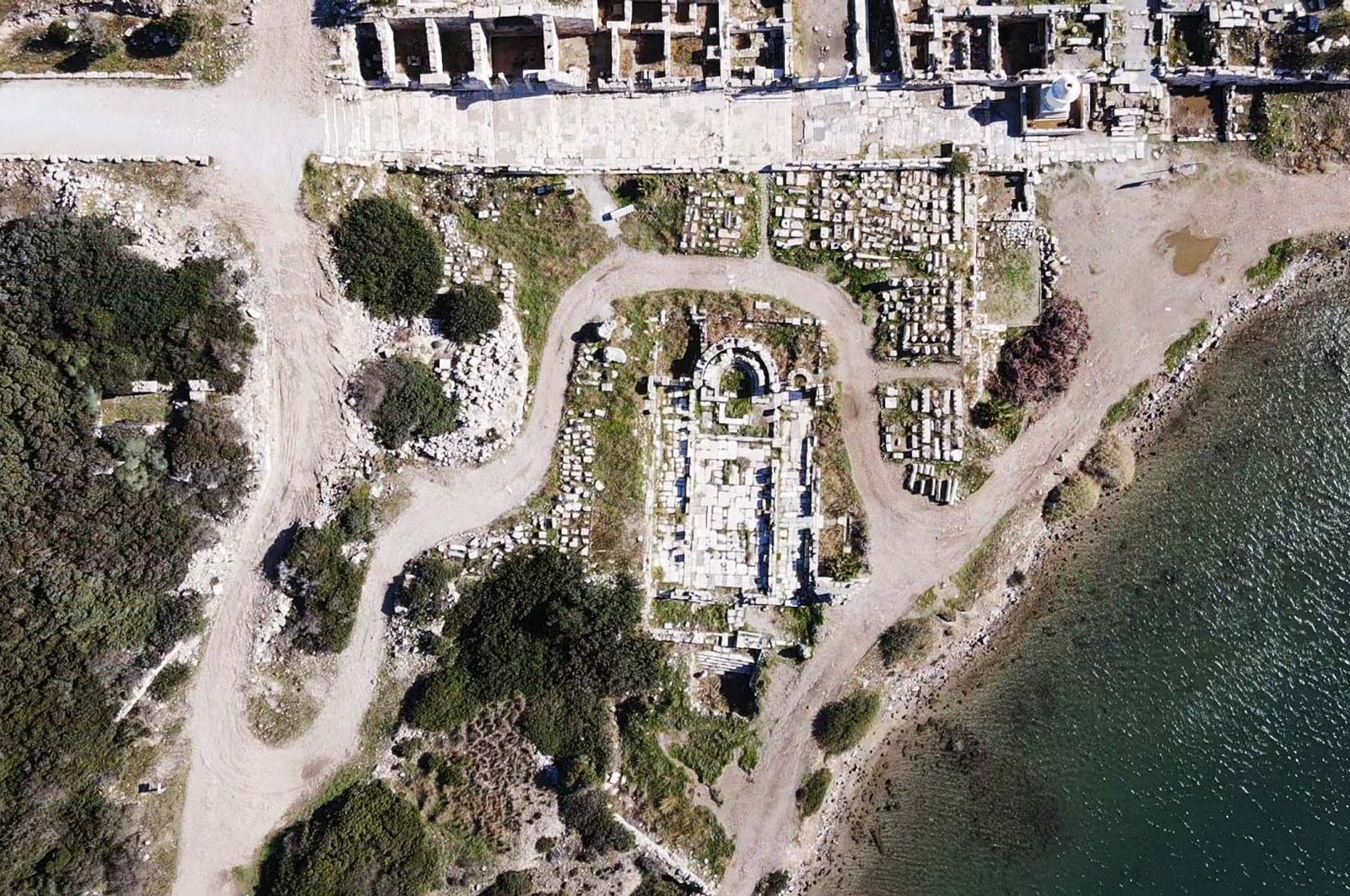
East to Demre for Myra: rock tombs cut into the cliff like house fronts, a second-century theatre with carved masks still on the blocks, and the church built over the tomb of Saint Nicholas, bishop of Myra in the fourth century, before he became Santa Claus. In the afternoon a boat out of Üçağız over the sunken city at Kekova, where an earthquake dropped a Lycian settlement into the water and the staircases and foundations are visible under the hull, then up to the castle at Kaleköy, which has a Lycian necropolis standing in the shallows below it.
Day 9 | Kaş to Antalya — Phaselis
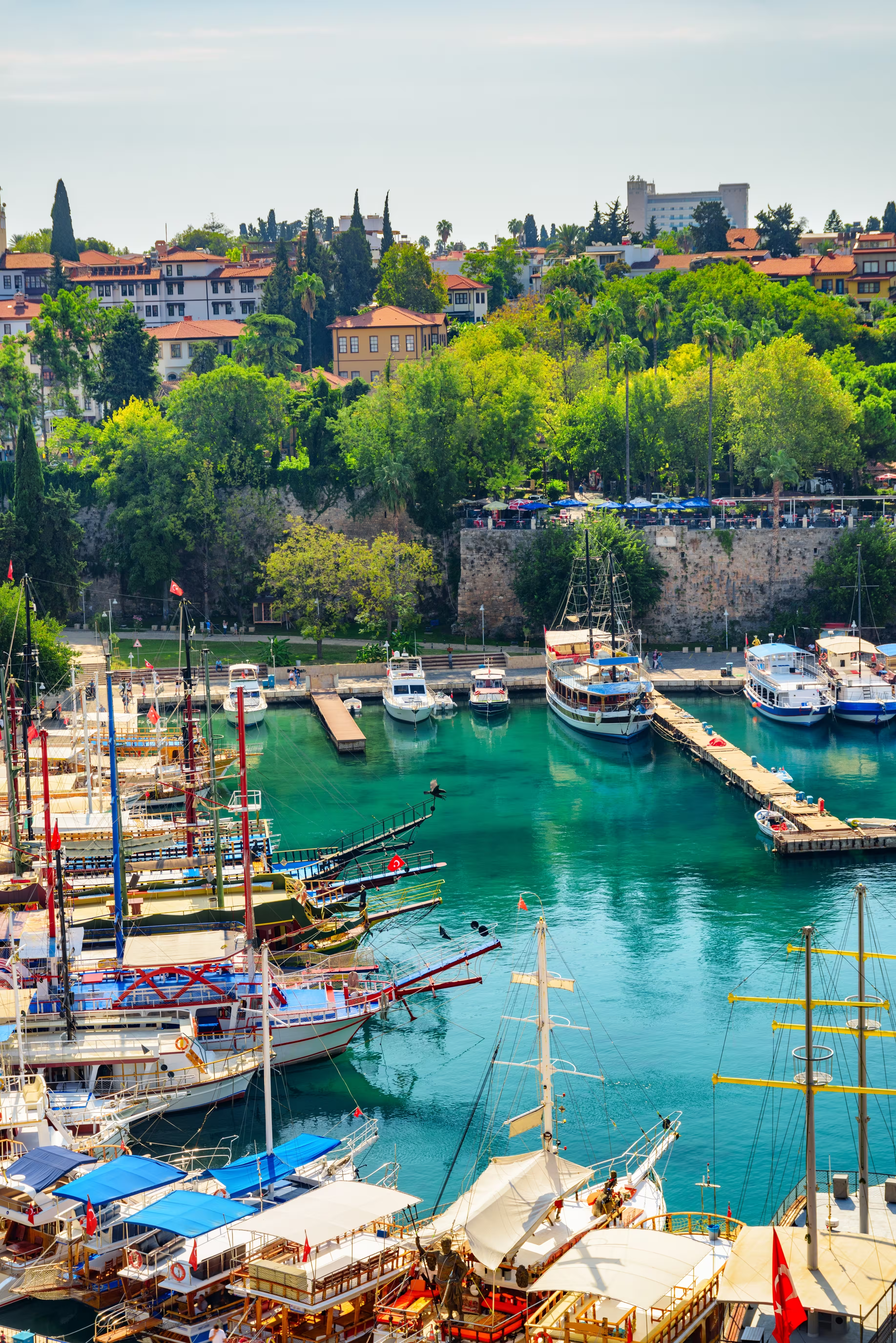
The coast road climbs and drops all morning with the sea on the right. Phaselis is three Roman harbours in a pine wood, with the main street running from one bay to the next and the aqueduct still standing over the sand. It was never buried, so there is almost nothing excavated — you walk it rather than view it. Then Antalya, and Kaleiçi, the walled old town, in the evening.
Day 10 | Antalya to Istanbul
The morning flight north, and the rest of the day in Istanbul. Most groups take the Bosphorus in the afternoon: an hour and a half on the water past the palaces, the wooden yalıs and the two fortresses, which is the right way to finish a coastal programme. Farewell dinner in the evening.
Because it is built for clients who have already been. Every stop here is somewhere the classic Türkiye circuit misses, which is the whole argument of the route: the Istanbul day is Fener and Balat, not Sultanahmet; the Aegean day is a village kitchen, not Ephesus. Şirince is twelve kilometres from the site, so if a client does want it we add half a day and nothing else changes. For first-time visitors we would recommend a different programme.
Istanbul to İzmir on day three, with Bursa in the middle, is the one long transfer at roughly 450 km. After that the daily legs are short — the Bodrum to Fethiye and Kaş to Antalya stretches are each under 300 km and both are coast road, which is slow but is the scenery rather than the cost of getting to it. Nothing after day five involves more than about four hours of driving.
Less than a classic circuit, but on rougher ground. Kaunos has a climb to the acropolis which is optional, Myra and Phaselis are uneven and partly unexcavated, and Kayaköy is a cobbled hillside with no handrails. Bodrum, Fethiye and Kaleıçi are flat. The boat days involve stepping on and off a gulet. We send a walking grade with every quotation and can route the slower half of a group around the climbs at Kaunos and Kaleköy.
The sea is still swimmable through October and again from late April, the sites are empty, the light is better for photographs and the coast road is not full of traffic. July and August on this coastline run to 38 degrees and the small towns are at capacity, which is the opposite of what this programme is for. December to February are mild on the coast but short on daylight, so we tighten the driving days.
Any size, and there is no minimum. The route works for two people travelling independently as readily as for a full coach; what changes is the vehicle and the per-person price. The boat days are the one place size matters, since a private gulet for twelve is a different experience from a shared boat for forty, and we will price both.
The Kekova boat runs in most conditions because the route is inside sheltered water, but it can be cancelled in a strong southerly. The Dalyan delta crossing is a river and runs in almost anything. If Kekova is called off, the afternoon goes to Patara and the beach instead, which is a fair substitute and needs no rebooking. Captains make the call in the morning.
The coast in its quiet months
Roofless streets at Kayaköy, staircases under the water at Kekova, a village kitchen above Selçuk, and the pines running down to the harbours at Phaselis.
No items found.
More tours by Marveltour
The Grand Tour of Türkiye
14 days · Istanbul · Gallipoli · Troy · Ephesus · Pamukkale · Antalya · Konya · Cappadocia · Ankara