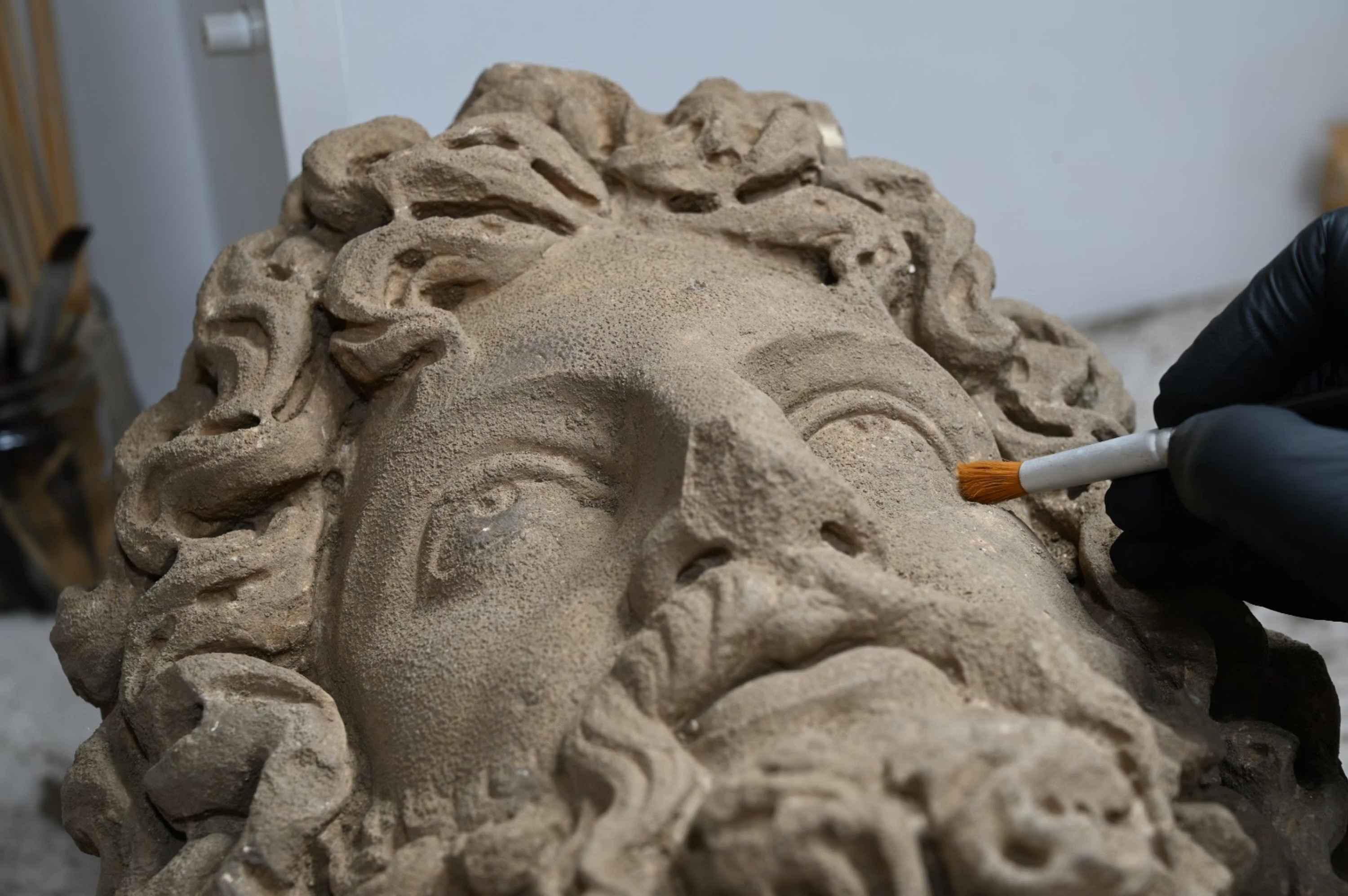
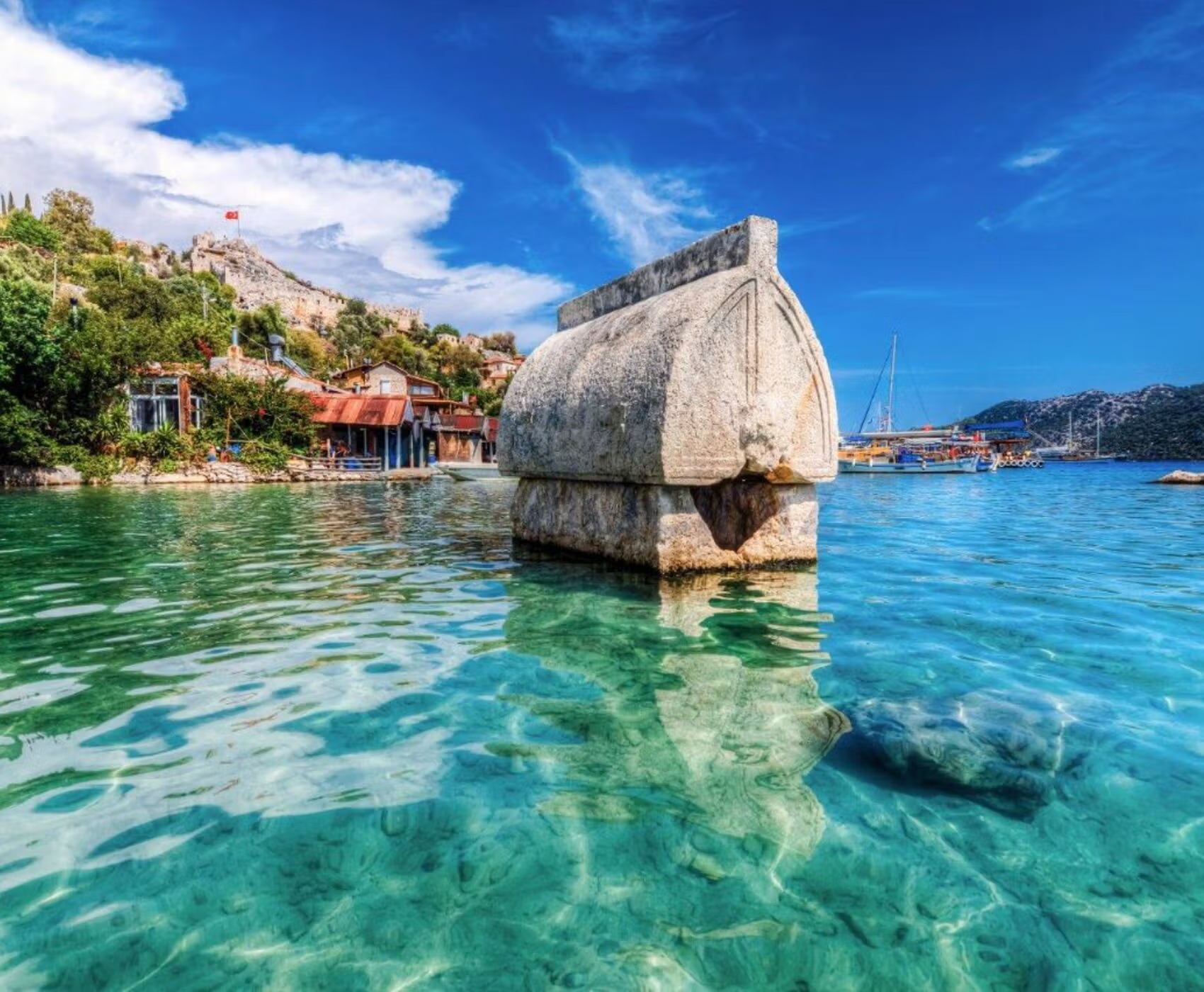
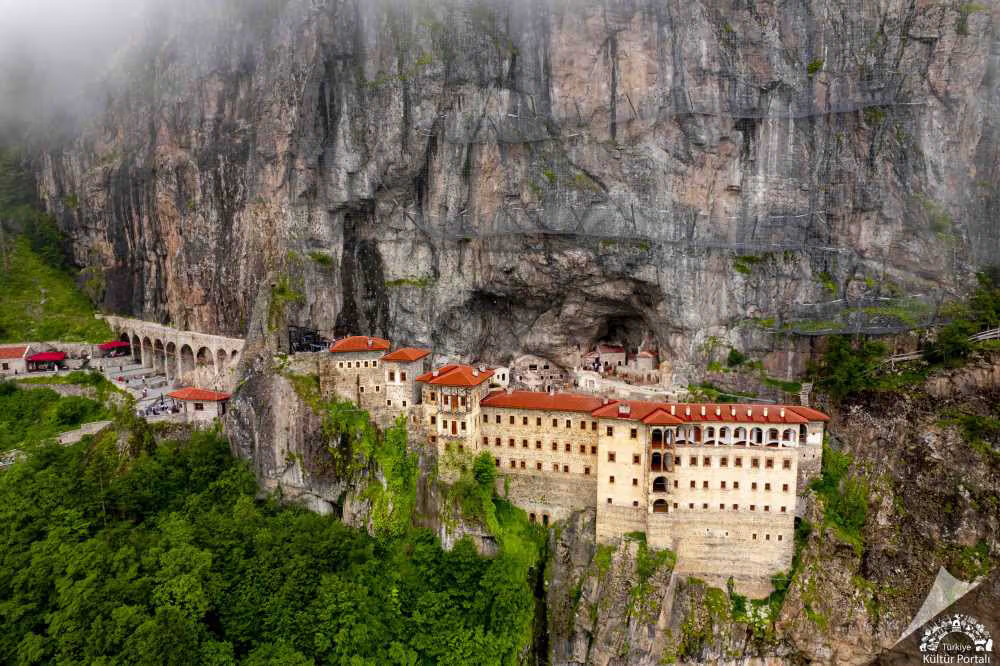
Begin where he began, at St Paul's Well in Tarsus and at the rock-cut grotto in Antioch where the followers of Jesus were first called Christians.
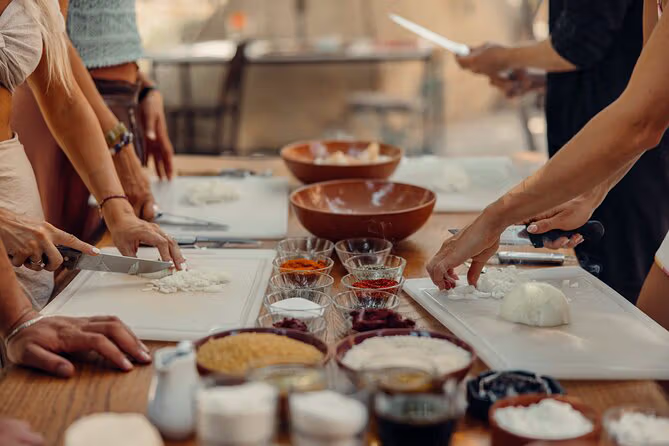
Eat in Antakya, a UNESCO city of gastronomy, where Arab, Armenian and Turkish kitchens have shared the same streets for centuries.
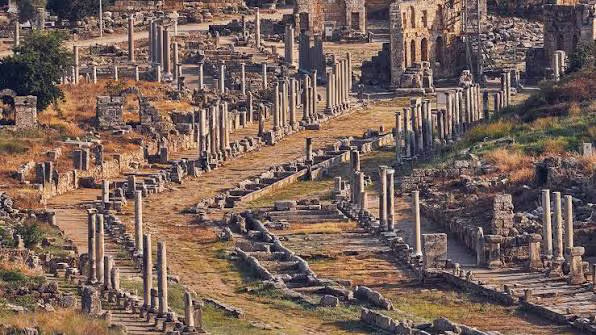
Walk the marble street at Pisidian Antioch, where the first sermon recorded in Acts was given, with the arches of the aqueduct still running along the hill behind.
Stand in the theatre at Ephesus the theatre that filled with a riot against him, then drive up to the House of the Virgin Mary in the pines above Selçuk.
Stand on the shore at Alexandria Troas, where a dream of a man from Macedonia turned Paul west and sent Christianity into Europe.
Why the programme is built this way
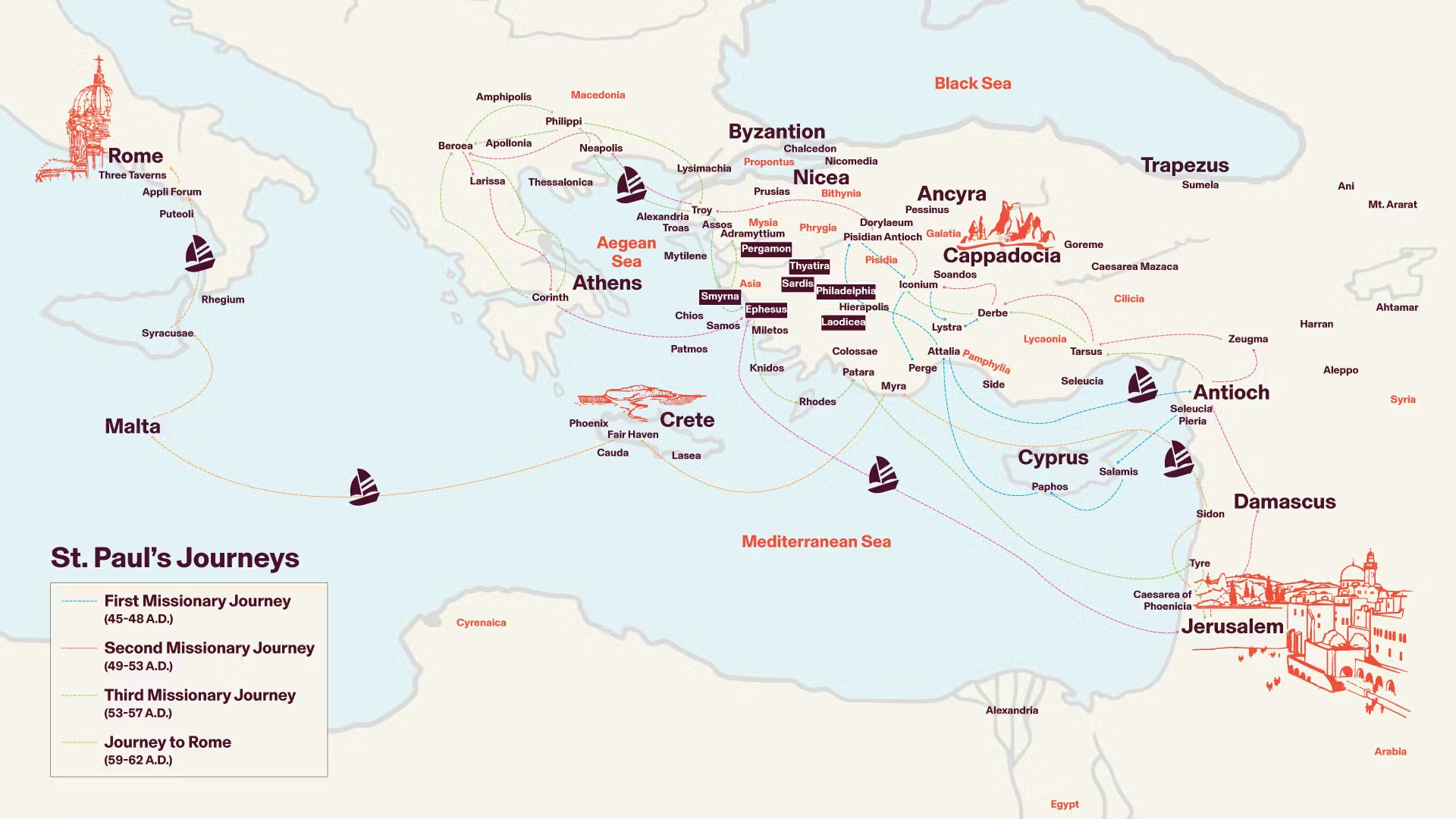
This is the only one of our three faith programmes that starts at the eastern end of the country. Tarsus and Antioch cost a flight and the better part of two days, which is why most itineraries leave them out. They are in here because without them the journey has no beginning: Paul's own account of himself starts with Tarsus, and the name Christian starts in Antioch. From there the route follows his first journey inland, through Cappadocia and Konya to Pisidian Antioch, then down to the Mediterranean ports and up the Aegean coast. It ends at Alexandria Troas and Assos rather than at Ephesus, because that is where the story turns toward Europe and stops being an Anatolian one.
Istanbul 4, Antioch 1, Cappadocia 1, Konya 1, Antalya 2, Pamukkale 1, İzmir 1, Assos 1
Longest driving day
Day 5
Total road distance
Approx. 2,600 km
Best months
April, May, September and October
Walking
Walking is involved throughout the itinerary. Days 4, 8 and 11 have the longest walking routes.
Itinerary
Day 1 | Istanbul — Arrival
Arrive in the city that would eventually make this faith an imperial one, several centuries after the events the next twelve days are about. The group gathers in the evening.
Day 2 | Istanbul to Antioch — the grotto where the name began
An early flight east to Adana, then the road to Antakya, biblical Antioch on the Orontes. Here Barnabas, Paul and Peter all worked, and here the followers of Jesus were first called Christians. St Peter's Grotto is cut straight into the mountainside above the city, small and dark and unmistakably early. The Mosaic Museum holds Roman floors from the first to third centuries, among the finest anywhere.
Day 3 | Antioch to Cappadocia — Tarsus and the road north
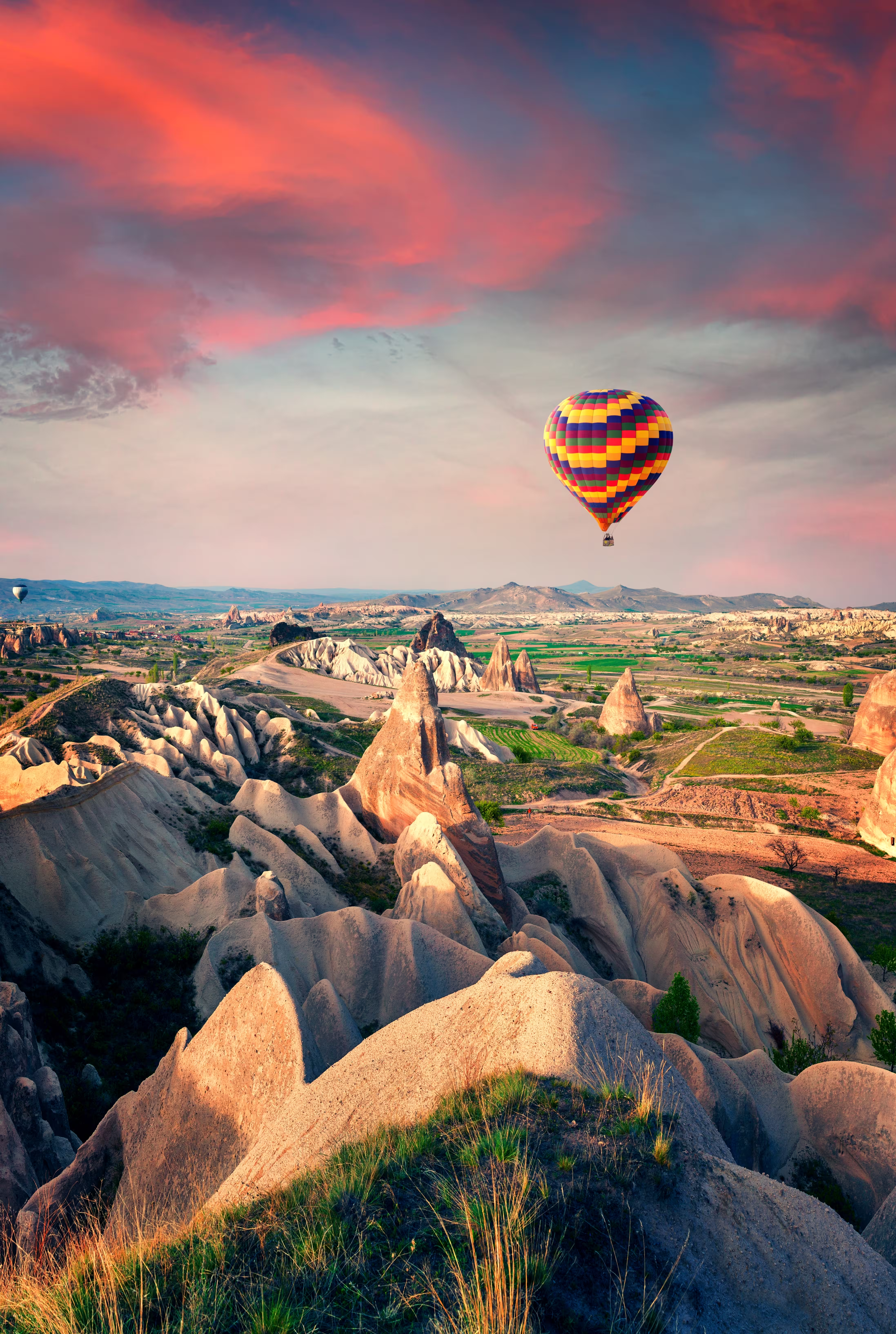
Tarsus in the morning, and St Paul's Well in the Camii Cedid quarter, where his family's house is believed to have stood. He described himself to a Roman commander as a Jew from Tarsus, a citizen of no mean city. From there the road climbs north through the Taurus mountains onto the Anatolian plateau, and by evening the landscape has changed completely: cones, chimneys and cliffs the colour of ash.
Day 4 | Cappadocia to Konya — rock churches and Iconium
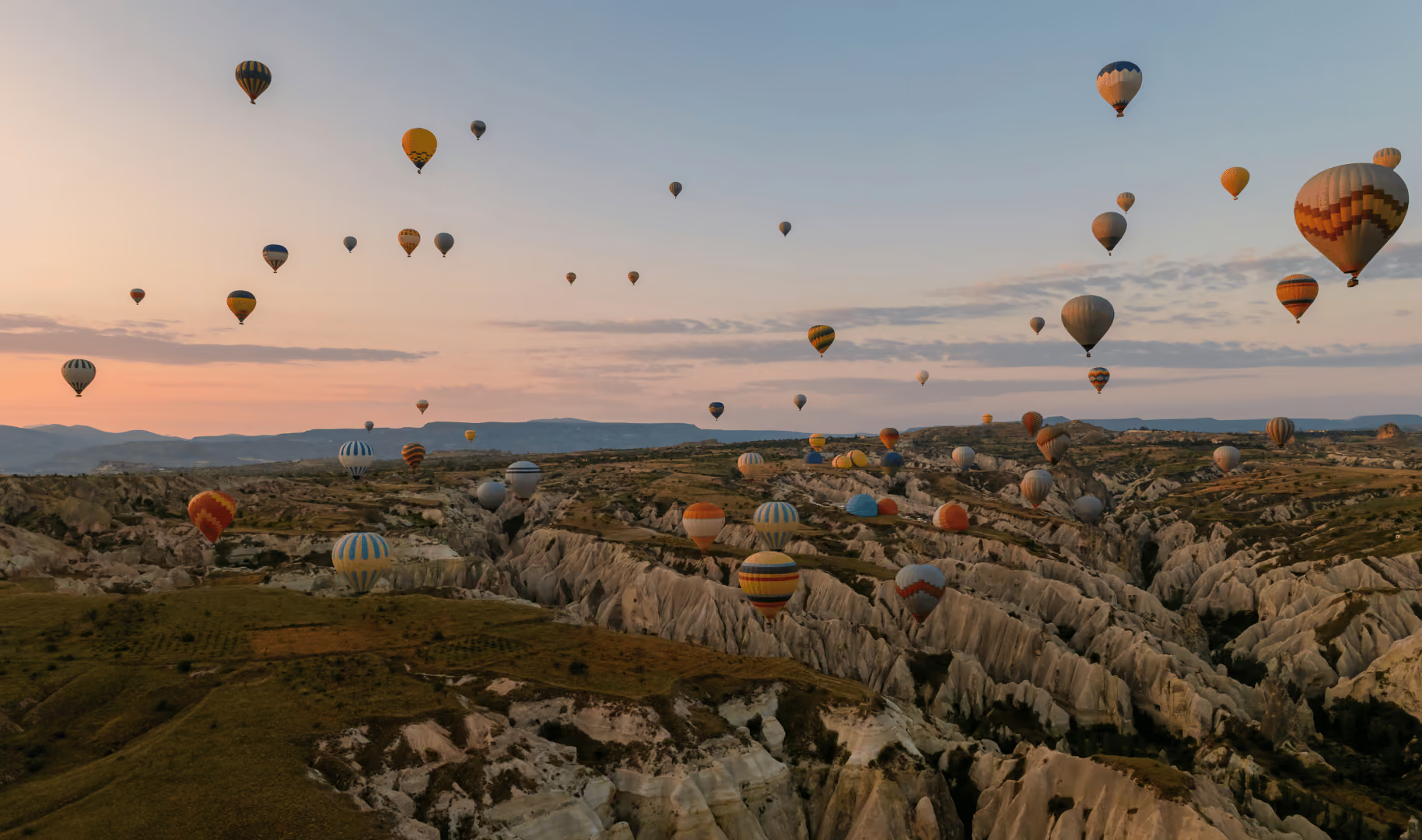
A morning in the Göreme valley, where chapels and monasteries were hollowed out of soft rock and painted with ochre frescoes that have held their colour for a thousand years. Then the canyons ofZelve, honeycombed with dwellings, dovecotes and tunnels. In the afternoon the road runs out onto the plateau to Konya, the Iconium where Paul preached on his first journey.
Day 5 | Konya to Antalya — Pisidian Antioch and the first sermon
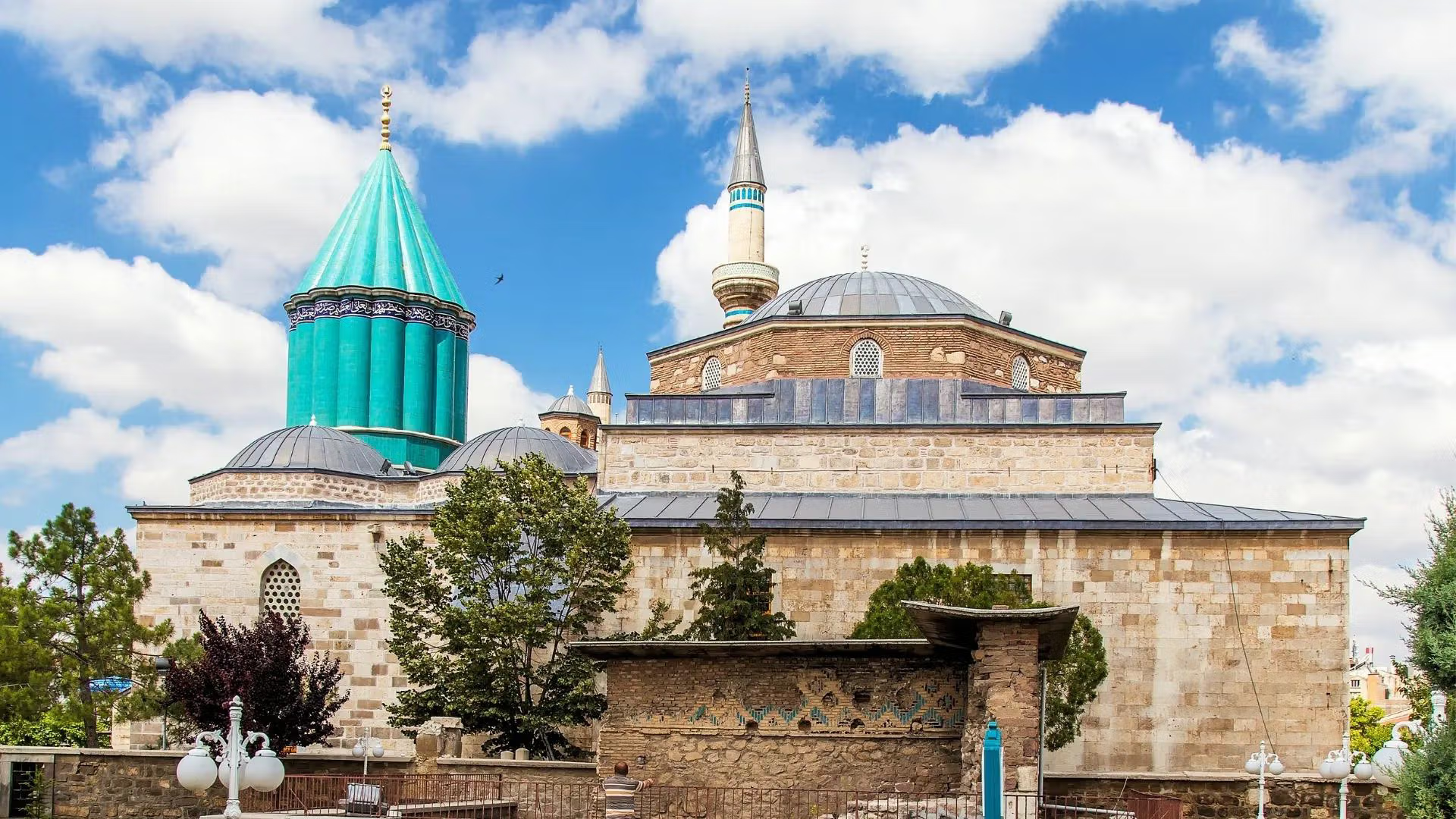
Mevlana's tomb under its fluted turquoise dome opens the day. Then Yalvaç, the Antioch of Pisidia, where Paul was invited to speak in the synagogue on the sabbath and gave the first sermon recorded in Acts. The marble street, the basilica raised over the synagogue, the aqueduct arches and the theatre are all still there. The road then drops to the Mediterranean at Antalya, the Attalia from which Paul sailed home.
Day 6 | Antalya — Perge, Aspendos and the coast
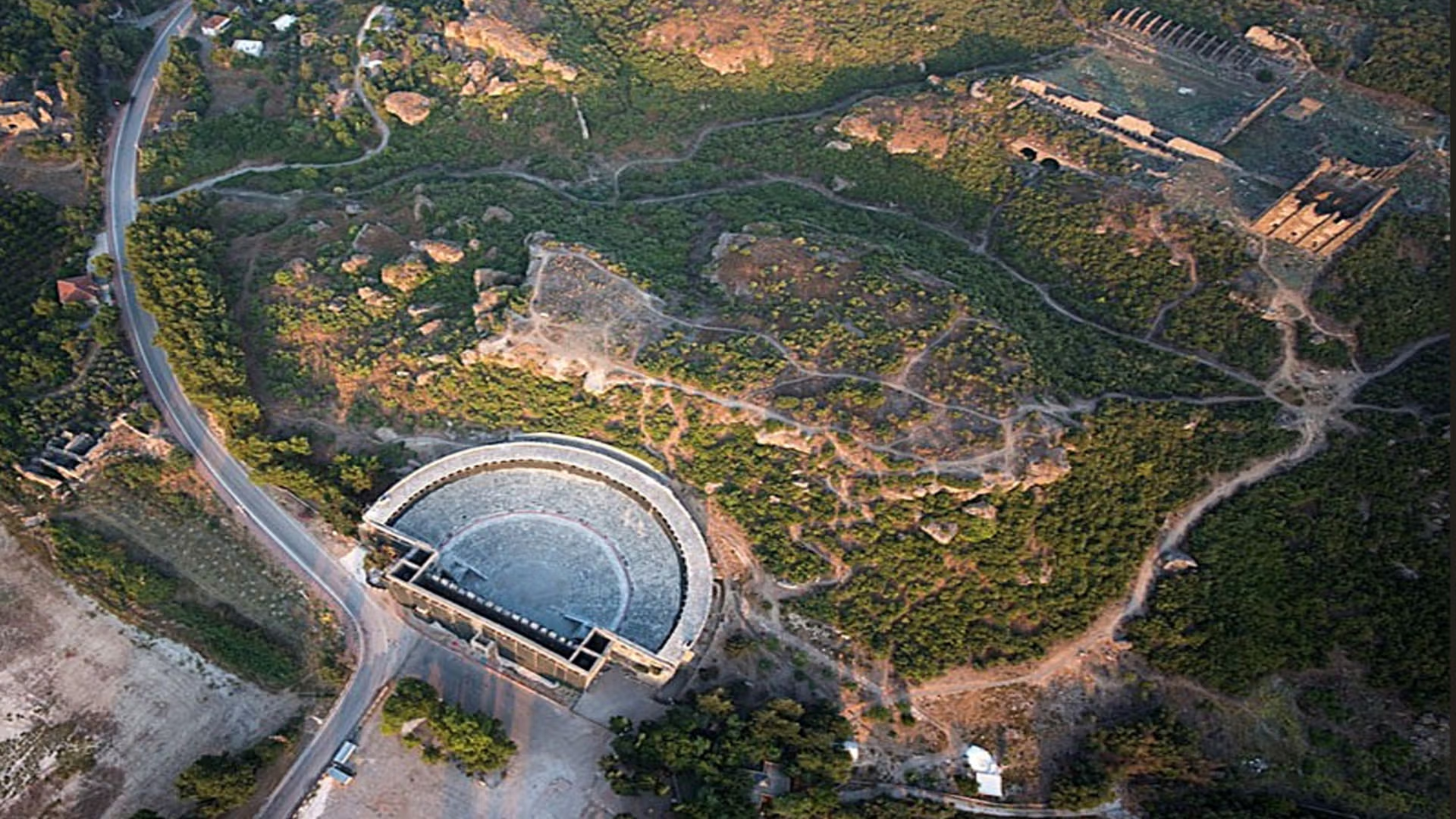
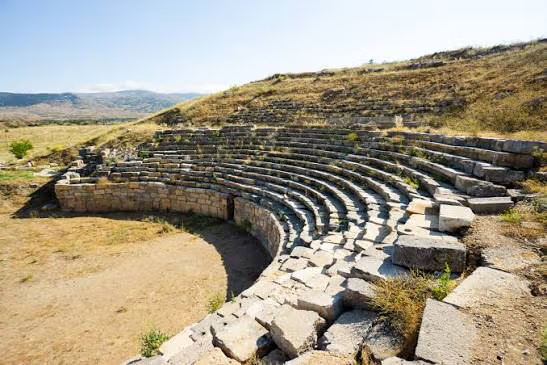
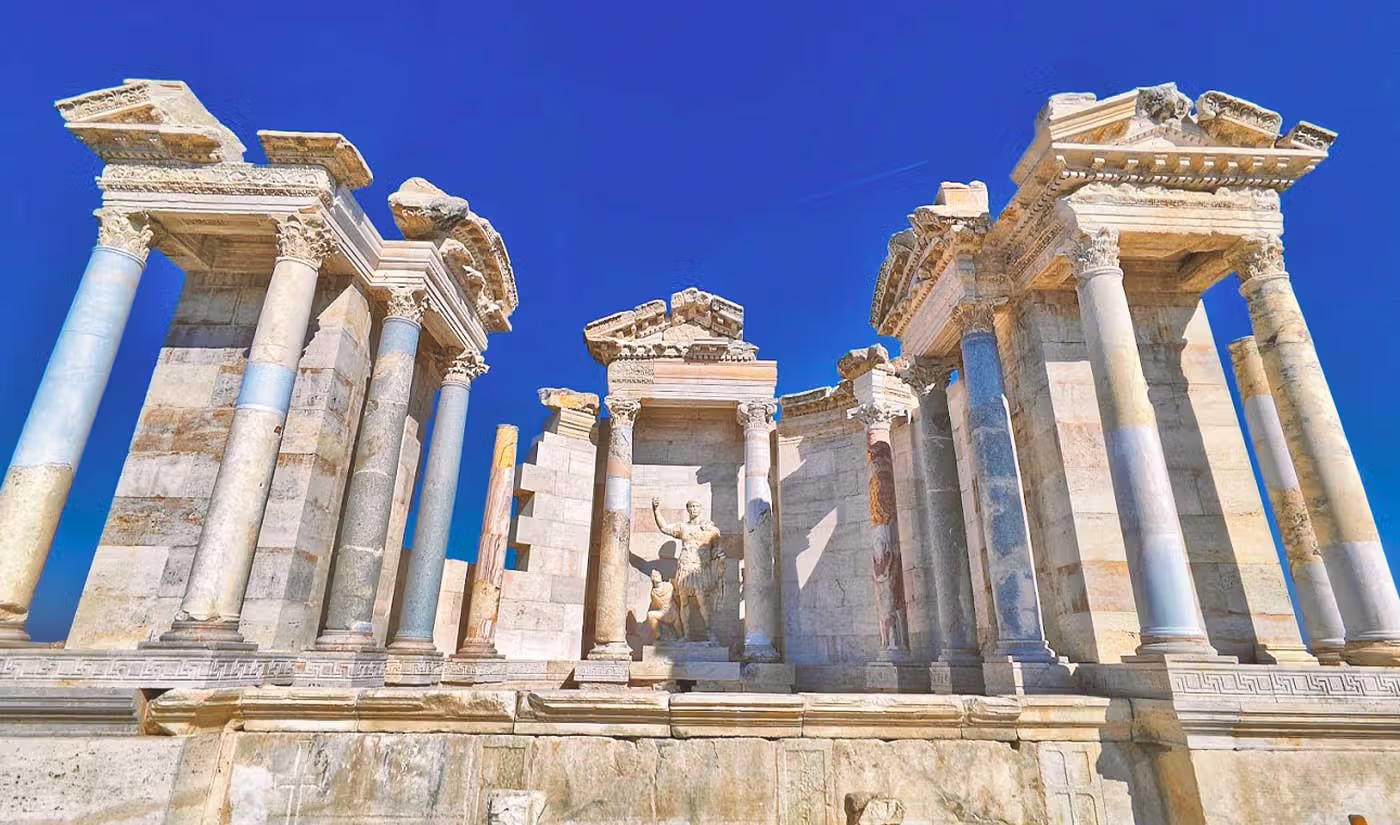
Perge first, where John Mark left Paul and Barnabas and turned back for Jerusalem; the colossal theatre, the stadium and the Hellenistic gates give a clear picture of a first-century city. Aspendos follows, and its Roman theatre is the best preserved in the Mediterranean, still complete enough to be used. The afternoon is the Antalya Museum, which holds relics of St Nicholas, bishop of nearby Myra.
Day 7 | Antalya to Pamukkale — Laodicea and the terraces
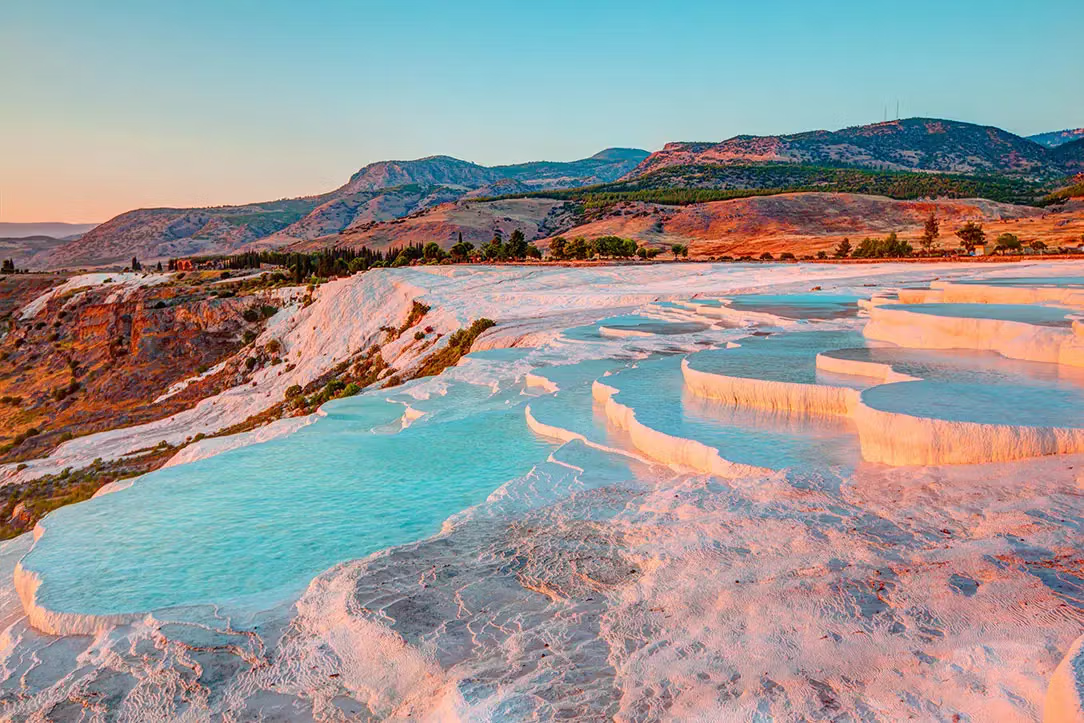
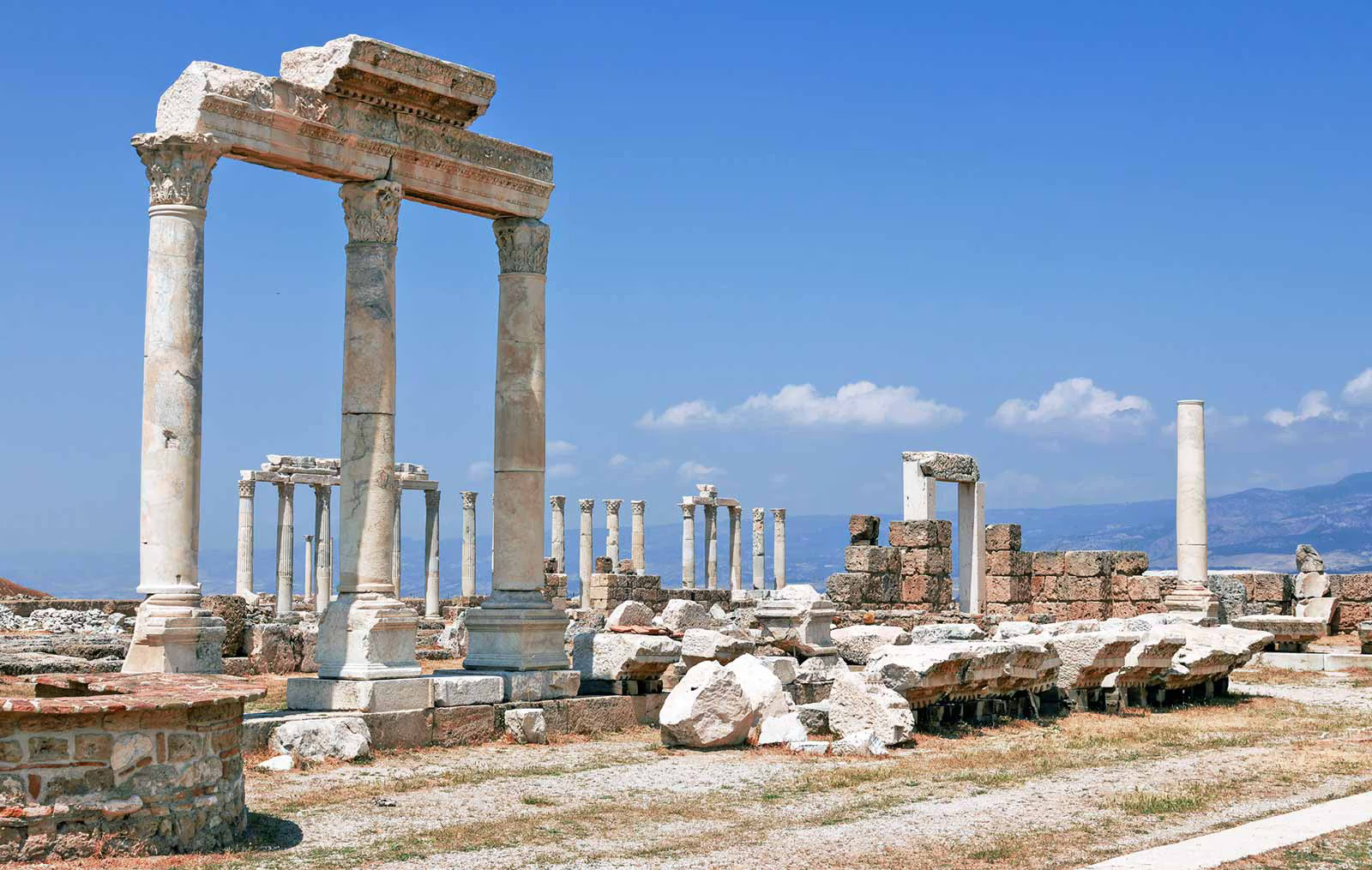
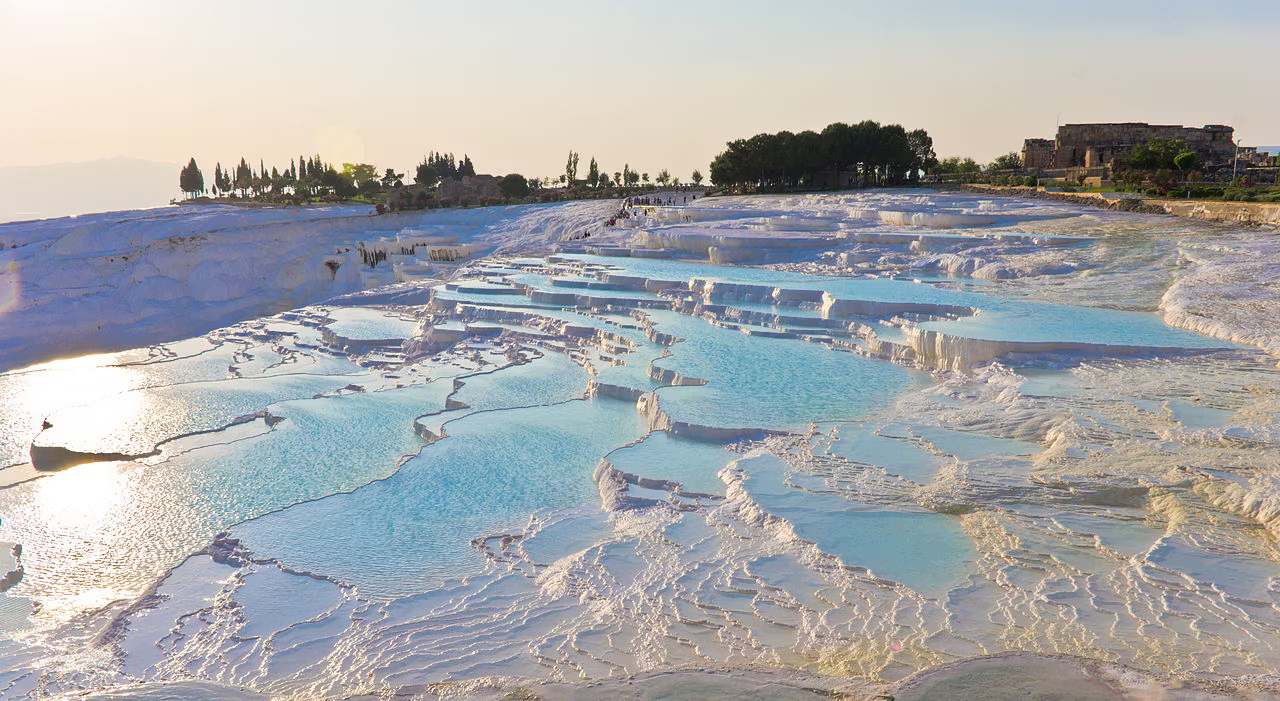
North to Laodicea, the church John called neither cold nor hot, excavated only recently and still coming up out of the ground. Then Pamukkale, where mineral water has been spilling over the cliff for millennia and leaving white terraces behind it. Hierapolis sits directly above, a Roman spa town with a theatre, a temple of Apollo and a necropolis that runs for a kilometre.
Day 8 | Pamukkale to İzmir — Miletus and Ephesus
Miletus was a harbour at the mouth of the Meander, and it is where Paul said goodbye to the elders of Ephesus at the end of his third journey, knowing he would not see them again. The lions that guarded the harbour still lie in the silt. Then Ephesus itself, where he taught for more than two years: the great theatre, the Library of Celsus, Curetes Street, and above the town the Basilica of St John and the House of the Virgin Mary.
Day 9 | İzmir to Assos — Pergamum and Alexandria Troas
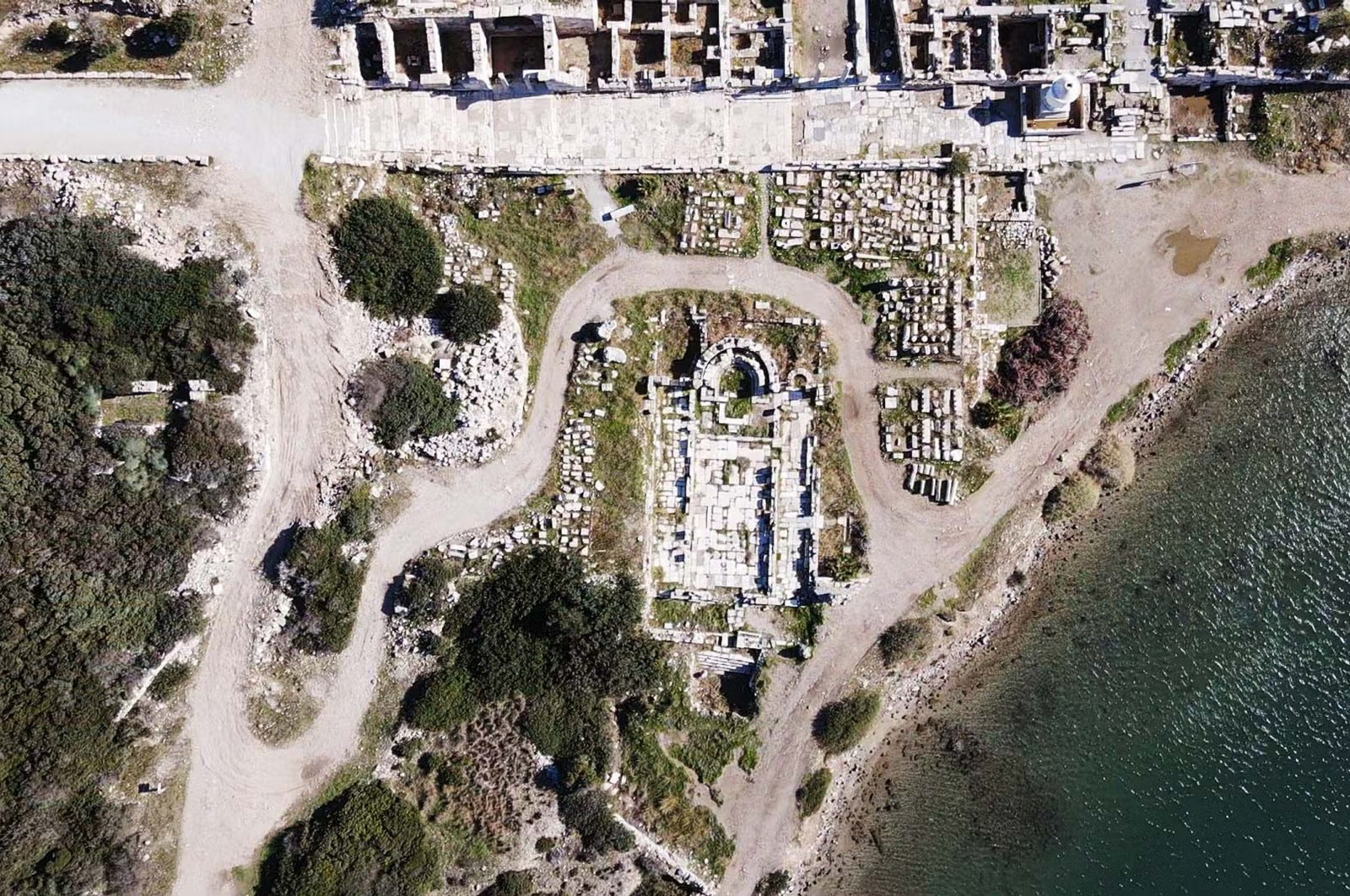
Pergamum in the morning, acropolis and Asklepion, the city John called the throne of Satan for its pagan cults and the city whose library rivalled Alexandria's. Then north to Alexandria Troas, once a major Aegean port. Paul meant to go north into Bithynia and was turned west instead; here he dreamed of a man from Macedonia calling him across the water, and Christianity moved into Europe. The day ends in Assos.
Day 10 | Assos to Istanbul — the Temple of Athena and Troy
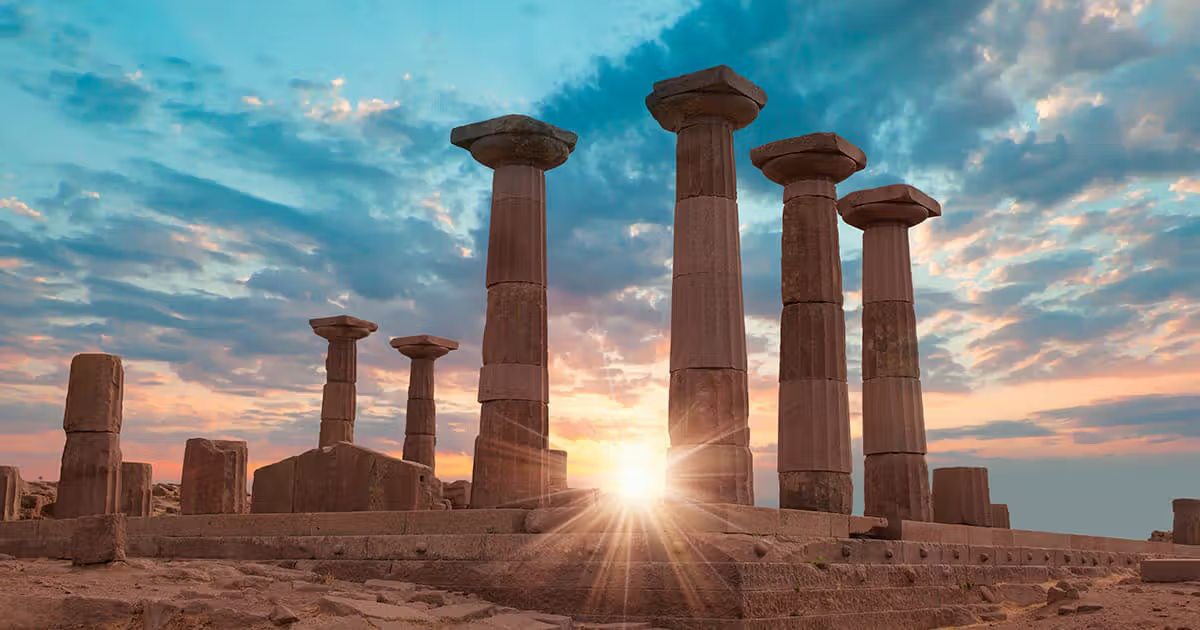
Assos in the morning, its Temple of Athena standing on a headland above the Aegean, with city walls from the time of Hermias and Aristotle. Paul walked here overland while his companions sailed, and met them at the harbour below. From Assos the road runs to Troy, nine cities on one mound, and then crosses the Dardanelles from Asia into Europe on the way to Istanbul.
Day 11 | Istanbul — Hagia Sophia, the Hippodrome and the Grand Bazaar
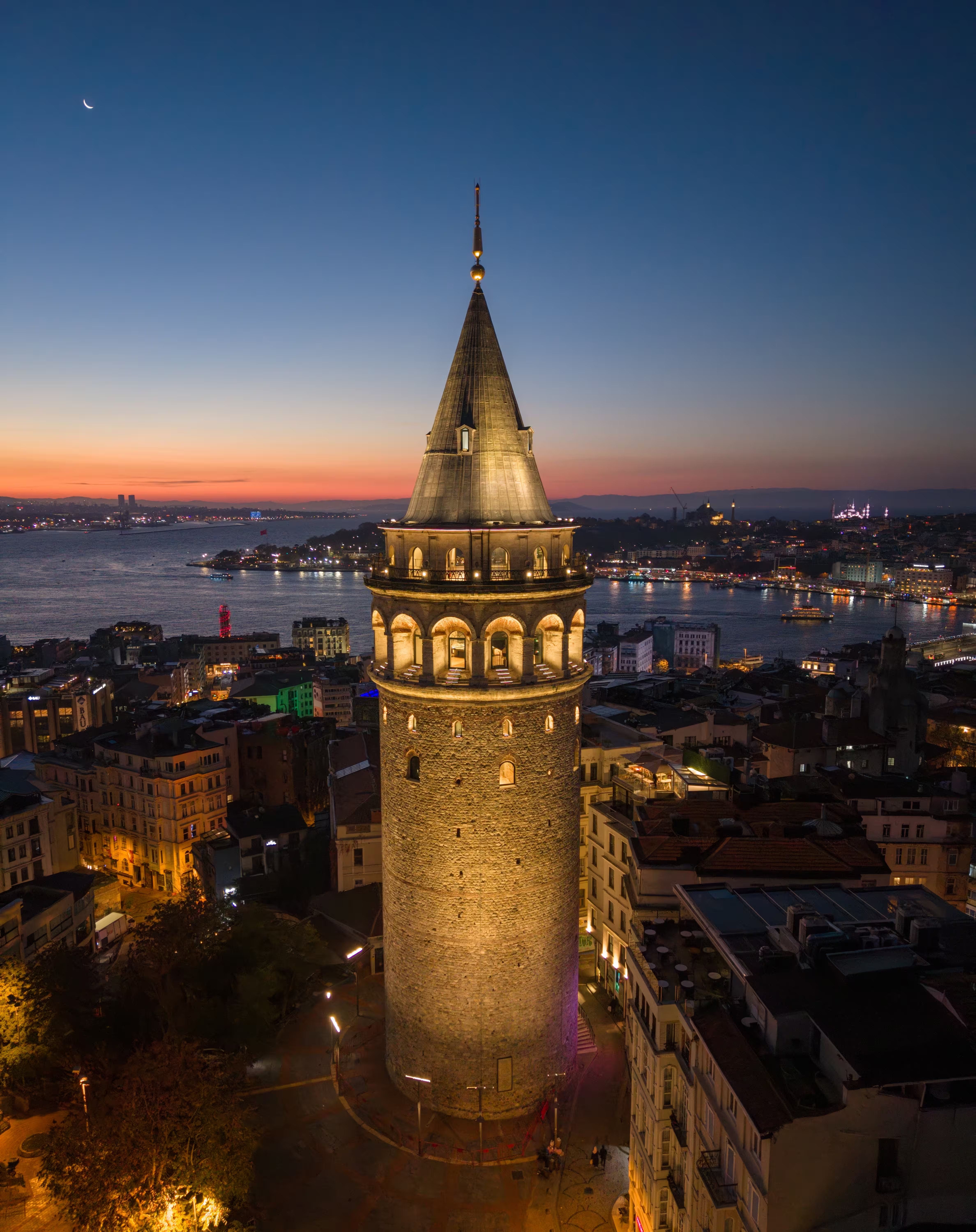
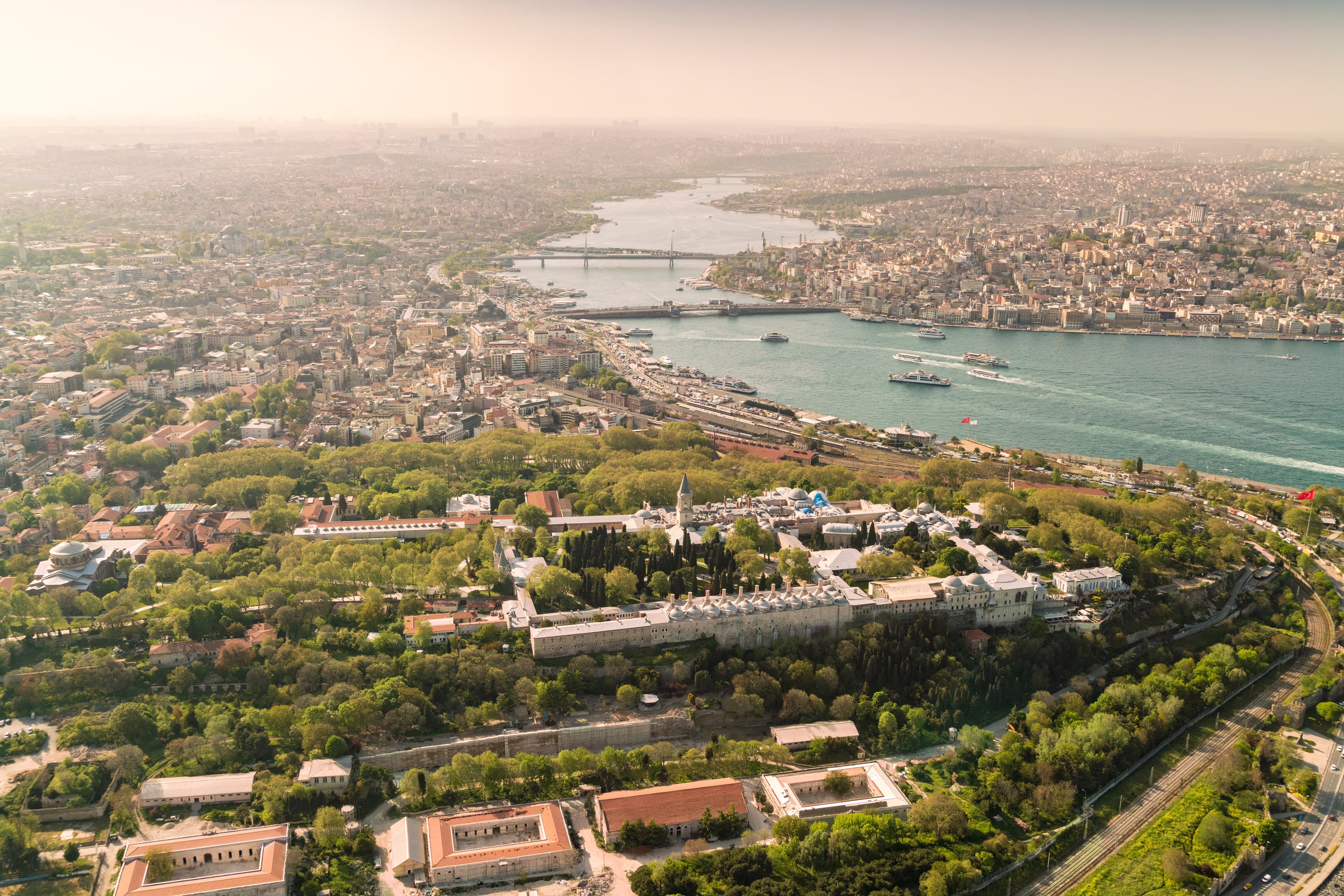
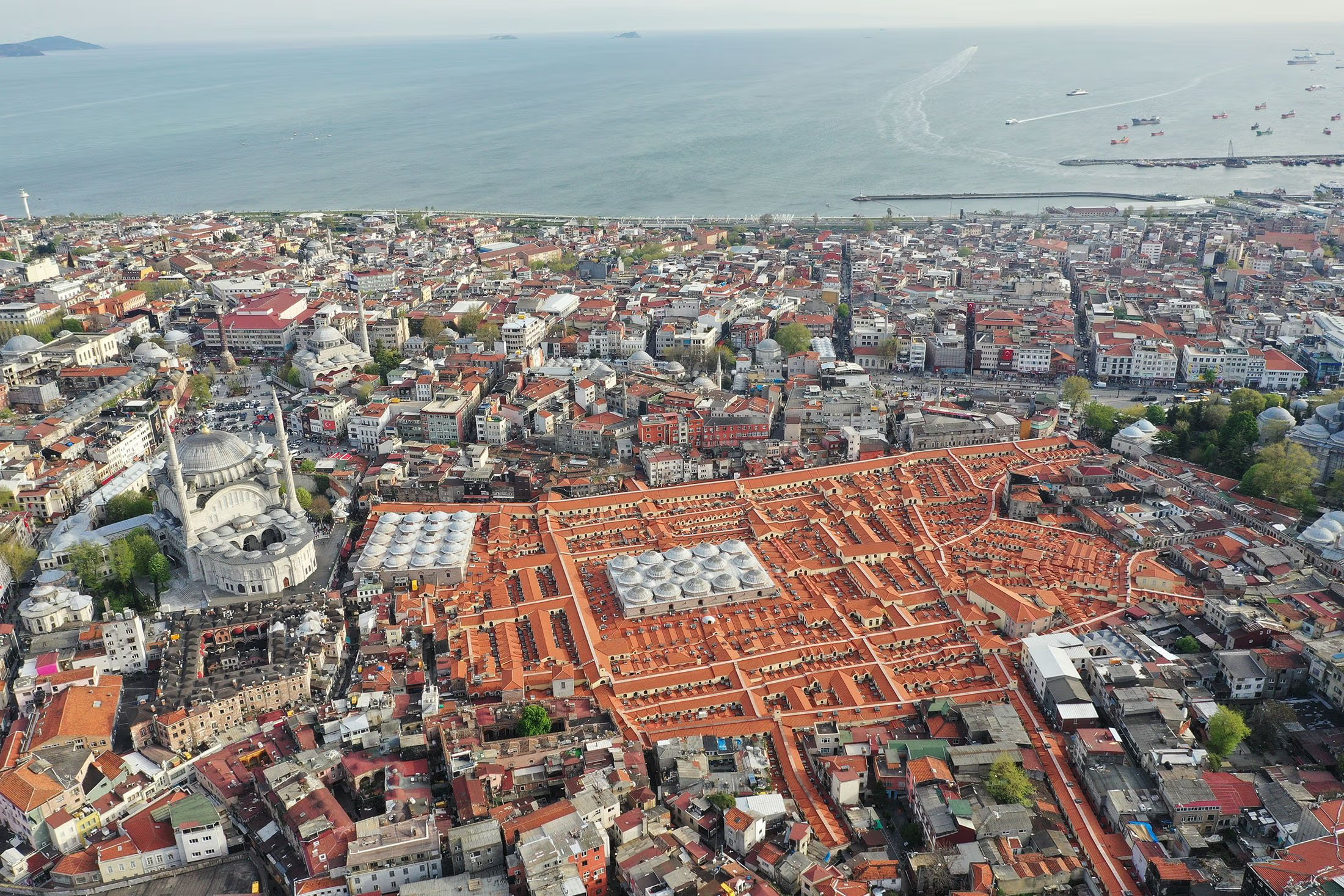
A full day on the historic peninsula. The Blue Mosque, the only one built with six minarets; Hagia Sophia, the great imperial church of the city; the Hippodrome, where the politics of Constantinople were conducted in public. The afternoon is Topkapı Palace and its treasury, and the day finishes in the Grand Bazaar.
Day 12 | Istanbul — the spice market and the Bosphorus
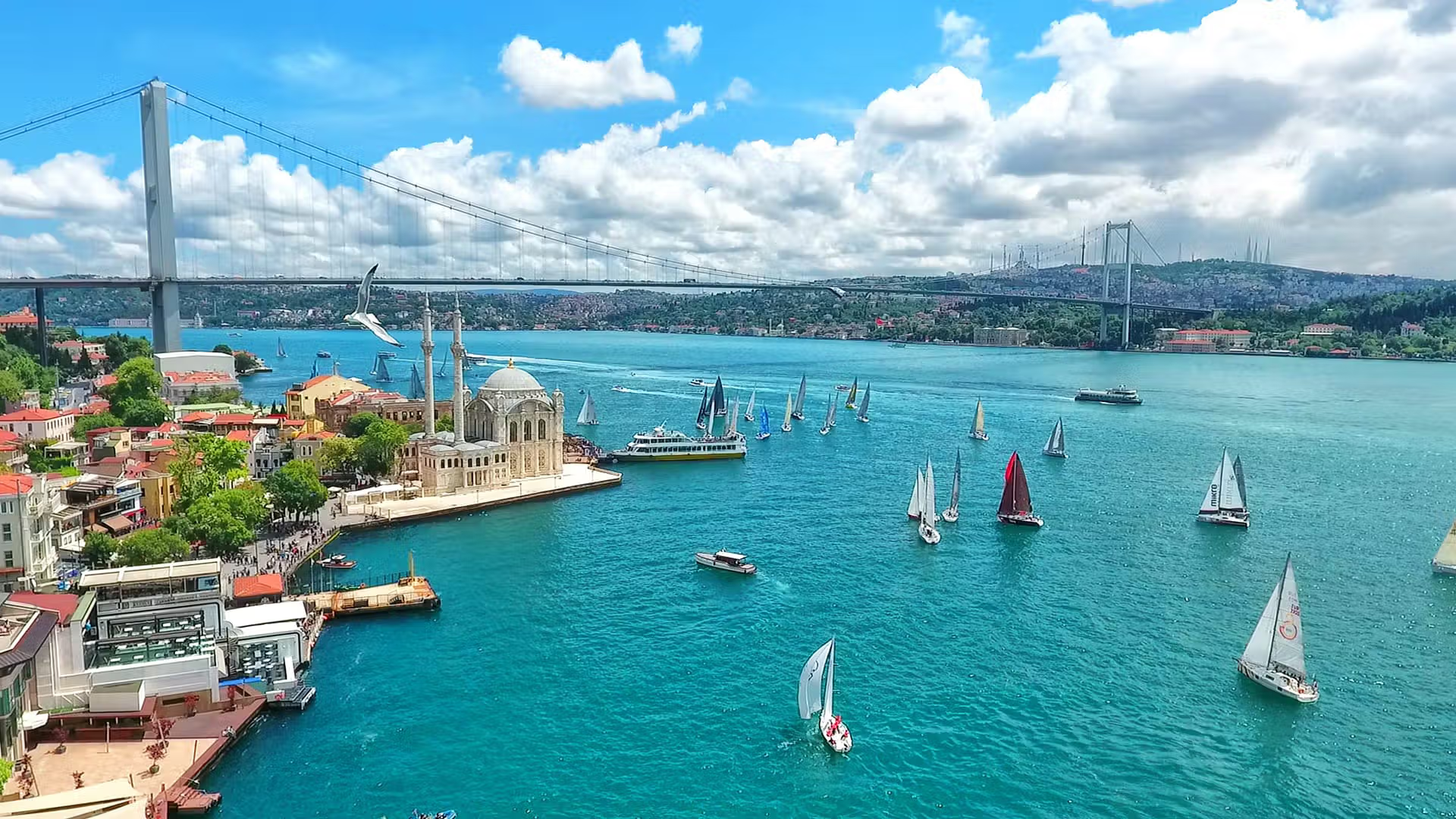
The Egyptian spice market in the morning, then a private boat along the Bosphorus, past wooden waterfront houses and palace gardens, with Asia on one side and Europe on the other. The afternoon is free.
Because that is where Paul starts. The Aegean sites are grander and far easier to reach, which is why most itineraries open there, and a group that only has a week should probably do exactly that. But Tarsus is his birthplace and Antioch is where the name Christian was first used, and a journey that leaves out both has no first chapter. The cost is a flight and the better part of two days, and we would rather say so than hide it.
There are six of them in thirteen days, and it is the honest weakness of a route that crosses the whole country.Groups that want fewer moves usually drop the Mediterranean leg rather than the eastern one, which is the opposite of what most operators expect.
Yes. Private services can be arranged at St Antoine in Istanbul, the largest Catholic church in the city, at St Polycarp in İzmir, and, depending on season and group size, at the House of the Virgin Mary above Ephesus. Where a site cannot host a group, a private room at the hotel can. Services are led by the group's own tour leader or by one of its members. A visit to the Ecumenical Patriarchate in Istanbul can also be arranged when time allows.
Expect two to three hours on foot most days, roughly 3–5 km, on uneven ancient paving with little shade. Ephesus is the longest walk: about 3 km, mostly downhill on slippery marble. The two hardest stops are Pergamum, where the stepped path down to the theatre and back up is the steepest stretch of the route, and Assos, where the Temple of Athena sits at the top of a 15–20 minute cobbled climb. Anyone who would rather skip either climb can wait below. Good shoes matter more than anything else.
The museums and archaeological sites in Anatolia are open every day of the week. From early October until 1 April they switch to winter hours and close earlier, so days in that period start earlier to fit. Topkapı Palace is closed on Tuesdays and the Grand Bazaar on Sundays, and the Istanbul days are placed around them.
Coaches are normally 46-seat and 55-seat for larger parties. The eastern leg is the part most affected by group size, since Antakya and Tarsus have fewer large-coach-friendly stops than the Aegean.
The road out of Antioch
St Peter's Grotto above the Orontes, the basilica at Pisidian Antioch, a Roman theatre at Aspendos still in use, and the shore at Troas where the story crossed into Europe.
No items found.
More tours by Marveltour
The Ports of Saint Paul
Istanbul – Troy – Alexandria Troas – Assos – Pergamum – Ephesus – Miletus – Aphrodisias – Pamukkale – Antalya