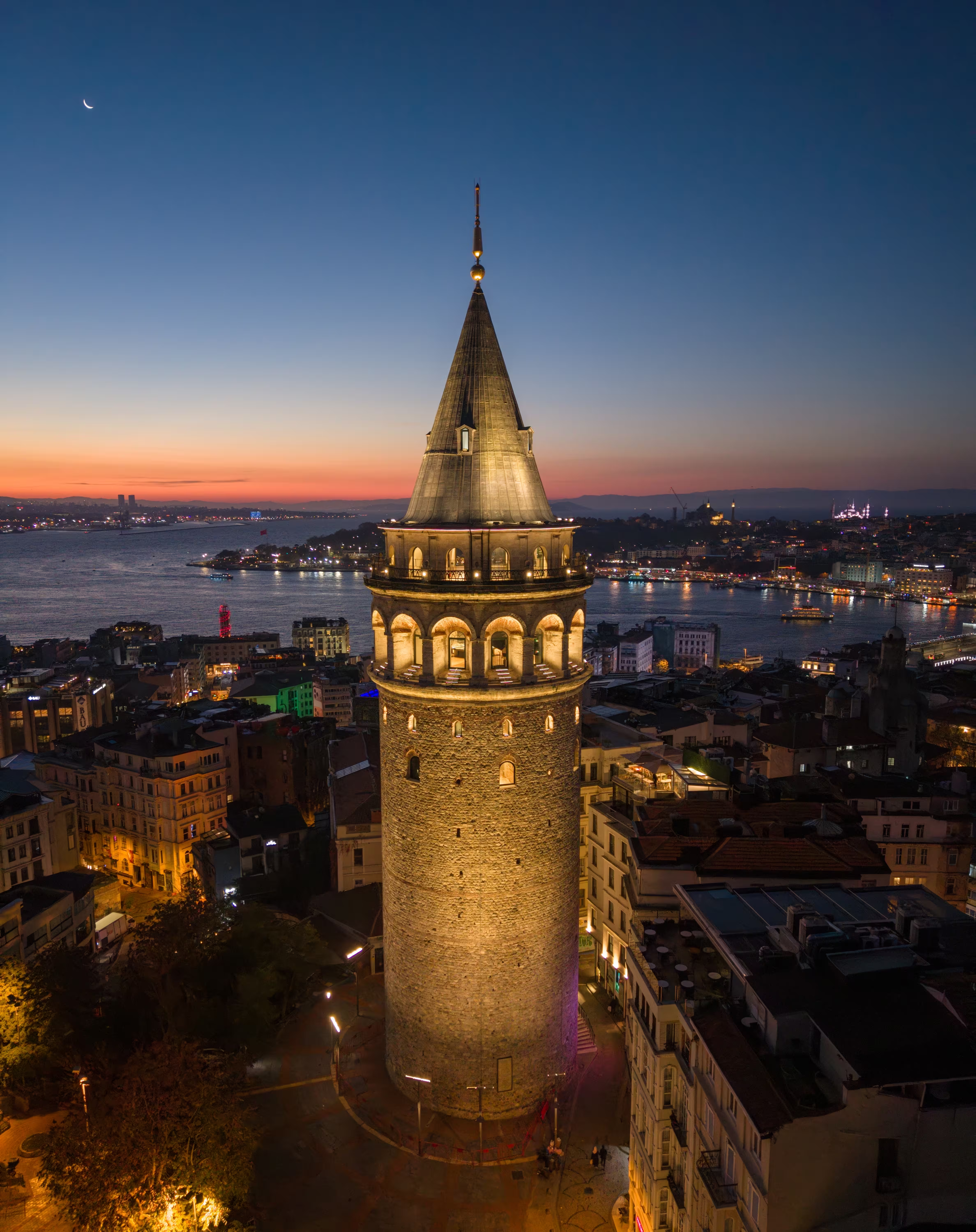
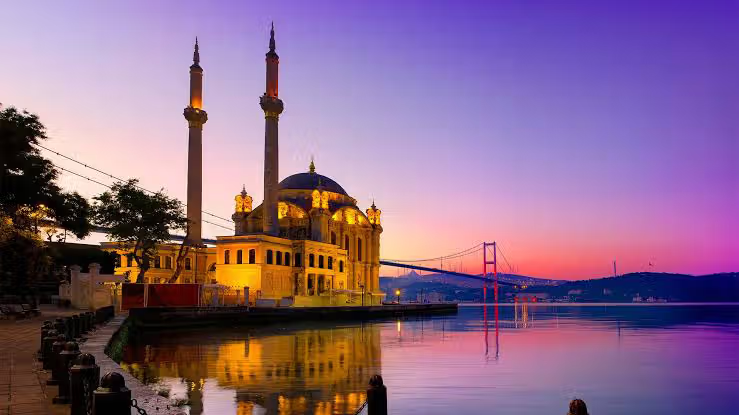
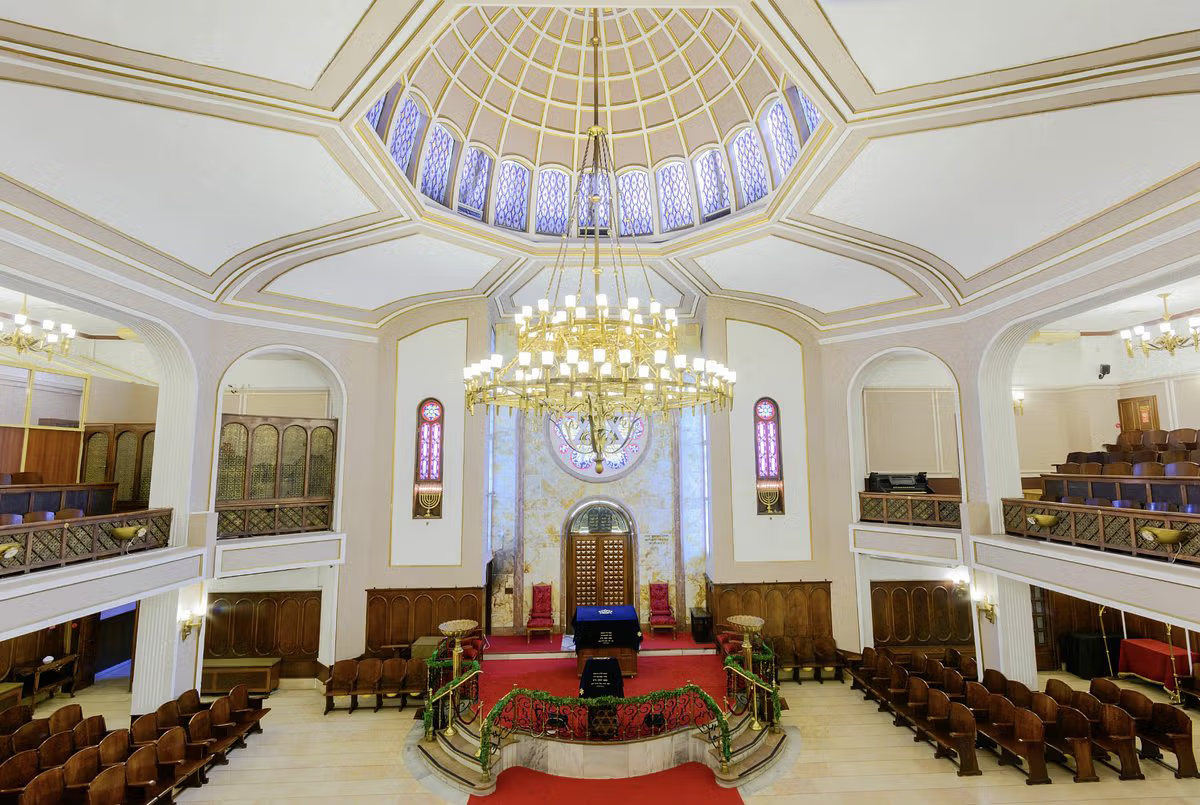
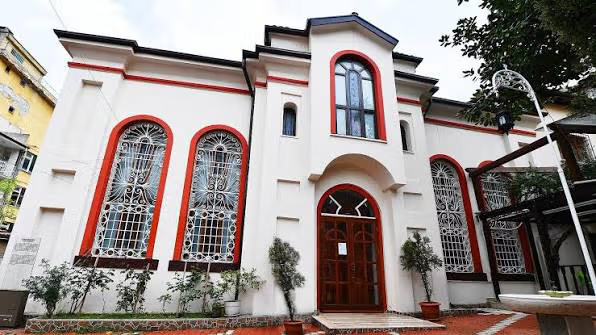
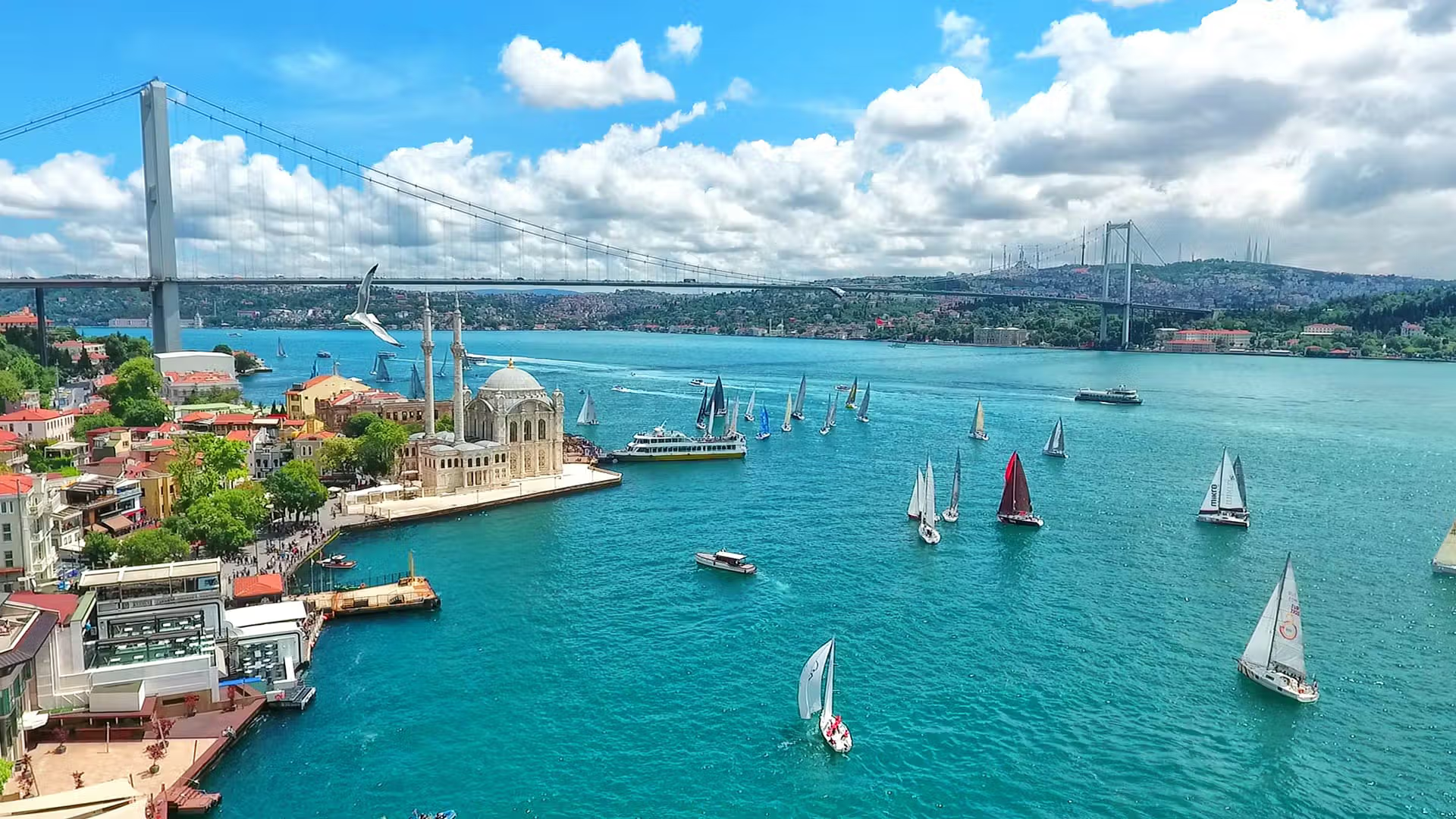
Cross the Golden Horn to Haskoy, the quarter where Istanbul's Jewish community lived for four centuries.
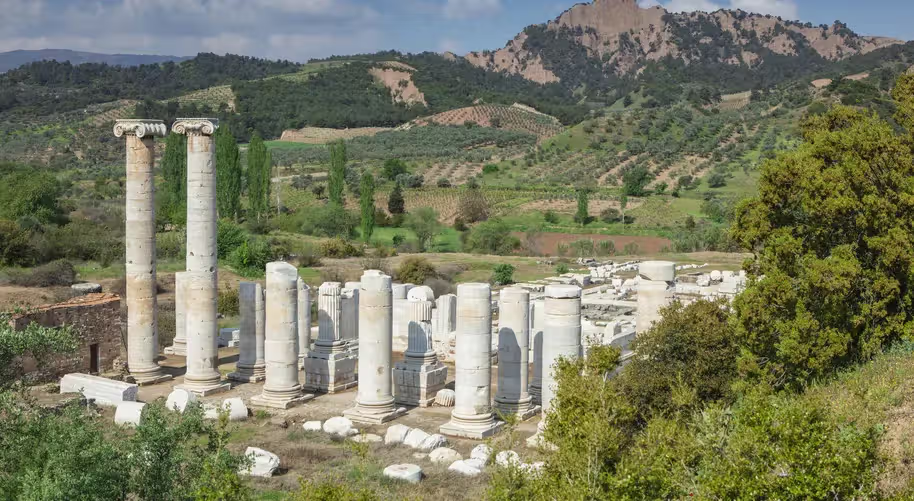
Stand in the Sardis synagogue, the largest ever excavated, in a city UNESCO added to the World Heritage list in 2025.
Read the Siloam inscription in the Archaeological Museum, cut by Hezekiah's tunnellers in the eighth century BC.
Walk Havra Sokağı in İzmir, where Ottoman-era synagogues stand within a few streets of one another in a concentration that survives nowhere else in Türkiye.
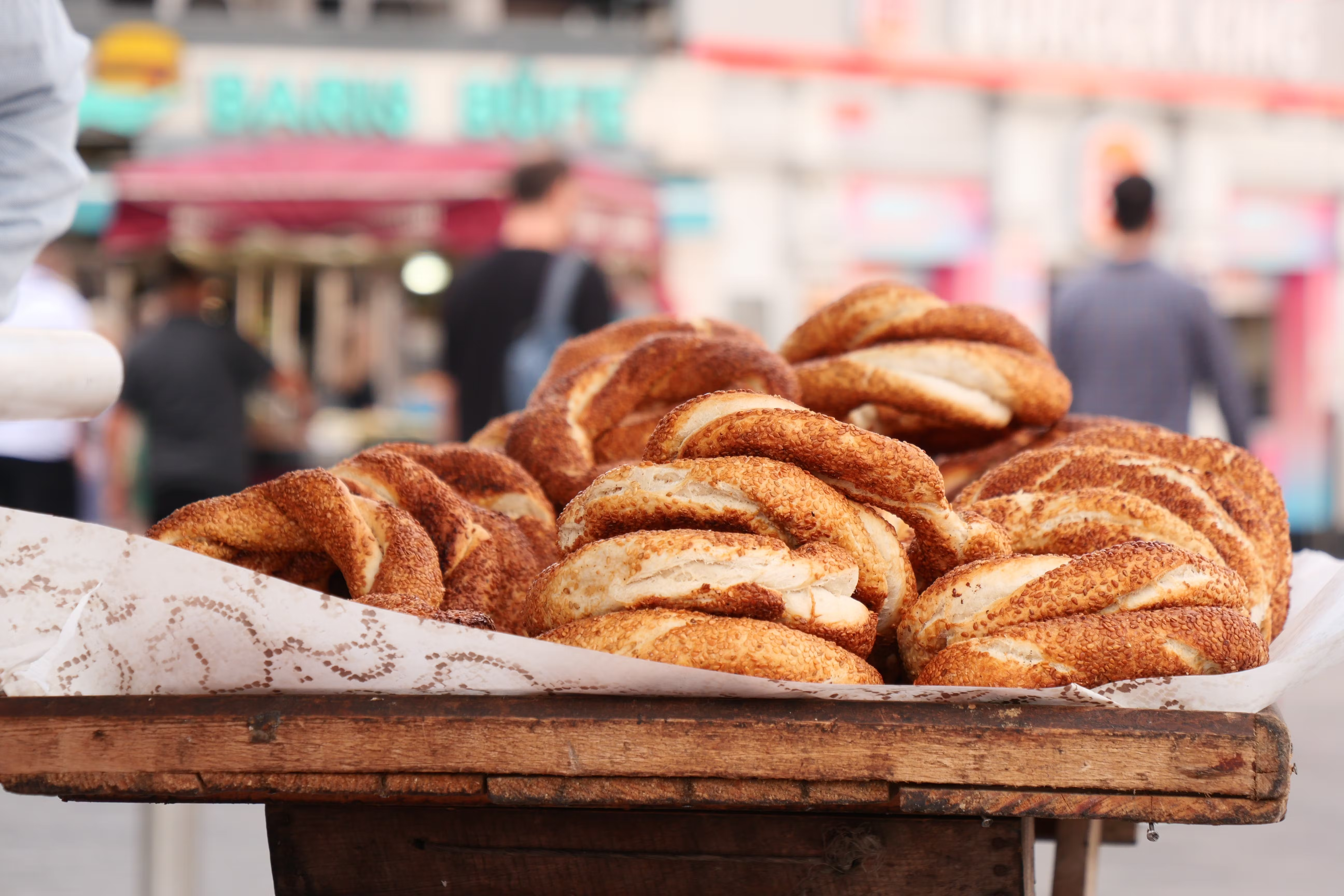
Start a morning in İzmir with boyoz, the pastry the Sephardim brought from Spain and the city never gave up.
Why the programme is built this way
Access is the programme. Synagogues in Türkiye are not monuments; they are working community buildings under security protection, and visits are arranged with the Jewish community of each city and confirmed for each departure rather than standing open. That single fact shapes every day here, and it is the reason this itinerary names the buildings it names.
The route holds two living communities and one ancient one. Istanbul and İzmir are where Jewish life in Türkiye continues; Sardis is where it can be measured, and UNESCO inscribed it on the World Heritage list in 2025. Putting Sardis between the two is deliberate. The group meets a living community first, then sees the scale of what stood here eighteen centuries ago, then meets the second community with that in mind.
Bursa is where 1492 landed. The old quarter at Kuruçeşme holds the Geruş Synagogue, whose name is the Hebrew word for expulsion, built by people who had just arrived from Spain. It is quiet now, which is the honest part of this story and not something the programme hides.
Feature
Details
Days
7 days, 6 nights
Bases
3 — Istanbul 3 nights, Bursa 1, İzmir 2
Living Jewish communities on the route
2 — Istanbul and İzmir
UNESCO World Heritage Site
1 — Sardis and the Lydian Tumuli of Bin Tepe, inscribed 2025
Oldest site
the Sardis synagogue, monumental from the third century
Historic synagogues
9 in the İzmir Kemeraltı cluster alone, 6 of them around one courtyard
Museums
1 — the 500th Year Foundation Museum of Turkish Jews
Longest single drive
Bursa to Sardis, 4 to 4.5 hours with a comfort stop
Itinerary
Day 1 | Istanbul — Arrival
Your group is met at Istanbul Airport and transferred to the hotel, with the evening free. The programme starts here rather than ending here for a reason: Istanbul took in the exiles of 1492 and still holds the largest Jewish community in Türkiye, so the living present comes before the archaeology.
Day 2 | Istanbul — the imperial city and the Archaeological Museum.
One morning crosses fifteen hundred years: the Hippodrome, the Blue Mosque, Hagia Sophia, then Topkapı, the political centre of the empire that opened its ports to the exiles. In the afternoon the Archaeological Museum, which holds three of the most significant Hebrew inscriptions anywhere — the Siloam inscription, cut by Hezekiah's tunnellers in the eighth century BC; the Gezer calendar; and the Greek stone that warned gentiles away from the inner court of the Second Temple. The day ends in the Grand Bazaar.
Day 3 | Istanbul — Haskoy, Galata and Kuzguncuk.
The Jewish Istanbul day, across three quarters on both sides of the water. Haskoy first, on the Golden Horn, where the community lived for four centuries. Then Galata: Neve Shalom, the principal synagogue of the city, and the 500th Year Foundation Museum inside the same complex, which carries the whole Turkish Jewish story through documents, photographs and ceremonial objects. Then the Camondo Stairs, built by the banking family who financed the late empire. In the afternoon, across to Kuzguncuk, where a synagogue, a church and a mosque stand within a few hundred metres of each other.
Day 4 | Istanbul to Bursa — the Kuruçeşme quarter.
South around the Marmara to the first Ottoman capital, one of the cities that took in the exiles. The old Jewish quarter is at Kuruçeşme, and the Geruş Synagogue in it carries the Hebrew word for expulsion in its name: the people who built it had just arrived from Spain. The Mayor Synagogue stands a few doors away. Both were restored in the last decade and both are quiet now, which is the honest part of the story rather than a gap in it.
Day 5 | Bursa to İzmir — Sardis.
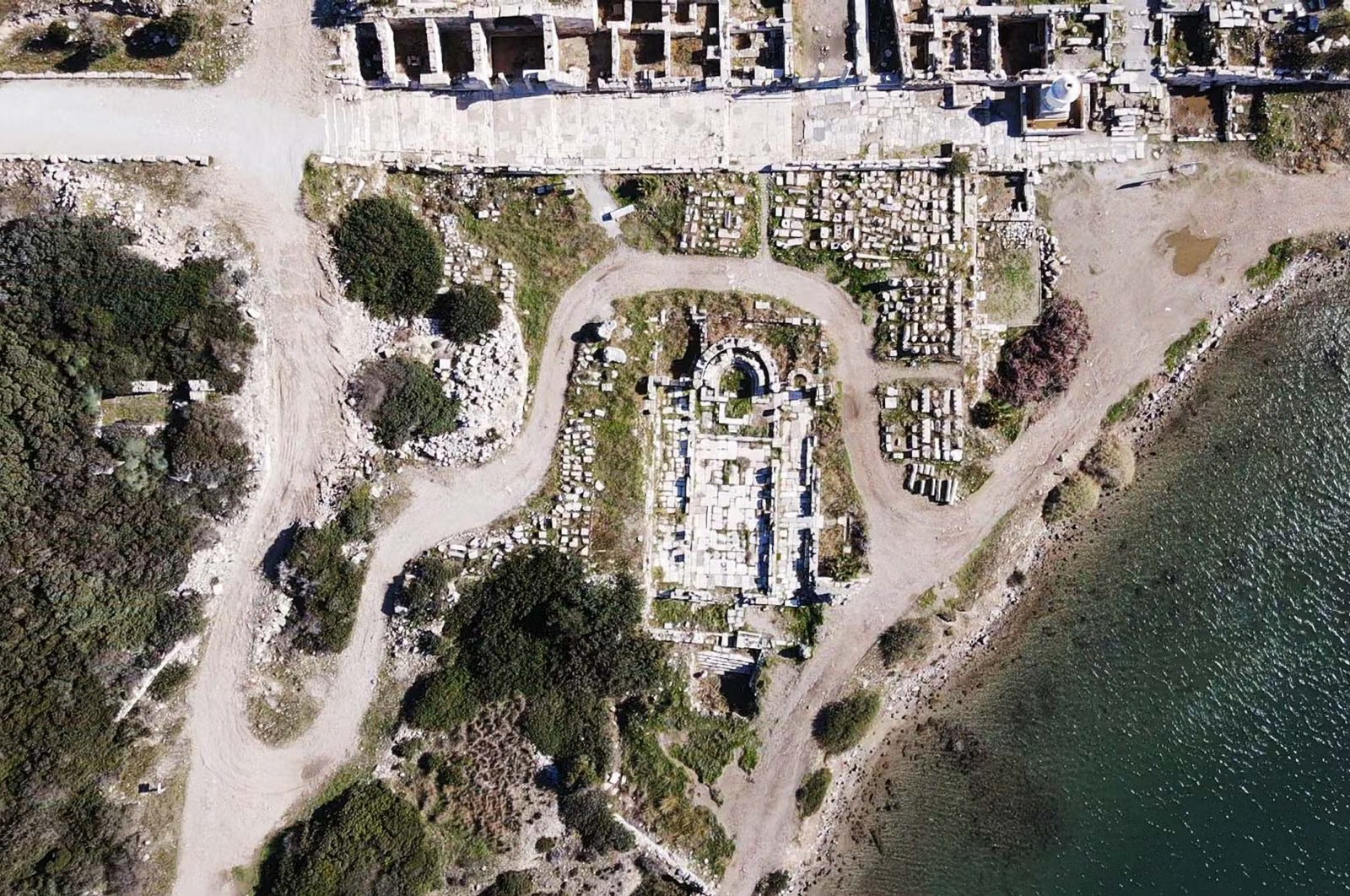
East to Sardis, and the reason the programme exists. The synagogue here is the largest ever excavated: around eighty metres long, seating perhaps a thousand, and built not at the edge of the city but into its main bath and gymnasium complex, on the street where everyone walked. Some eighty inscriptions survive, and several name donors who sat on the town council. This was not a community living on sufferance. UNESCO added Sardis to the World Heritage list in 2025. Then down to İzmir for two nights.
Day 6 | İzmir — the Agora, Havra Sokağı and Karataş.
Start with boyoz, the pastry the Sephardim brought from Spain and the city never gave up. Then the Roman Agora of Smyrna, to put the ancient city under the modern one. Then Kemeraltı and Havra Sokağı, Synagogue Street, where Ottoman-era synagogues stand within a few streets of one another in a concentration that survives nowhere else. Which ones you enter is arranged with the İzmir Jewish community before departure. In the afternoon, Bet Israel in Karataş, the large working synagogue of the city.
Yes, and it is the part of this programme that takes the most work. Synagogues in Türkiye are working community buildings under security protection rather than monuments, so visits are arranged with the Jewish community of each city and confirmed for each departure rather than standing open. The museum at Neve Shalom and the archaeological sites are straightforward. The working synagogues are not. We name in every quotation which buildings are confirmed and which are still being requested, so a group is never promised something that then does not happen on the day.
Passport details for every traveller, well ahead of the dates, because the community submits them for security clearance. We give you the deadline when we quote. We also want the group's level of observance, any kosher requirement, and whether you need a guide working in a language other than English.
Synagogues do not receive visitor groups from Friday afternoon through Saturday night, so we build that day around the archaeology and the neighbourhoods instead, or, for observant groups, around where the group is staying. The autumn High Holidays and Passover close the synagogues to visitors for several days at a time, and those dates move each year against the Gregorian calendar. We check your dates against the Jewish calendar before we quote and tell you straight away if a date is a problem.
Yes, and it is worth being precise about what is needed, because kosher-style, supervised and glatt are three different operations at three different costs. In Istanbul and İzmir we work through the community's own suppliers. Outside those two cities the food has to travel with the group, which we arrange. Tell us the standard required at the enquiry stage rather than after the hotels are contracted.
Bursa to Sardis on day five, around four hours, with Sardis at the end of it and only a short run down to İzmir afterwards. We split the original single-day version of that leg precisely because it did not leave the site enough time. Nothing else on the programme runs over three hours.
Sardis is open, uneven and largely unshaded. Kemeraltı is a working bazaar on old paving. Haskoy and Kuzguncuk are hill neighbourhoods with steps and steep lanes, and the Camondo Stairs are stairs. None of it is long, but little of it is flat. We send a walking grade with every quotation and can route the slower half of a group around the climbs in Haskoy and Kuzguncuk.
The Living & The Ancient
Synagogues still in use in Istanbul and İzmir, the quiet quarter in Bursa where the exiles of 1492 settled, and the marble halls of Sardis, where the story began eighteen centuries ago.
No items found.
More tours by Marveltour
The Seven Churches of Revelation with Cappadocia
Istanbul – Troy – Pergamum – Smyrna – Ephesus – Sardis – Laodicea – Cappadocia 10 days / 9 nights