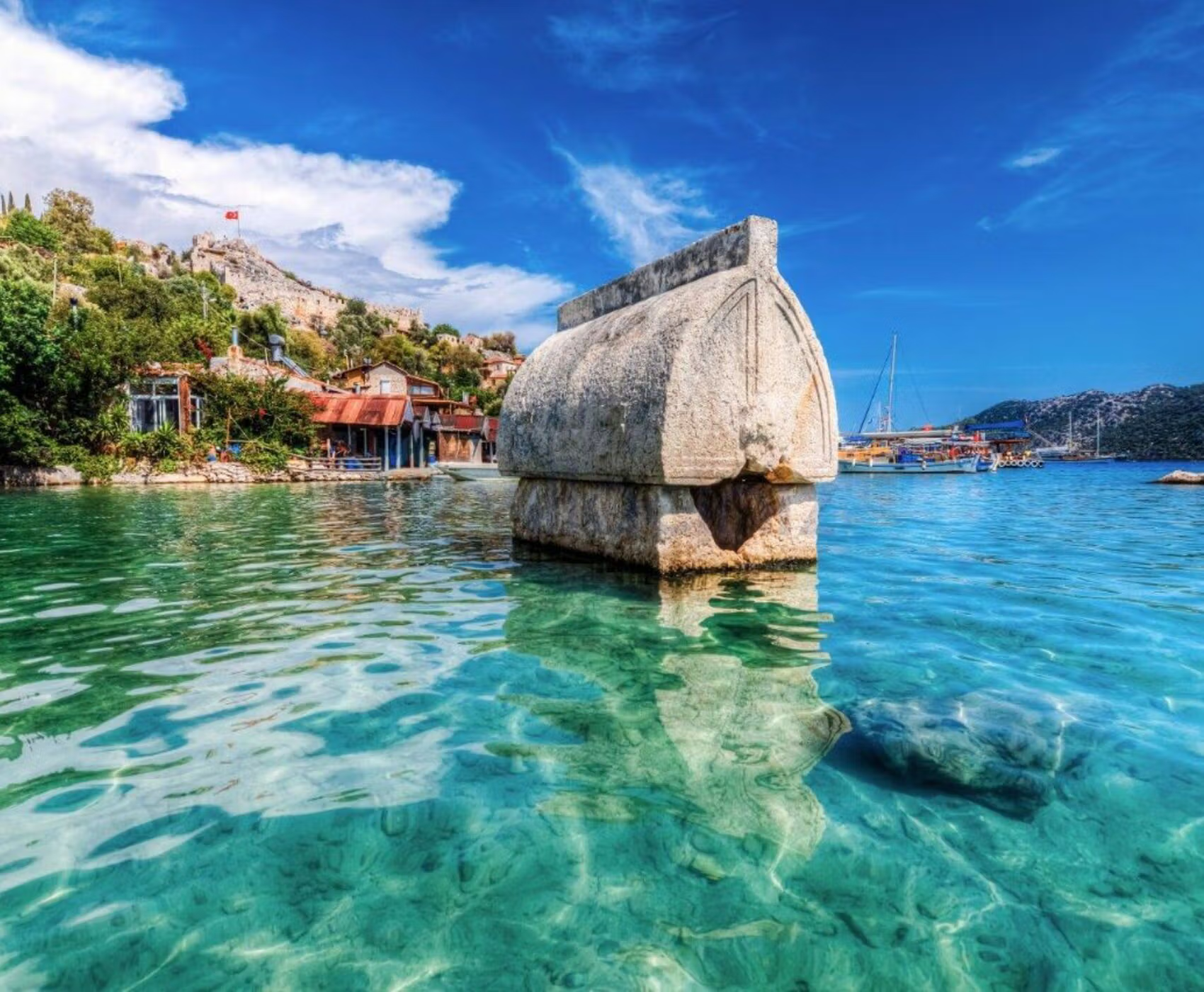
Stand on the shore at Alexandria Troas, where a dream of a man from Macedonia turned Paul west and sent Christianity into Europe.
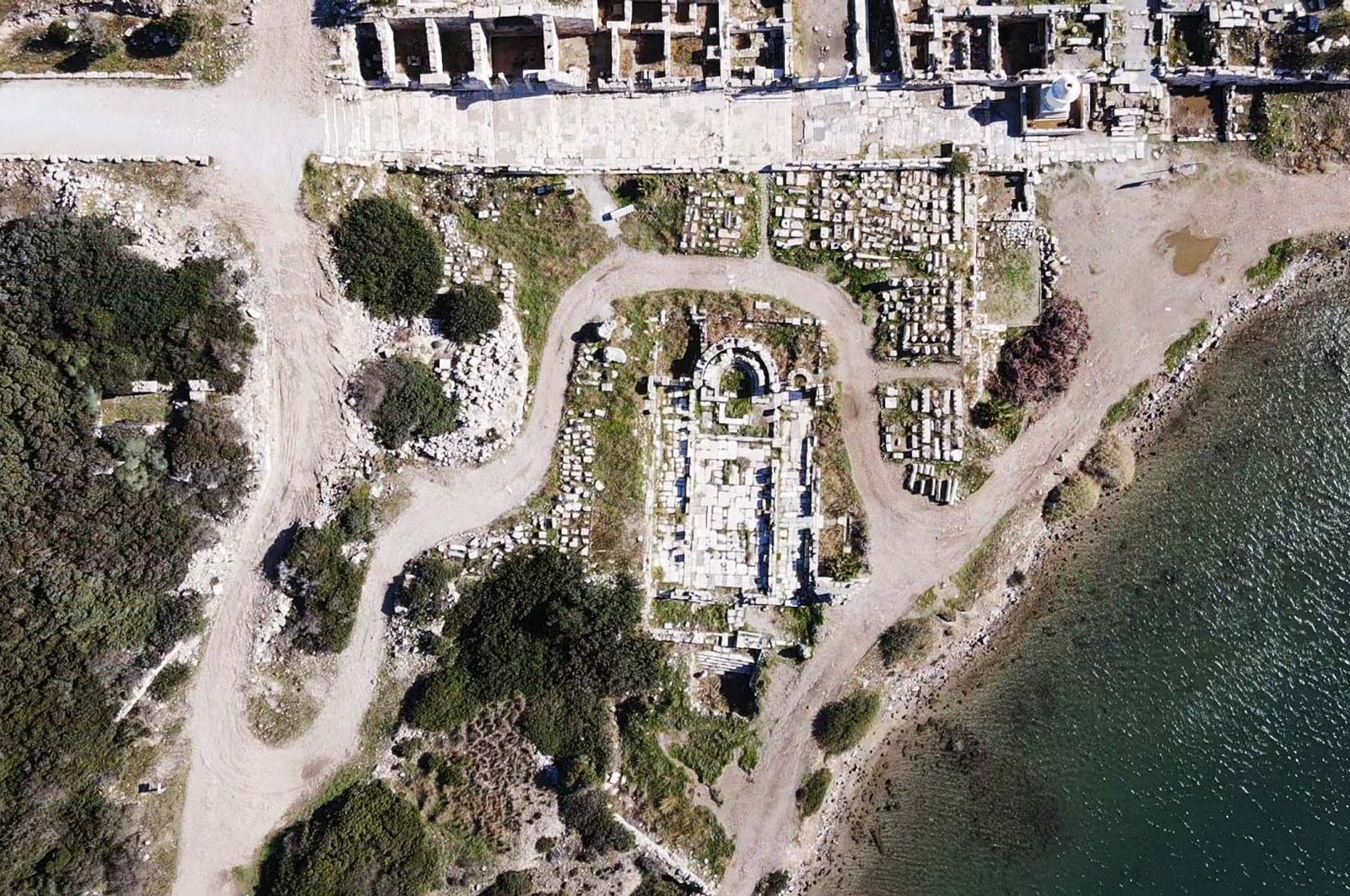
Walk the silted harbour at Miletus, where Paul said goodbye to the elders of Ephesus knowing he would not see them again, past the stone lions that still guard it.
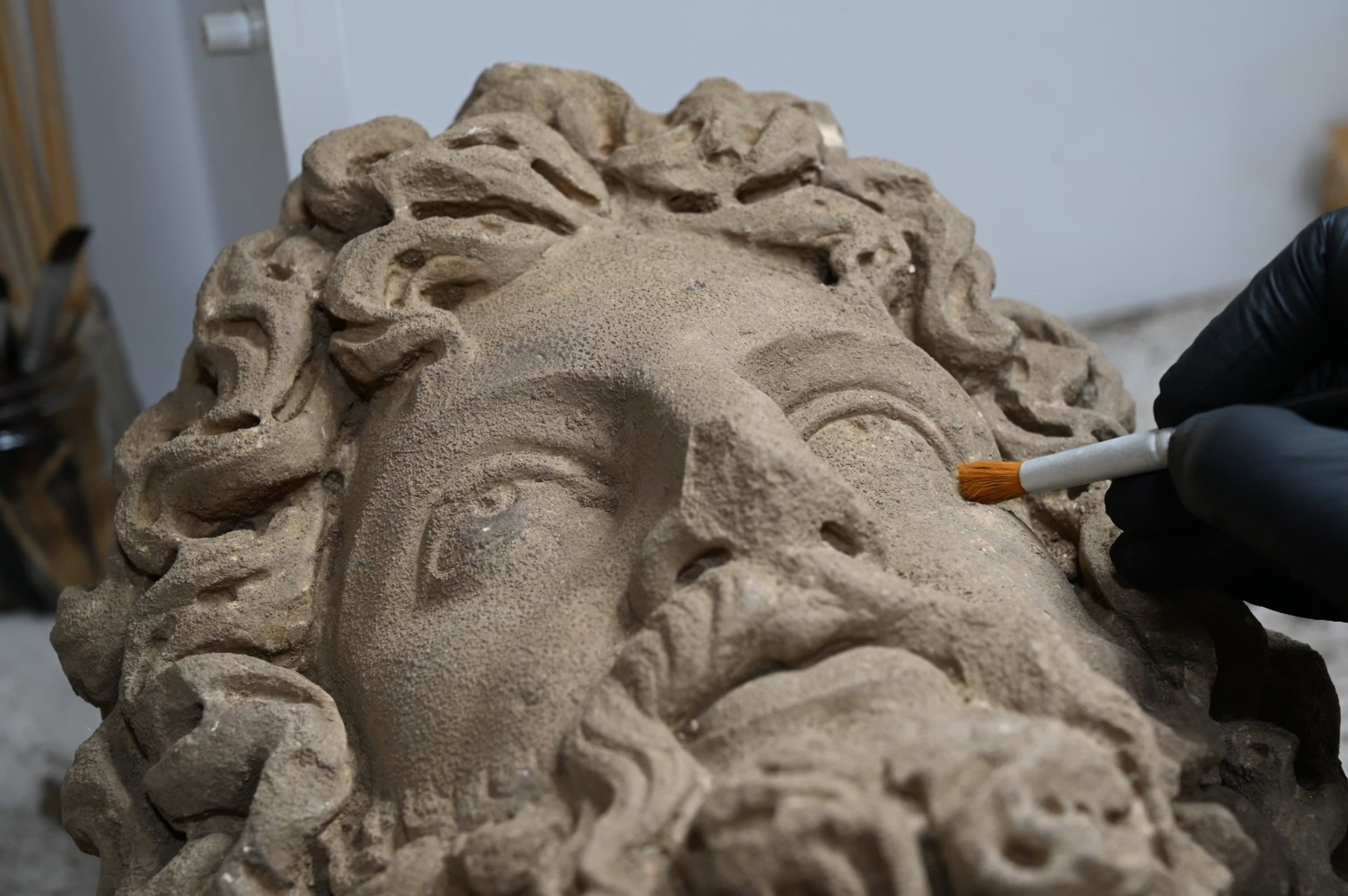
Ride up to the acropolis at Pergamum, the city John called the throne of Satan, then down to the Asklepion where the ancient world came to be healed.
Walk into Aphrodisias, a marble city still half-buried, with the best-preserved stadium anywhere in the Mediterranean.
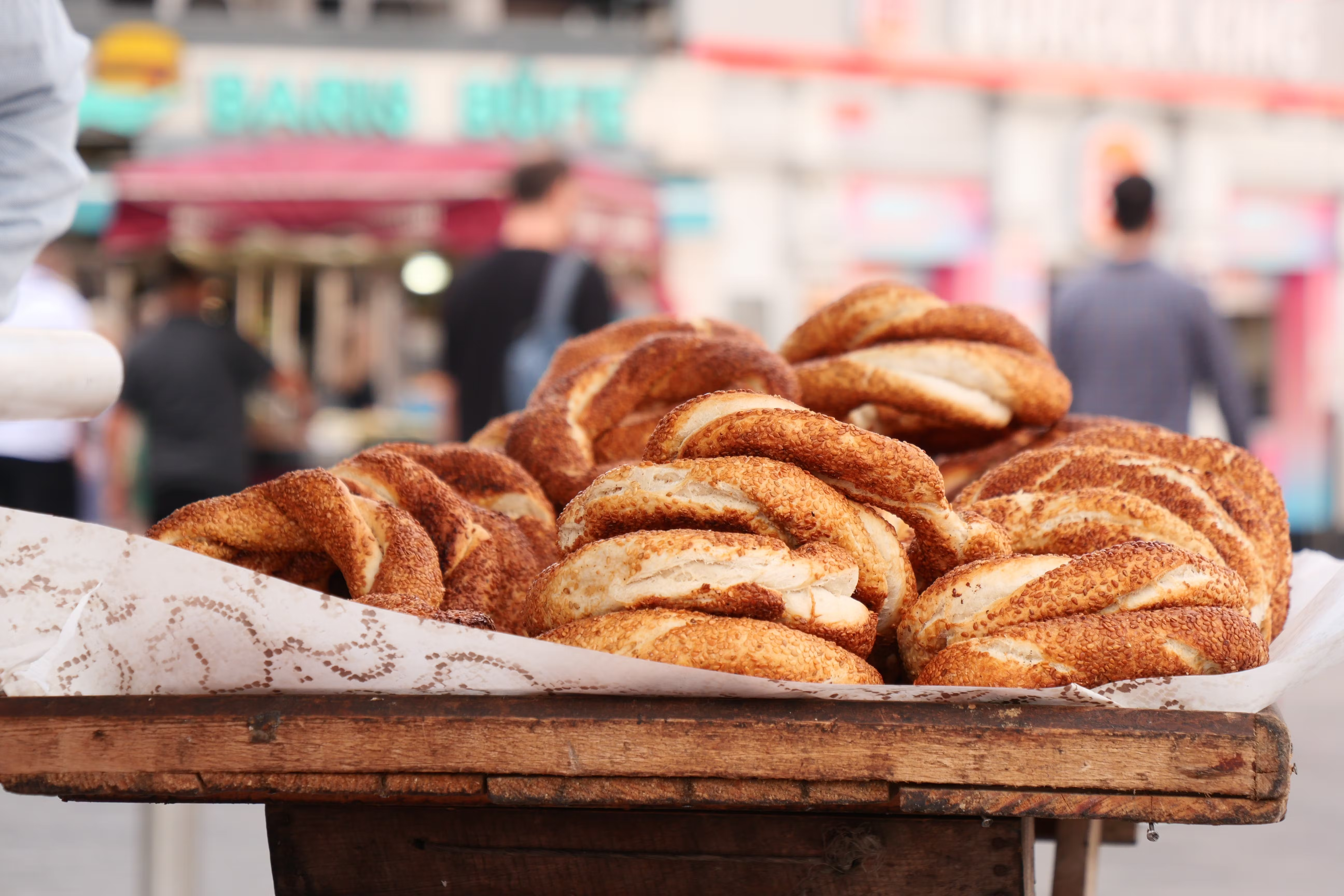
Sit down to an Aegean table of olive-oil mezes, grilled fish and figs, a kitchen built almost entirely on what grows within sight of the water.
Why the programme is built this way
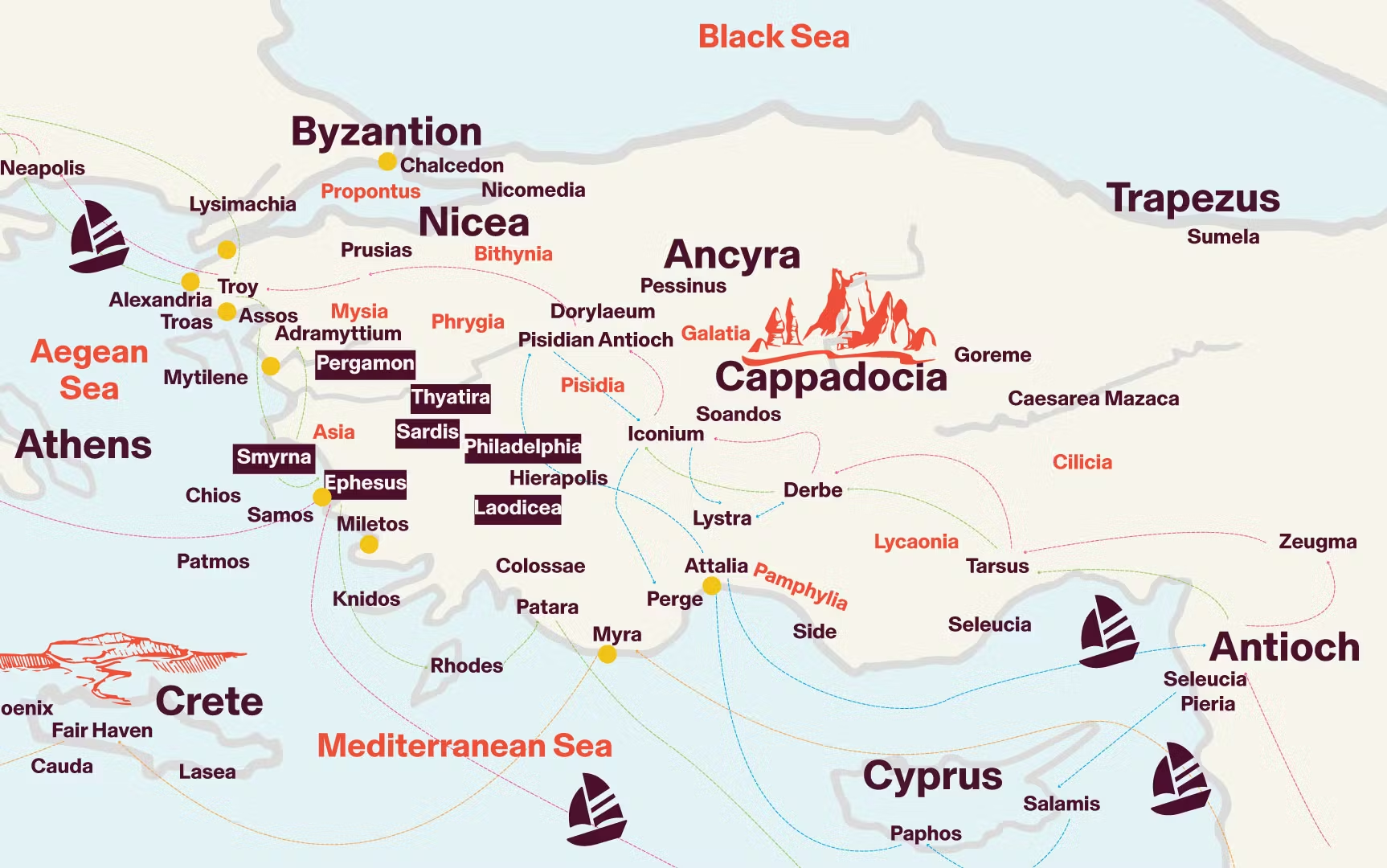
The shortest of our three faith programmes, but not a cut-down version of the longer one. It has a different subject. The overland journey through Cilicia and the Anatolian plateau belongs to the thirteen-day itinerary; this one stays on the coast, where Paul moved by ship and where the decisions that carried the faith out of Asia were made. Alexandria Troas and Assos are the two stops that make it: almost no Türkiye programme includes either, and together they hold the moment the story crossed into Europe. Aphrodisias is here because it sits almost on the road between Ephesus and Pamukkale and is among the finest ancient cities in the country, which makes it the easiest UNESCO site in Türkiye to add and the most often missed.
Istanbul 2, Assos 1, İzmir 1, Kuşadası 1, Pamukkale 1, Antalya 1
Longest driving day
Day 2 — Istanbul to Assos, approx. 450 km
Total road distance
Approx. 1,500 km
Best months
April, May, September and October
Walking
Walking is involved throughout the itinerary.
Itinerary
Day 1 | Istanbul — Arrival
Arrive and settle. The group gathers in the evening and the guide sets out the week: four harbours, one crossing, and the reason the route follows the coast.
Day 2 | Istanbul to Assos — Troy and Alexandria Troas
South to the Dardanelles and across from Europe into Asia. Troy first, nine cities stacked on one mound and the oldest story in the country. Then Alexandria Troas, once a major Aegean port and now a quiet site above the water. Paul meant to travel north into Bithynia and was turned west instead; here he dreamed of a man from Macedonia calling him across the sea, and the faith left Asia. The day ends in Assos.
Day 3 | Assos to İzmir — the Temple of Athena and Pergamum
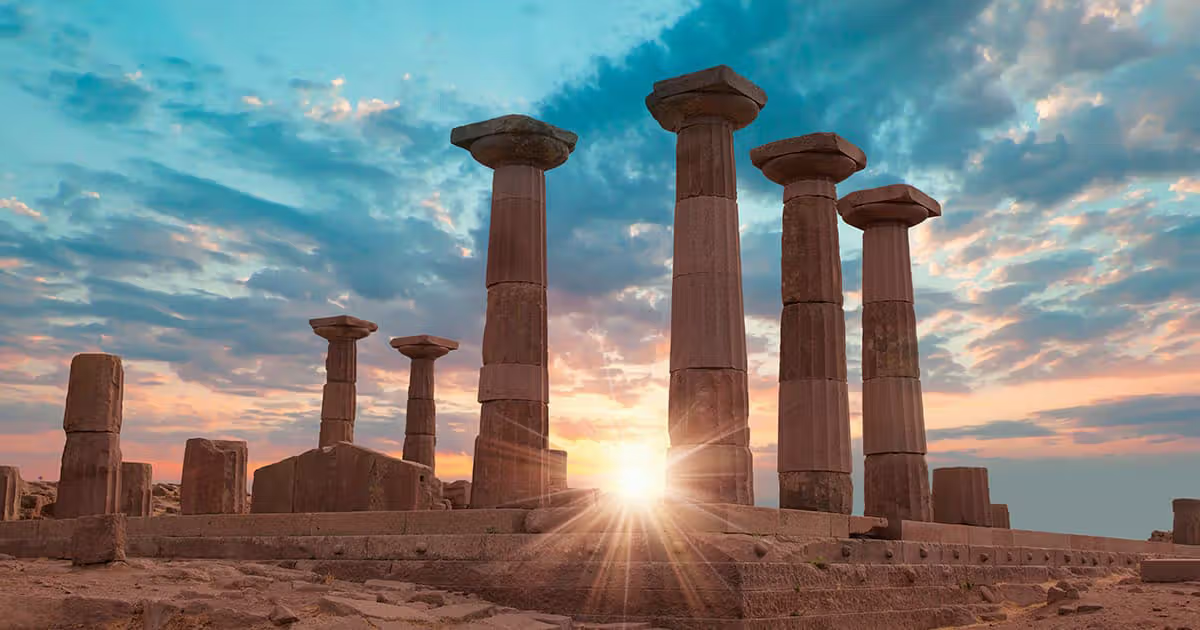
Assos in the morning, its Temple of Athena standing on a headland with the Aegean below and Lesbos on the horizon, inside walls from the time of Hermias and Aristotle. Paul walked here overland while his companions sailed, and met them at the harbour. Then Pergamum: the acropolis with its Hellenistic theatre built into the slope, and the Asklepion, a healing sanctuary that drew the sick of the ancient world.
Day 4 | İzmir to Kuşadası — Ephesus and Miletus
Ephesus for the morning and most of the afternoon. The great theatre filled into a riot led by a silversmith whose trade in silver Artemis figures was under threat; the Library of Celsus; CuretesStreet; and above the town the Basilica of St John and the House of the Virgin Mary. Then Miletus, where the harbour has silted into a plain and the stone lions that guarded it lie where they fell, and where Paul made his farewell to the elders of Ephesus.
Day 5 | Kuşadası to Pamukkale — Aphrodisias and the terraces
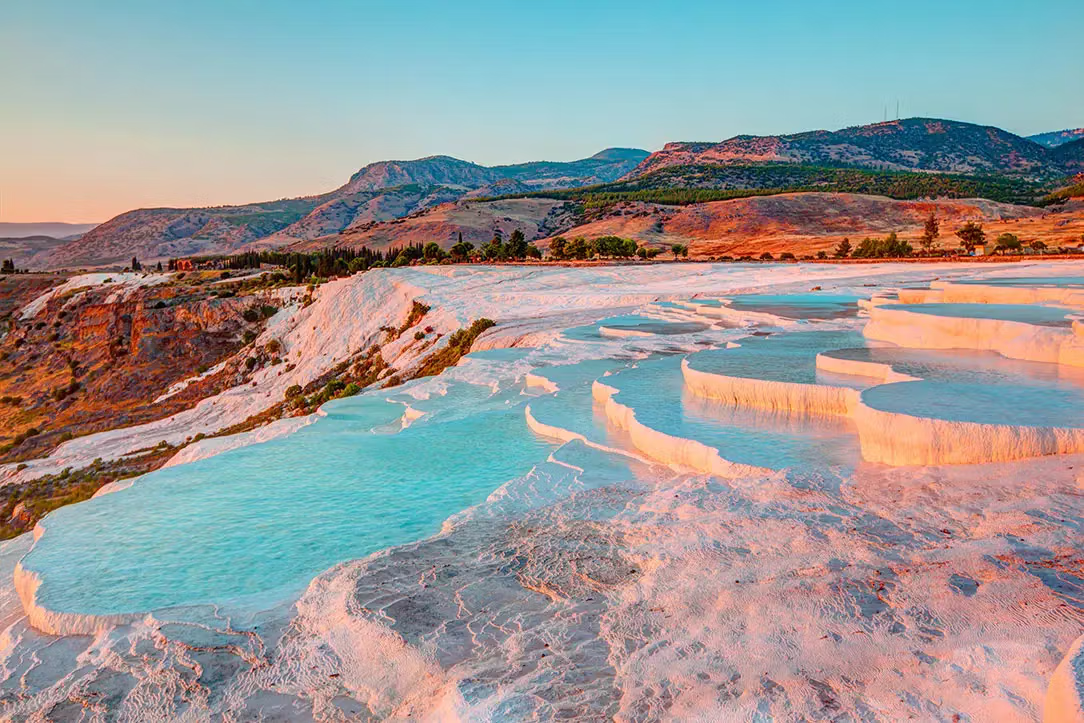
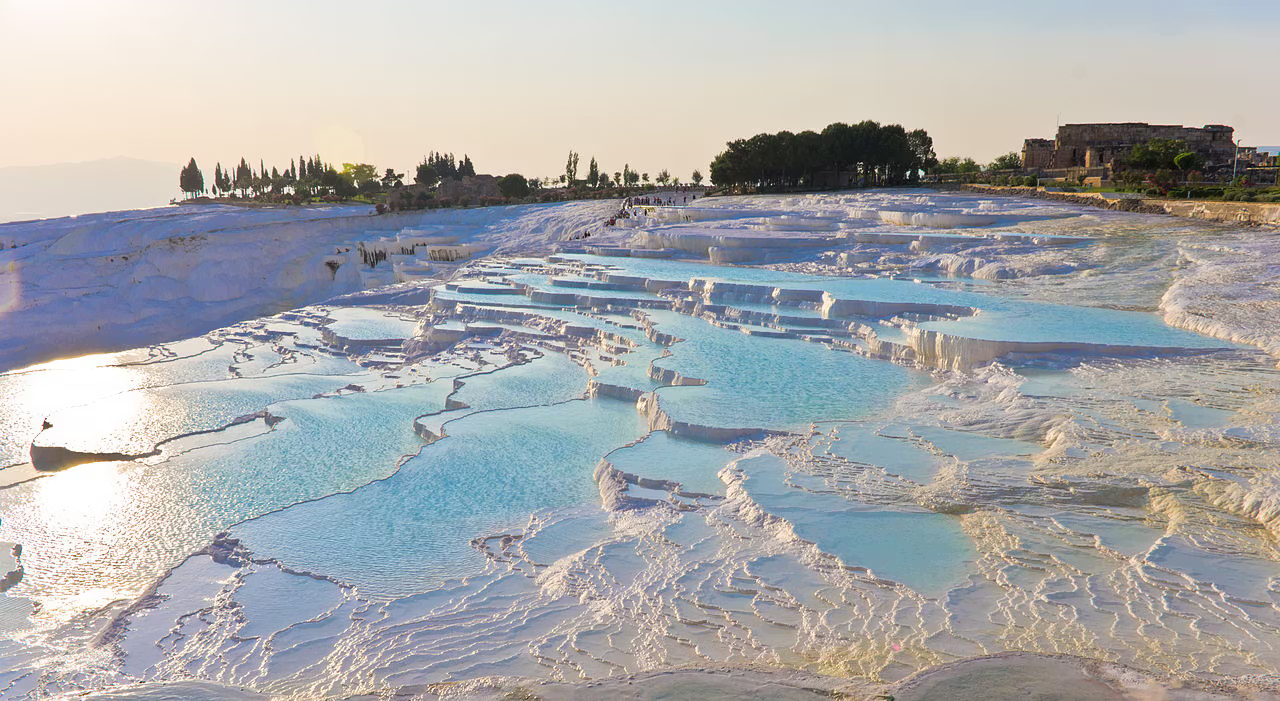
Aphrodisias in the morning, a city given to the goddess of love and still largely unexcavated, with a temple, a bishop's palace, a theatre, baths and a stadium that held thirty thousand. Then Pamukkale, where mineral water has been spilling over the cliff for millennia and left white terraces behind. Hierapolis sits directly above them, with a theatre, a temple of Apollo and a necropolis running a kilometer along the ridge.
Day 6 | Pamukkale to Antalya — Perge and Aspendos
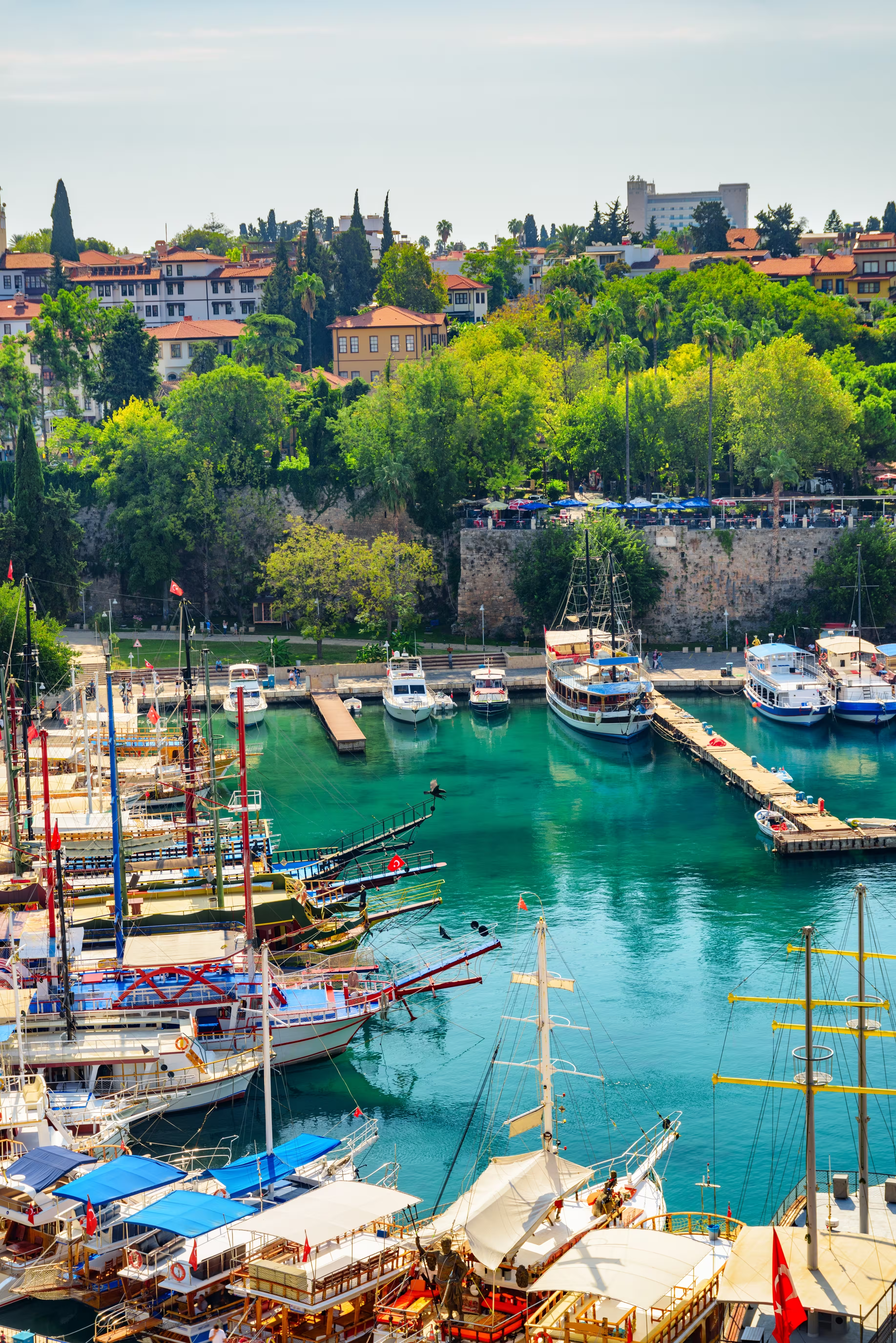
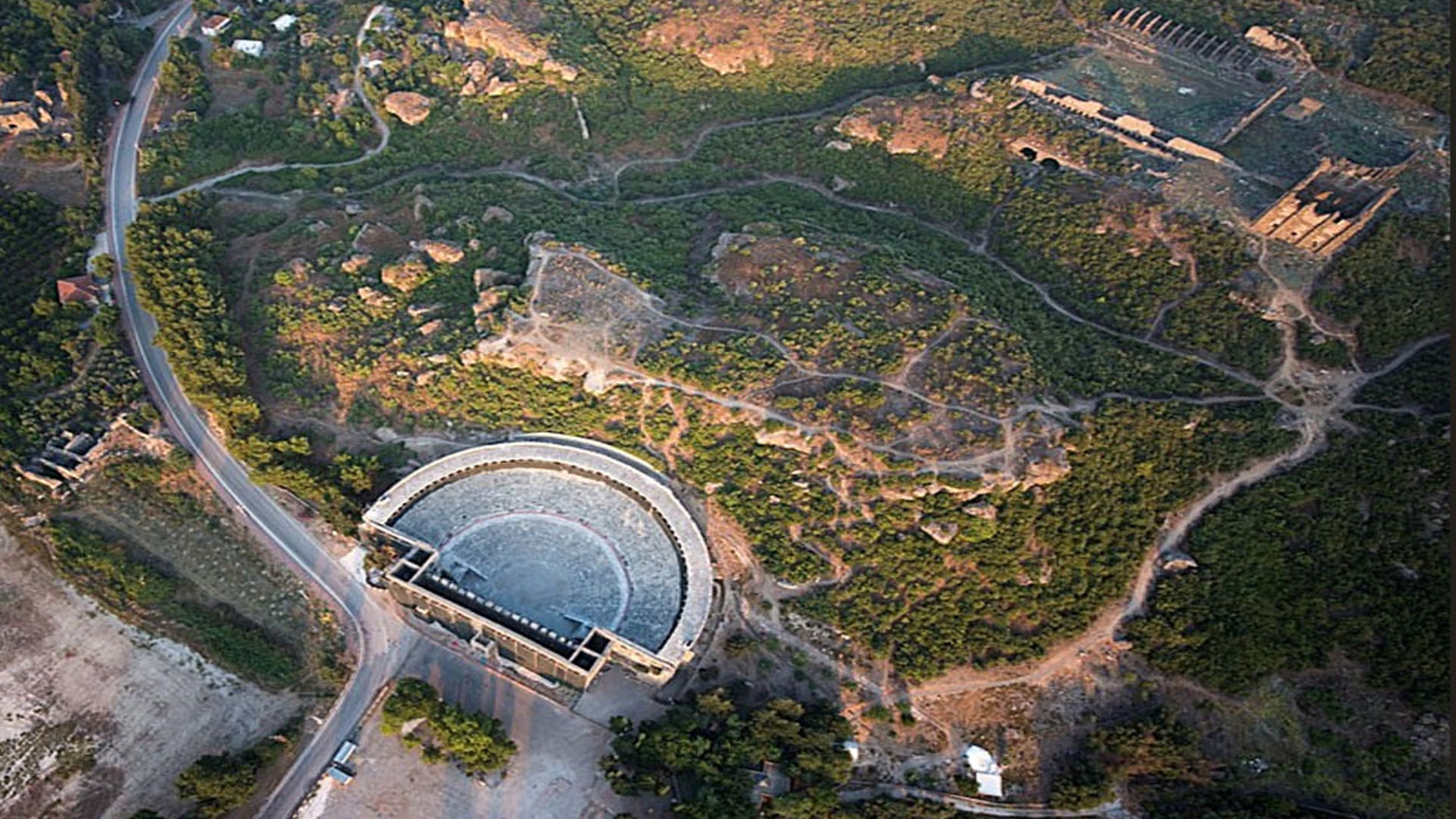
Down to the Mediterranean. Perge is where John Mark left Paul and Barnabas and turned back for Jerusalem, and its theatre, stadium and gates give a clear picture of a first-century city. Aspendos follows, where the Roman theatre is the best-preserved in the Mediterranean, complete enough that it is still in use. The day ends at Antalya, the Attalia from which Paul sailed home after his first journey.
Day 7 | Antalya to Istanbul — the historic peninsula
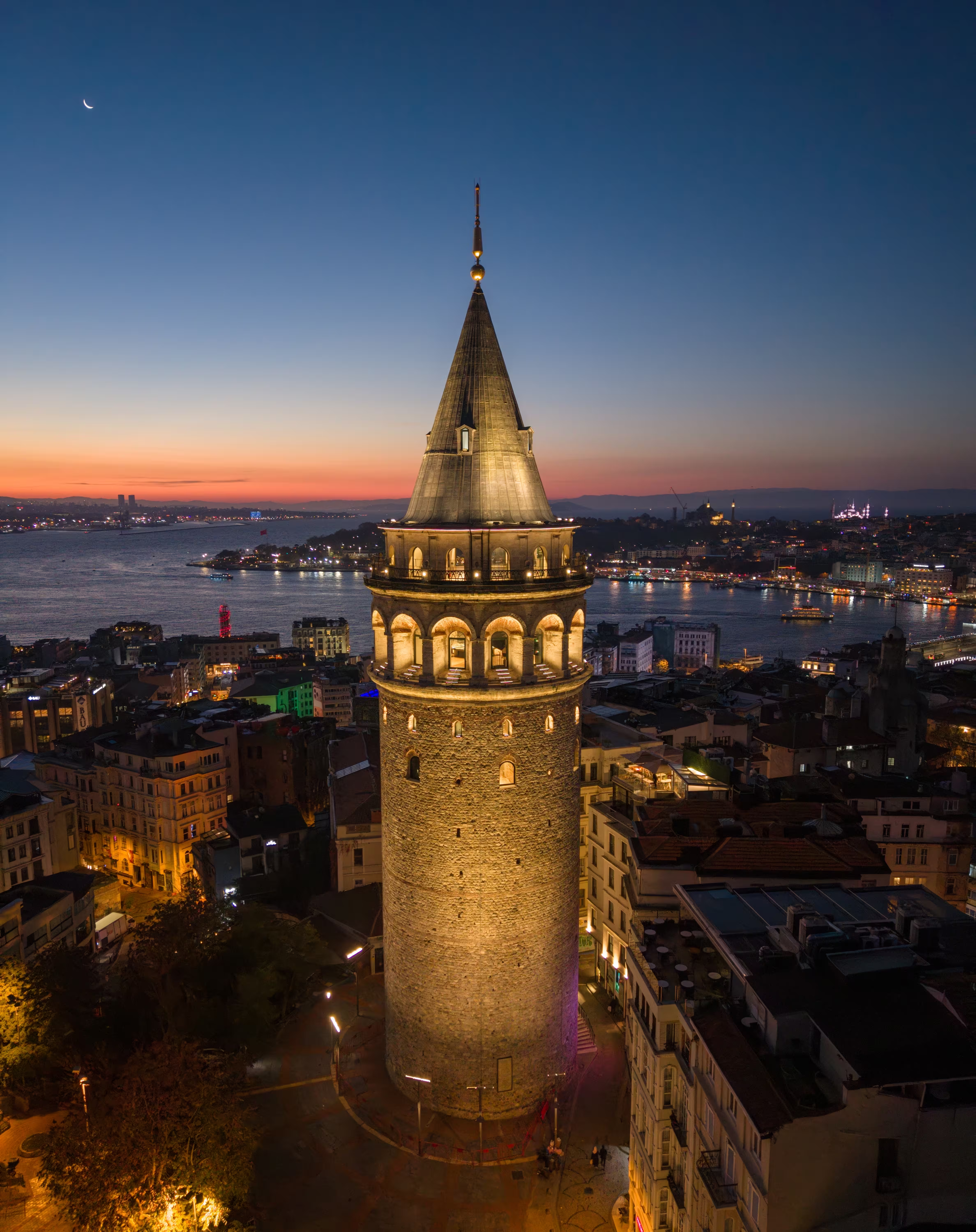
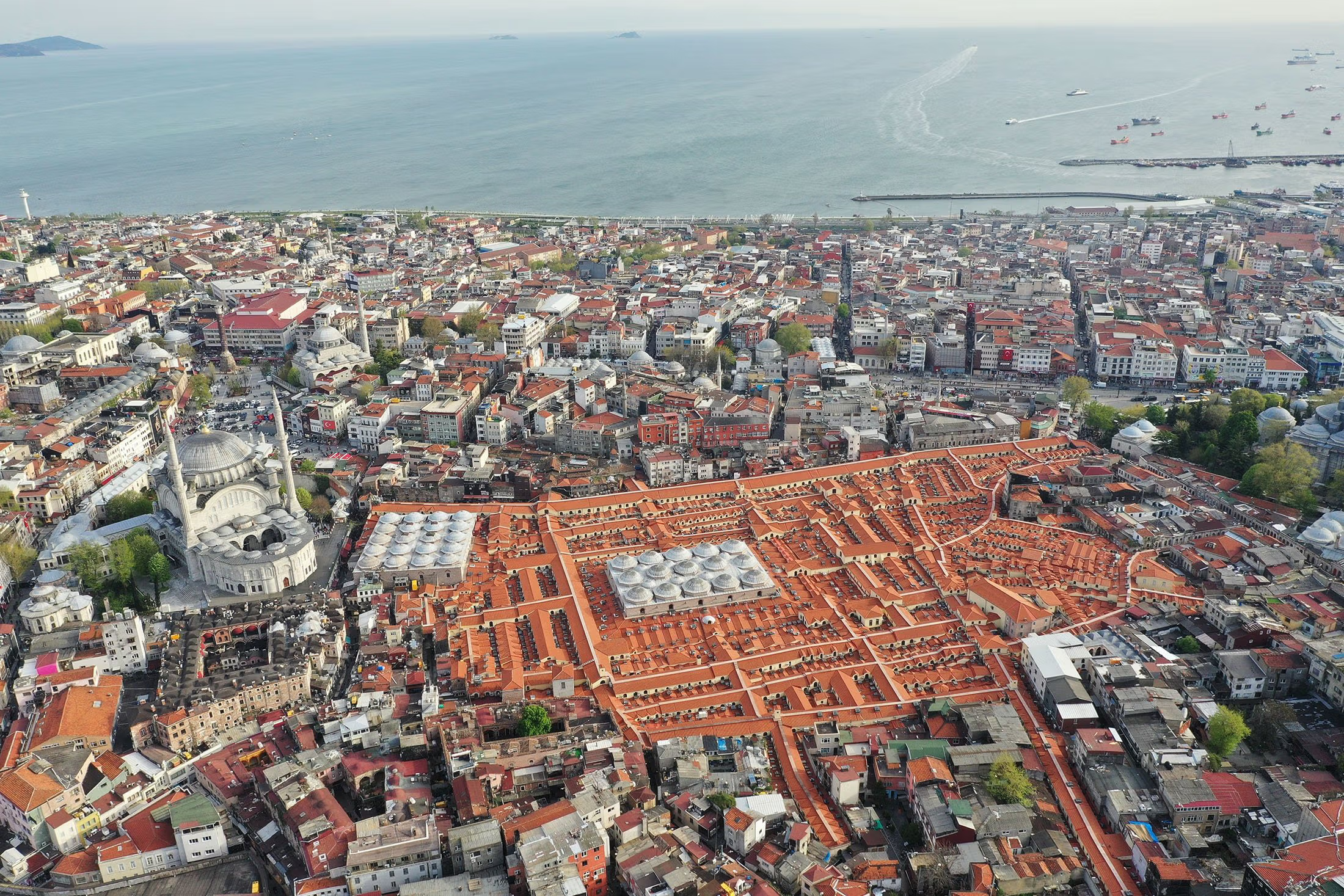
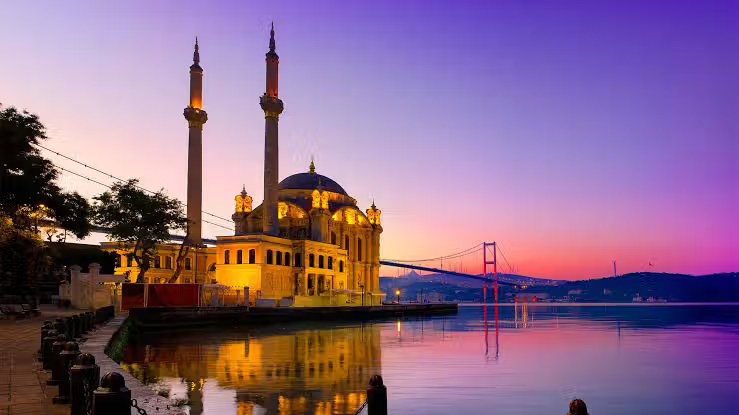
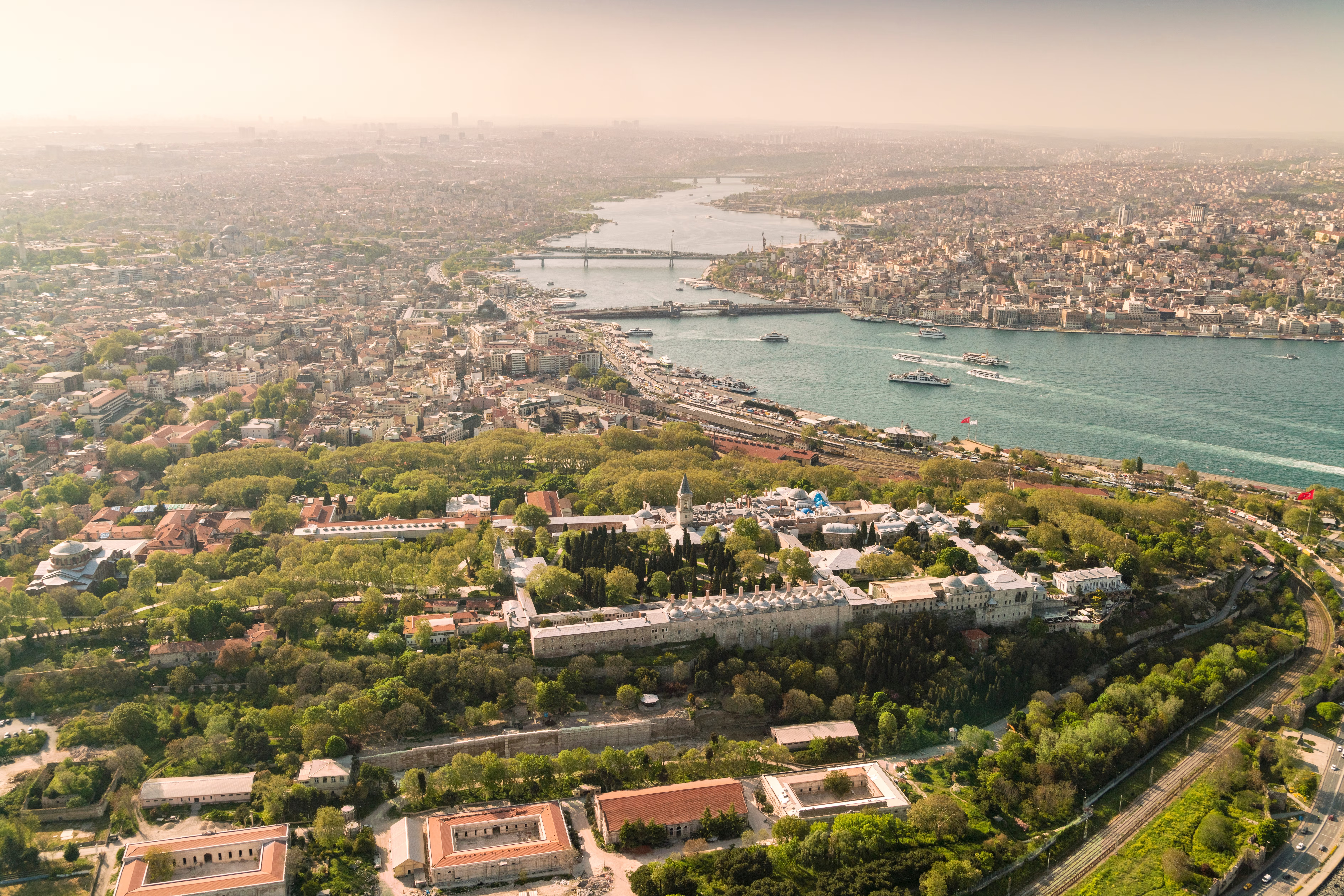
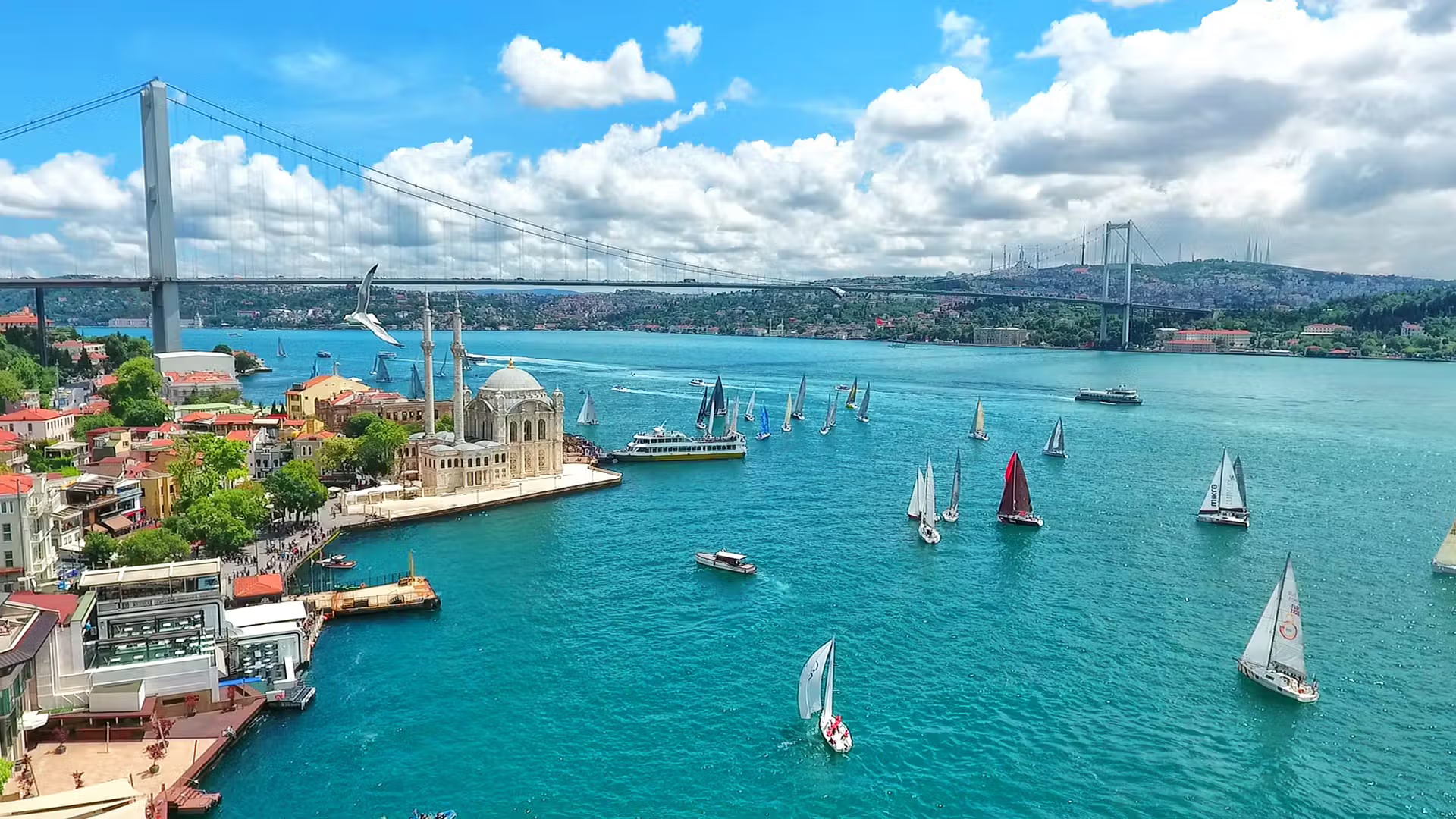
An early flight north, then a full day in Istanbul. The Blue Mosque, the only one built with six minarets; Hagia Sophia, the great imperial church of the city; theHippodrome; Topkapı Palace and its treasury; and the Grand Bazaar to close.
No, and it is worth saying why. The longer itinerary is overland and begins at Paul's birthplace in Tarsus. This one stays on the coast and follows the sea routes instead. Two of its stops, Alexandria Troas and Assos, are not on the longer programme at all, and they are the reason it exists: together they hold the moment the faith crossed from Asia into Europe. Groups choosing between the two are choosing between the origins and the crossings, not between long and short.
It is the cost of a coastal route in eight days, and it is real: only Istanbul is used twice. Groups that want fewer moves usually add two days rather than cut sites, and the obvious place to add them is Kuşadası.
Yes. Private services can be arranged at St Antoine in Istanbul, at St Polycarp in İzmir, and, depending on season and group size, at the House of the Virgin Mary above Ephesus. Where a site cannot host a group, a private room at the hotel can. Services are led by the group's own tour leader or by one of its members.
Expect two to three hours on foot most days, roughly 3–5 km, on uneven ancient paving with little shade. The two hardest stops, Assos and Pergamum, fall on the same day. At Assos the Temple of Athena sits at the top of a 15–20 minute cobbled climb. At Pergamum the group rides up to the acropolis, but the stepped path down to the theatre and back up is the steepest stretch of the route. Aphrodisias is flat but spread out, a loop of around 2–3 km across a large site. Ephesus is the longest walk: about 3 km, mostly downhill on slippery marble. Anyone who would rather skip a climb can wait below. Good shoes matter more than anything else.
The museums and archaeological sites in Anatolia are open every day of the week. From early October until 1 April they switch to winter hours and close earlier, so days in that period start earlier to fit. Topkapı Palace is closed on Tuesdays and the Grand Bazaar on Sundays, and the Istanbul days are placed around them.
Coaches are normally 46-seat and 55-seat for larger parties. Assos is the constraint on this route rather than the coach: the village road up to the temple is narrow, and larger groups transfer for the last stretch.
Four harbours and a crossing
The shore at Troas where the faith turned west, Athena's temple above Assos, the stone lions in the silt at Miletus, and the theatre at Aspendos, still in use.
No items found.
More tours by Marveltour
In the Footsteps of Saint Paul
Istanbul – Antioch – Tarsus – Cappadocia – Konya – Antalya – Pamukkale – Ephesus – Pergamum – Assos – Istanbul