Türkiye’s 22 UNESCO World Heritage Sites: A Journey Through 12,000 Years of History
A member of the UNESCO World Heritage Convention since 1983, Türkiye saw its first sites inscribed in 1985 and its latest, Sardis, in 2025, with 80 more on its Tentative List.
Türkiye’s 22 UNESCO World Heritage Sites: A Journey Through 12,000 Years of History
Key Takeaways
22 sites, one country: Türkiye has 22 UNESCO World Heritage Sites (20 cultural, 2 mixed), spanning roughly 12,000 years of human history.
Where civilisation began: Göbekli Tepe (c. 9600 BCE) is the world’s oldest known monumental temple complex, more than 6,000 years older than Stonehenge.
Empires layered on empires: Hittites, Phrygians, Lydians, Greeks, Romans, Byzantines, Seljuks and Ottomans all left UNESCO-listed landmarks here, from Troy and Ephesus to Hagia Sophia.
Nature meets history: Cappadocia and Pamukkale are Türkiye’s only mixed sites, recognised for both their landscapes and their cultural heritage.
Still growing: Sardis joined the list in 2025, and 80 more sites, including Sümela Monastery, Zeugma and Mardin, wait on Türkiye’s Tentative List.
Türkiye has 22 UNESCO World Heritage Sites: 20 cultural and 2 mixed (cultural and natural). They span roughly 12,000 years, from the stone circles of Göbekli Tepe to the Ottoman domes of Edirne, making Türkiye one of the few countries where you can travel through every chapter of human civilization in a single journey.
Türkiye joined the UNESCO World Heritage Convention on 16 March 1983. Two years later, in 1985, its first three sites were inscribed: the Historic Areas of Istanbul, Göreme and the rock sites of Cappadocia, and the Great Mosque and Hospital of Divriği. The most recent addition, Sardis and the Lydian Tumuli of Bin Tepe, joined the list in 2025, and another 80 places wait on Türkiye’s Tentative List.
Since 1982, Marveltour has guided travellers from North America, Europe, Australia, New Zealand, South Africa, India and Malaysia through these landscapes. Here is our guide to all 22, told the way history unfolded.
A journey through 12,000 years
The dawn of civilisation: Neolithic Anatolia
Long before writing, cities or the wheel, Anatolia was already being built. Göbekli Tepe (2018) near Şanlıurfa is a ring of carved T-shaped pillars raised by hunter-gatherers around 9600 BCE, more than 6,000 years before Stonehenge. It turned an old assumption upside down: monumental ritual may have come before farming, not after.
A few millennia later, the people of Çatalhöyük (2012) on the Konya plain lived in houses packed so tightly that they entered through the roofs. Their wall paintings and plastered bull horns are among the earliest domestic art anywhere.
Kingdoms of the Bronze and Iron Ages
At Arslantepe Mound (2021) in Malatya, archaeologists traced one of the world’s earliest forms of state administration and found some of the oldest known swords. In central Anatolia, Hattusha (1986) was capital of the Hittite Empire, a superpower that rivalled Egypt and left behind thousands of cuneiform tablets.
On the Dardanelles, Troy (1998) holds nine layered cities across 4,000 years and the setting of Homer’s Iliad. Near Ankara, Gordion (2023) was the Phrygian capital of King Midas, and the place where Alexander the Great is said to have cut the Gordian Knot. Further west, Sardis and the Lydian Tumuli of Bin Tepe (2025) mark the Lydian kingdom of Croesus, where the first coins were struck.
Gods, kings and the classical world
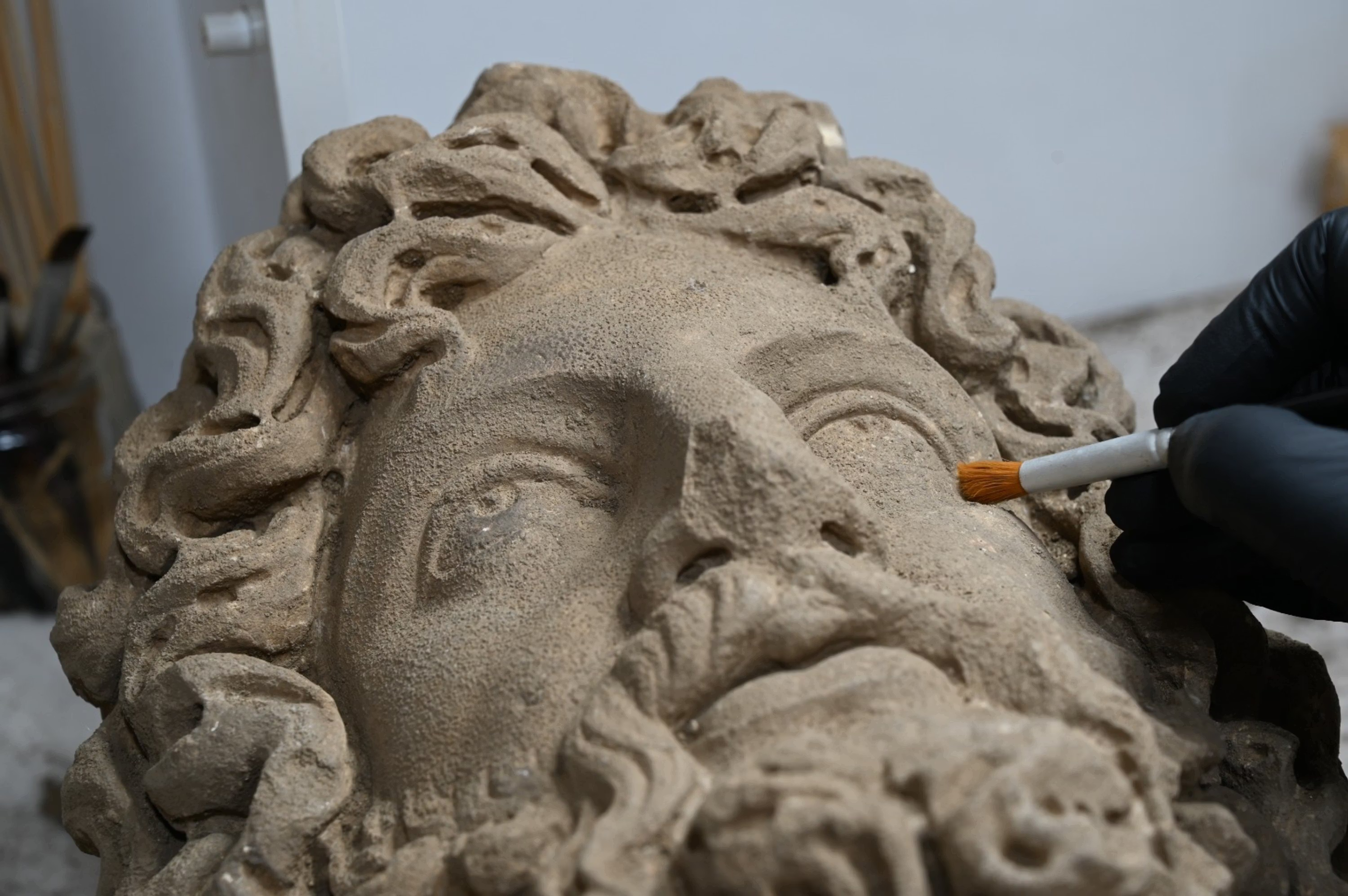
On a 2,134-metre summit,Mount Nemrut (1987) guards the tomb sanctuary of King Antiochus I of Commagene, its colossal stone heads blending Greek and Persian gods. On the Mediterranean coast, Xanthos-Letoon (1988) preserves the Lycian civilisation, including a trilingual stele that helped scholars read the Lycian language.
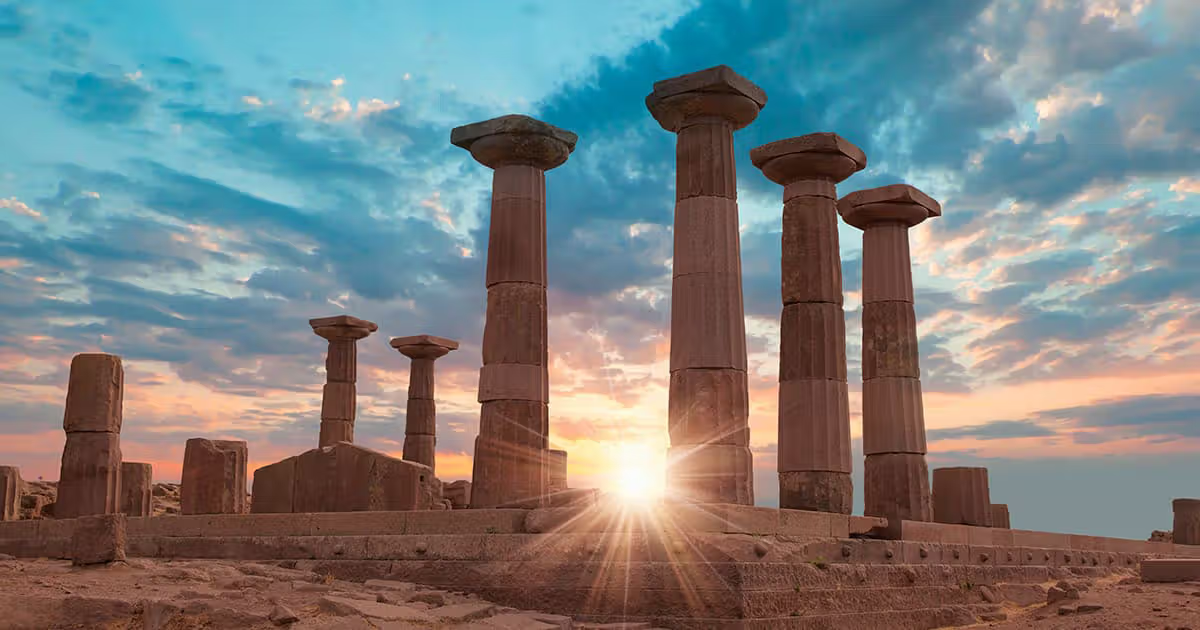
The Aegean holds the classical heavyweights.Pergamum (2014) gave the world its great library and the word “parchment”. Ephesus (2015) was home to the Temple of Artemis, one of the Seven Wonders, and still shows off the Library of Celsus. Aphrodisias (2017) was famed across Rome for its marble sculptors, while Hierapolis-Pamukkale (1988) pairs a Roman spa city with white travertine terraces.
Bursa and Cumalıkızık (2014) tell the birth of the Ottoman Empire, from its first capital to a village built to sustain it. Selimiye Mosque (2011) in Edirne is the work the architect Sinan called his masterpiece. Safranbolu (1994) is a preserved caravan town of timber houses, named for the saffron once traded there.
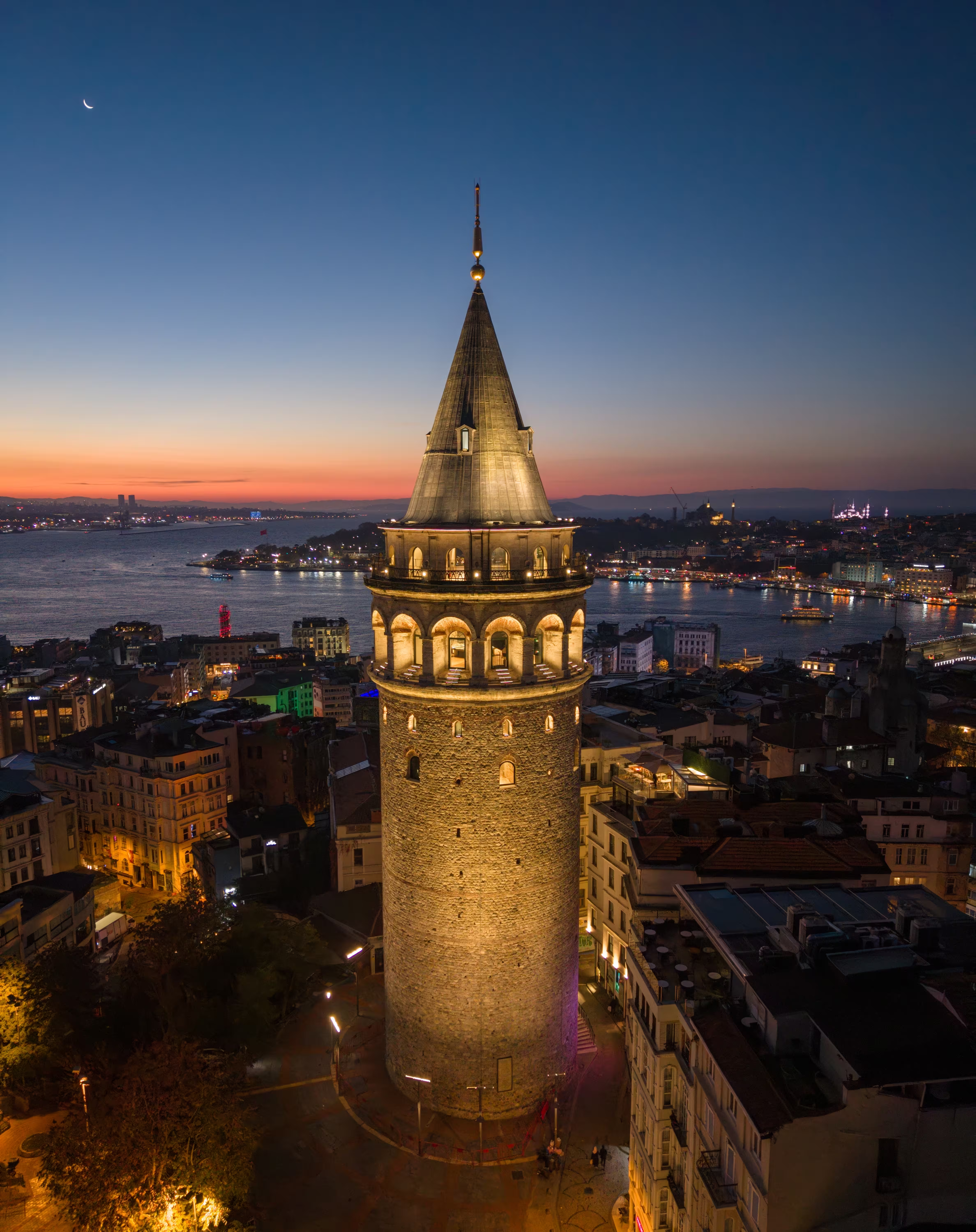
And all roads lead to the Historic Areas of Istanbul (1985): Hagia Sophia, the Theodosian Walls, Topkapı Palace and the Süleymaniye, capital of two empires for more than 1,500 years.
All 22 UNESCO World Heritage Sites in Türkiye at a glance
The 22 sites cluster into five regions, so most travellers combine two or three on one itinerary.
Istanbul and the Ottoman heartland: Istanbul, Bursa and Cumalıkızık, and Edirne’s Selimiye Mosque. Start with our guide A Round Trip Around Istanbul.
The Aegean classics: Troy, Pergamon, Ephesus, Sardis, Aphrodisias and Pamukkale, one of the densest stretches of ancient sites on Earth. See our Aegean & Ephesus tours.
Central Anatolia: Cappadocia, Hattusha, Gordion, Çatalhöyük, Safranbolu and the wooden mosques of Ankara, Beyşehir and Sivrihisar. See our Cappadocia tours.
Upper Mesopotamia: Göbekli Tepe, Nemrut Dağ, Arslantepe and Diyarbakır, where the story of civilisation begins. See our Southeast Türkiye tours.
The Lycian coast and the far east: Xanthos-Letoon pairs well with a Mediterranean holiday; Ani and Divriği suit travellers who want Türkiye off the beaten track.
Want all of it? Our Grand Türkiye tour links the highlights of each region with expert guides, private transfers and time to linger.
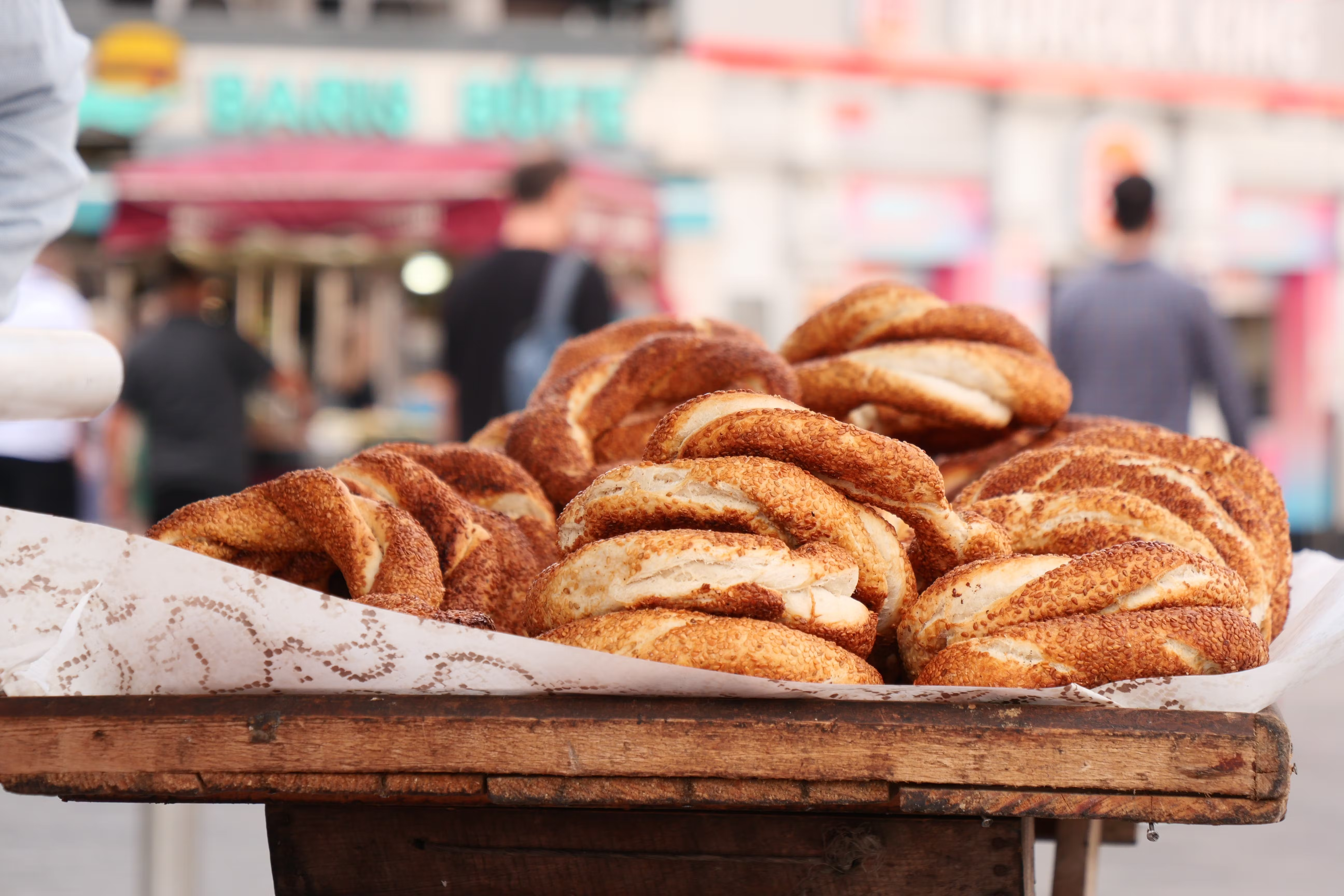
A Culinary Journey Through Türkiye: Street Food, Region by Region
Eight street foods, four regions and the official names that protect them, with field notes for operators on timing, hygiene, vegetarian, Jain and halal groups.
Nicaea at 1,700: A Journey to İznik, Where the Nicene Creed Was Born
The creed recited in churches every Sunday was agreed here in 325 AD. A fourth-century basilica lies beneath the lake, and İznik works as an overnight or a long day from an Istanbul programme.
Türkiye’s 22 UNESCO World Heritage Sites: A Journey Through 12,000 Years of History
A member of the UNESCO World Heritage Convention since 1983, Türkiye saw its first sites inscribed in 1985 and its latest, Sardis, in 2025, with 80 more on its Tentative List.
Faith Based Travel in Türkiye: Biblical Itinerary Guide
Plan a Christian pilgrimage in Türkiye: Paul's routes, the Seven Churches of Revelation, Ephesus, Cappadocia and Nicaea, with itineraries for group leaders.