Nicaea at 1,700: A Journey to İznik, Where the Nicene Creed Was Born
The creed recited in churches every Sunday was agreed here in 325 AD. A fourth-century basilica lies beneath the lake, and İznik works as an overnight or a long day from an Istanbul programme.
Nicaea at 1,700: A Journey to İznik, Where the Nicene Creed Was Born
Key Takeaways
Nicaea, today’s İznik in Türkiye, hosted Christianity’s first ecumenical council in 325 AD, convened by Emperor Constantine.
The council produced the original Nicene Creed and rejected Arius’s teaching that the Son was a created being.
Nicaea set the rule for a shared Easter date but never decided which books belong in the Bible, a common myth.
For the 1,700th anniversary, Pope Leo XIV and Patriarch Bartholomew prayed together in İznik on 28 November 2025.
Excavations in 2026 may have revealed the church where the council met, beneath the lakeside Basilica of St. Neophytos.
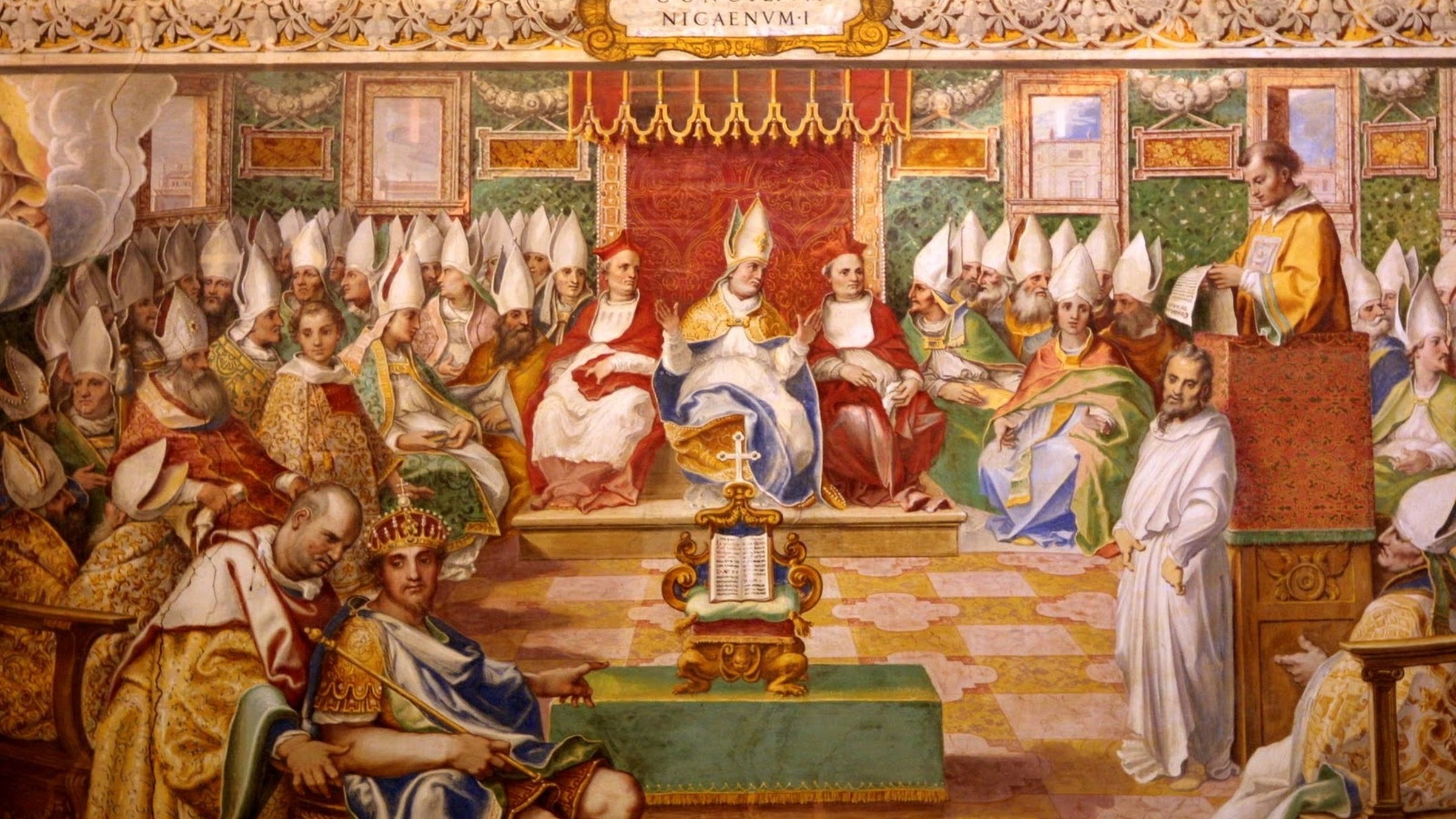
In the summer of 325 AD, Emperor Constantine gathered bishops from across the Roman world in Nicaea, a lakeside city in northwest Türkiye now called İznik. The council produced the first version of the Nicene Creed, the most widely shared statement of Christian faith. It also set out the principles for dating Easter and issued the Church’s first universal rules. Seventeen centuries later, İznik is again a place of pilgrimage. Pope Leo XIV prayed there in November 2025. Archaeologists working on the shore of Lake İznik believe they may finally have found the church where the council met.
The Nicene Creed, condemnation of Arianism, principles for dating Easter, 20 canons
Second council in the city
The Seventh Ecumenical Council, 787 AD
1,700th anniversary
Commemorated in İznik on 28 November 2025
What happened at the First Council of Nicaea?
The council grew out of a dispute in Alexandria. A priest named Arius taught that the Son was created by the Father and therefore had a beginning. His bishop, Alexander, insisted that the Son was eternal. The quarrel spread across the eastern Church, and Constantine, who had only recently become sole ruler of the empire, wanted it settled.
The bishops were originally meant to meet in Ancyra (modern Ankara). Constantine moved the council to Nicaea because it was close to his capital at Nicomedia, so he could attend in person, and because it was easier for bishops across the empire to reach. The imperial treasury paid their expenses, travel included. Contemporary accounts put attendance between 250 and 300, and the figure of 318 became the traditional number. The surviving lists of signatories contain 200–220 names.
Nearly all the bishops came from the eastern half of the empire. About twenty came from Egypt and Libya, fifty from Palestine and Syria, and more than a hundred from Asia Minor, the land that is now Türkiye. In other words, the first worldwide council of the Christian Church was overwhelmingly an Anatolian gathering.
The Nicene Creed: what was actually written in 325
Today, millions of Christians recite the Nicene Creed every Sunday. The version most churches use, however, is not exactly the one written at Nicaea. The creed was revised at the First Council of Constantinople in 381. The familiar phrase “maker of heaven and earth” belongs to that later version. The original 325 text described God as “maker of all things visible and invisible.”
The original creed added deliberate phrases against Arius’s position. It called Christ “true God from true God” and “begotten, not made,” and it declared him “of one substance with the Father.” That last term, homoousios in Greek, became the most debated word of the century.
Arius, the Trinity, and a debate that didn’t end in 325
Arius and two supporters refused to sign the creed. They were excommunicated and exiled, and Arius’s writings were ordered to be burned. The controversy did not end there. Arians and Meletians soon recovered most of the rights they had lost, and Arianism kept spreading and remained a live debate through the rest of the 4th century.
Nicaea is often credited with “defining the Holy Trinity.” The more accurate picture is that it laid the foundation. The council largely left questions about the Holy Spirit unaddressed. The fuller doctrine was formulated at the Council of Constantinople in 381.
Nicaea and the date of Easter
Nicaea did not invent the formula that churches use to calculate Easter. What it did was set two principles. Christians would no longer depend on the Jewish calendar to fix the date, and all churches would celebrate on the same day. The council specified no details for the calculation. Those were worked out in practice over centuries and produced many disputes, some still unresolved.
East and West still often celebrate Easter on different Sundays. Unity on this question returned to the agenda during the anniversary year. In 2025 the Eastern Orthodox and Western calendars happened to fall on the same Easter Sunday, April 20. In their November 2025 joint declaration, Pope Leo XIV and Ecumenical Patriarch Bartholomew agreed that a common date for Easter could be a first concrete step toward unity.
Constantine’s role: convener, not theologian
Constantine opened the council and joined its debates in Greek, but he did not see himself as a voting member because he was not a bishop. Hosius of Córdoba most likely presided over the sessions as his representative.
Nicaea was not Constantine’s first involvement in church affairs. He had already intervened in the Donatist schism in North Africa and convened the Council of Arles in 314. Nicaea’s real novelty was scale. It was the first attempt to bring together the whole Church of the empire. After the council closed, the bishops were invited to Constantine’s celebration of the twentieth anniversary of his reign on 25 July.
Was St. Nicholas really at Nicaea?
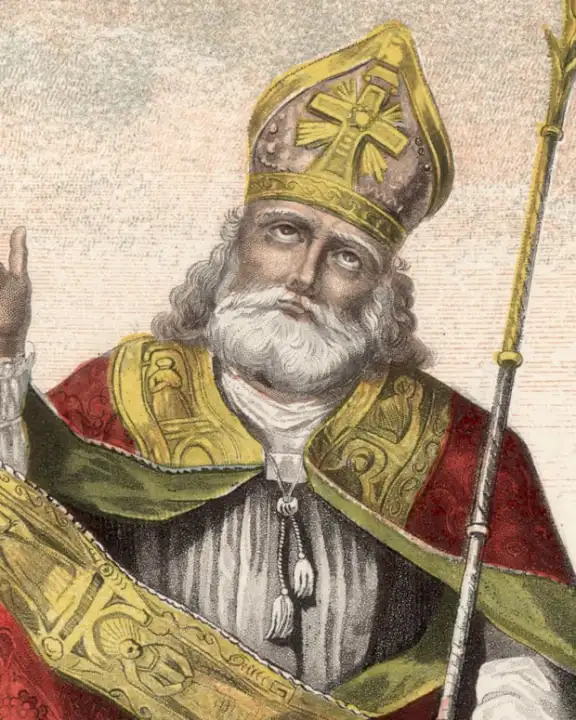
Tradition says yes. Popular legend even has the future “Santa Claus” slapping Arius in the middle of the debate. The historical record is less certain. Of the sixteen surviving lists of attendees, Nicholas’s name is missing from ten. It appears in the six longer lists that record 300 or more names. Scholars still debate which lists are more reliable. The fair summary is that his attendance is plausible but cannot be proven.
What is certain is that Nicholas was bishop of Myra, today’s Demre on Türkiye’s Lycian coast, where his church still stands. Travelers following his story can visit both Nicaea and Myra on a single journey through Türkiye.
Myth check: Nicaea did not choose the books of the Bible
This is one of the most persistent myths about the council. There is no record of the council discussing the biblical canon at all. The idea seems to come mainly from Voltaire, who popularised a story that the bishops placed competing books on an altar and kept the ones that did not fall off. That anecdote traces back to a pseudo-historical account written in 887.
The 1,700th anniversary: a pope in İznik
Pope Francis said many times that he wanted to come to İznik for the anniversary, but he was never able to. After his death on 21 April 2025, Pope Leo XIV was elected on 8 May 2025 and chose Türkiye for his first trip abroad. His apostolic journey to Türkiye and Lebanon ran from 27 November to 2 December 2025 and included a pilgrimage to İznik for the anniversary.
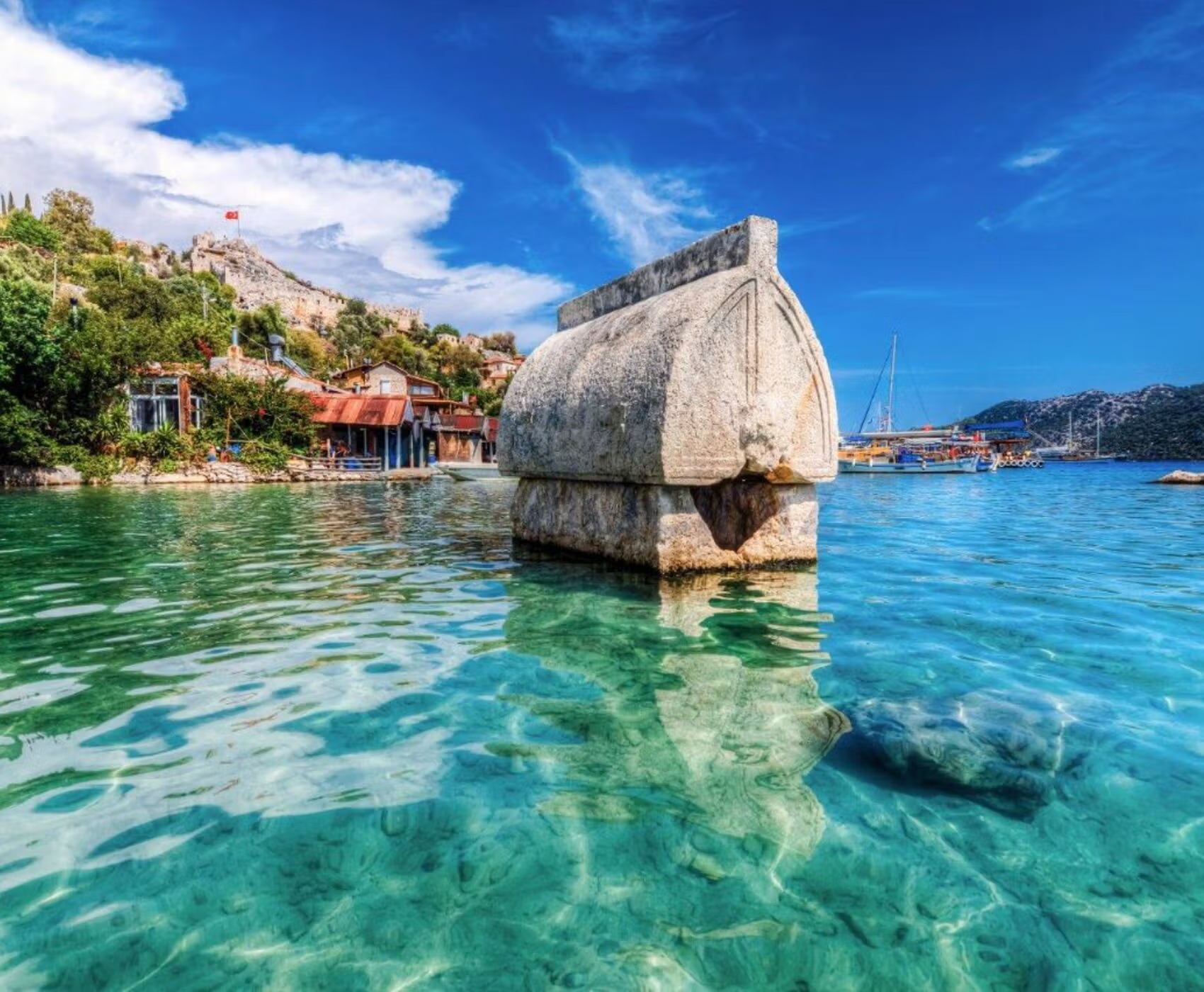
On 28 November 2025, Pope Leo flew from Istanbul to İznik by helicopter for a joint prayer with Patriarch Bartholomew and other Christian leaders. The prayers were said in English, Greek and Arabic, and candles were lit beside the submerged remains of a 4th-century basilica. Patriarch Bartholomew said he was grateful that together they could honour Pope Francis’s wish to mark the anniversary. The next day, the two leaders signed a joint declaration at the Ecumenical Patriarchate in Istanbul.
The basilica in the lake, and a discovery beneath it
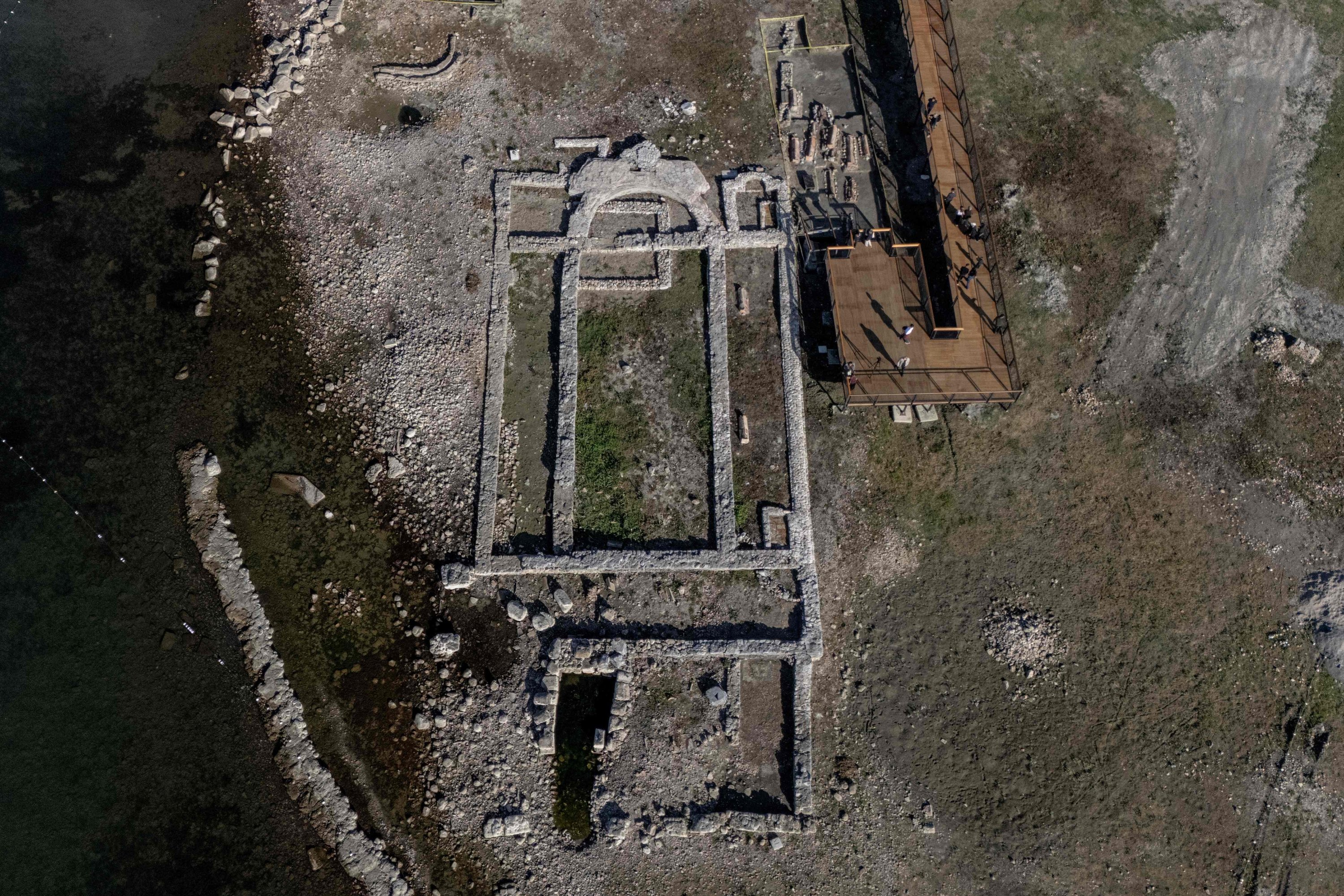
In early 2014, researchers photographing İznik from the air to inventory its historic sites spotted the outline of a basilica under the waters of Lake İznik. The Archaeological Institute of America named it one of the top 10 discoveries of the year. Archaeologist Mustafa Şahin, who led the excavation (its first six years were underwater), says the basilica was built around AD 380. It stands where a 16-year-old named Neophytos was martyred in AD 303.
The story moved forward again in 2026. During the 2026 season, excavators found wall foundations, floor paving and architectural elements that they attribute to the Church of St. Neophytos, an earlier church destroyed in the earthquake of AD 368. Şahin links these remains to Eusebius of Caesarea, a bishop who attended the council and later wrote that it met in a modest church. The later basilica, known as the Church of the Holy Fathers, would then have been built to honour the bishops of 325.
There is good reason for caution. The excavators themselves say interpretation is still open and further digging and analysis are needed, even though this is the strongest archaeological evidence so far for where the council met. Many historians place the sessions in Nicaea’s imperial palace instead. Either way, standing at the lake’s edge brings you closer to 325 AD than anywhere else on earth.
Hagia Sophia of İznik and the Seventh Ecumenical Council
Nicaea hosted not one but two ecumenical councils. The Second Council of Nicaea, the seventh ecumenical council, met in 787 at the city’s Hagia Sophia church. It ended the first period of Byzantine iconoclasm and affirmed the veneration of icons. In short, the icon tradition of the Orthodox world was confirmed in İznik.
The first version of the current building was commissioned by Emperor Justinian in the 6th century and dedicated to Holy Wisdom, like its famous namesake in Constantinople. When Orhan Gazi captured the city in 1331, the church became a mosque. Atatürk turned the damaged building into a museum in 1935. After restoration it reopened as a mosque in 2011. Today it is an active place of worship. Visitors are welcome outside prayer times and should dress modestly. Inside, fragments of Byzantine frescoes and floor mosaics remain visible.
More than the councils: İznik’s other layers
İznik rewards a longer stay. After the Fourth Crusade took Constantinople in 1204, Nicaea served as the capital of the Byzantine Empire of Nicaea until 1261. Its Roman and Byzantine walls, with their monumental gates, still ring much of the town. Under the Ottomans, İznik became famous for ceramics. The city’s celebrated tiles were used across the empire, including in Istanbul’s Blue Mosque. Local workshops keep the craft alive today.
Planning your pilgrimage to Nicaea
İznik lies about 130 kilometres southeast of Istanbul, roughly two to three hours by road depending on route and traffic. It can be visited in a single day from Istanbul, but an overnight stay lets you see the lakeside basilica at sunset and explore the walls and tile workshops at a slower pace.
The most meaningful itineraries combine Nicaea with other early Christian sites in Türkiye:
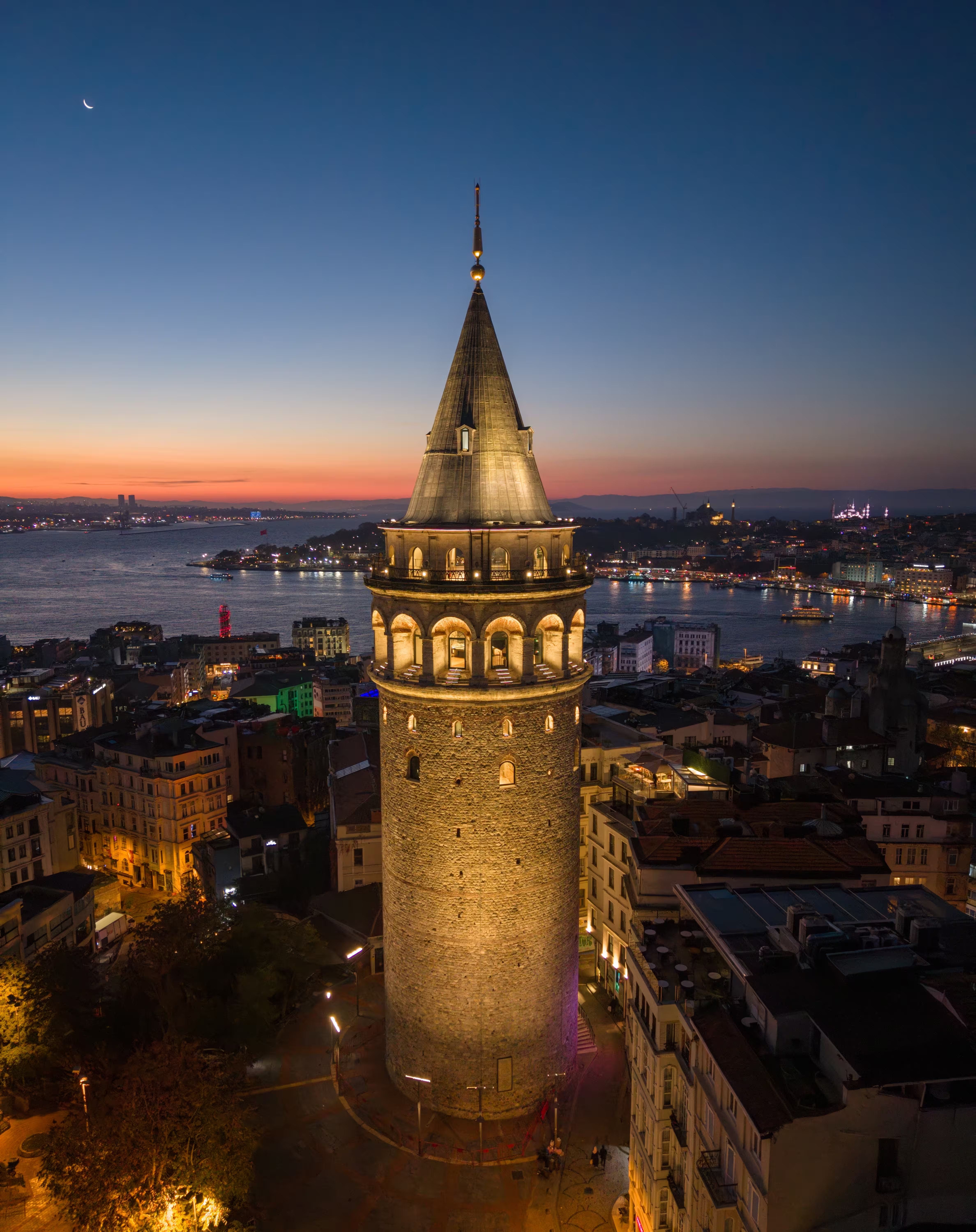
Istanbul: Hagia Sophia, the Chora, and the Ecumenical Patriarchate at the Phanar, where the 2025 joint declaration was signed
Bursa: the first Ottoman capital, a short drive from İznik
Ephesus: the city of Paul’s letters and of the Council of Ephesus (431)
Myra (Demre): the Church of St. Nicholas on the Lycian coast
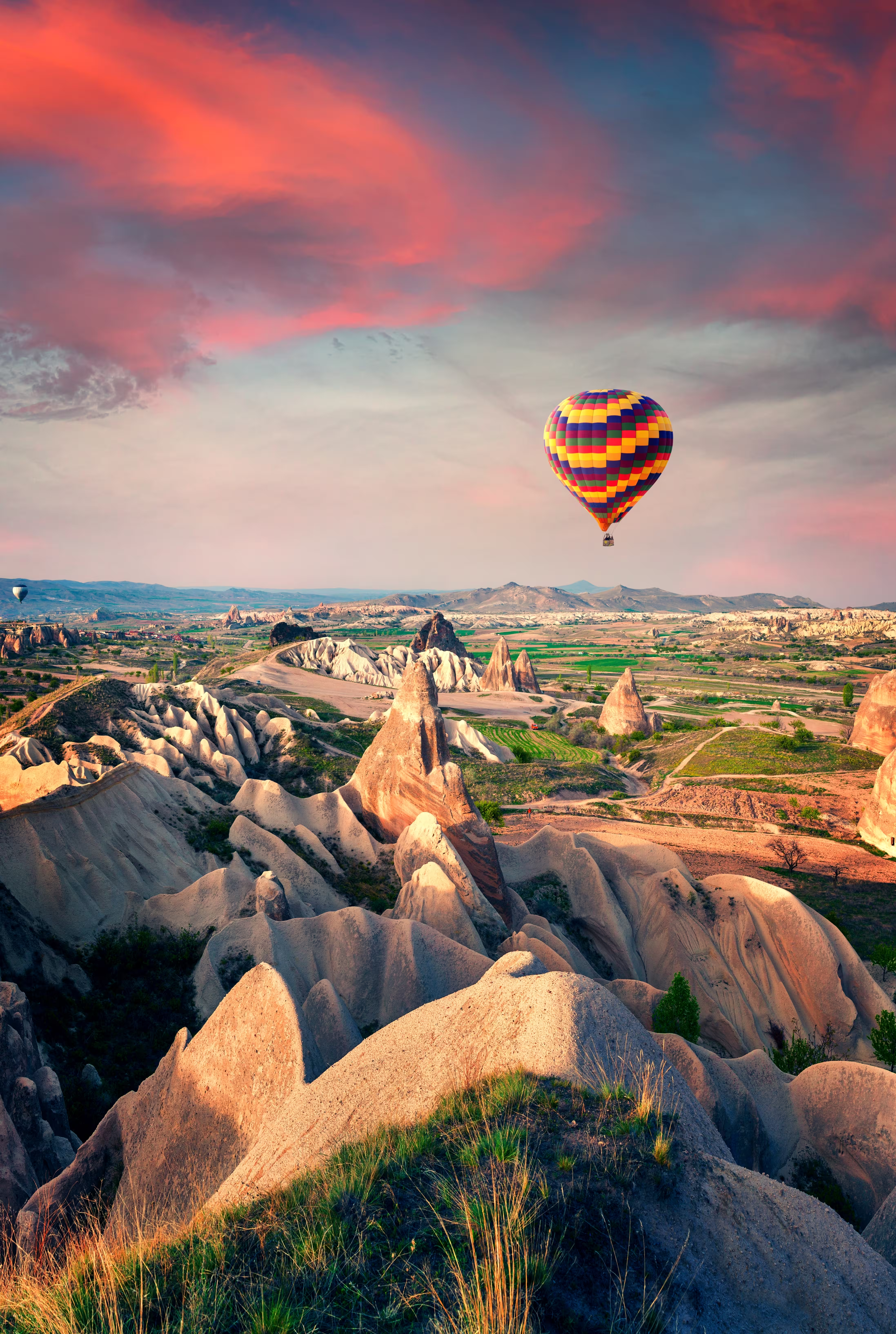
Cappadocia: rock-cut churches linked to the Cappadocian Fathers, who carried Nicaea’s theology forward to 381
Marveltour has designed journeys across Türkiye since 1982 and can build a Nicaea visit into a faith-based itinerary, or arrange it as a pre- or post-programme extension to a wider tour.
A Culinary Journey Through Türkiye: Street Food, Region by Region
Eight street foods, four regions and the official names that protect them, with field notes for operators on timing, hygiene, vegetarian, Jain and halal groups.
Nicaea at 1,700: A Journey to İznik, Where the Nicene Creed Was Born
The creed recited in churches every Sunday was agreed here in 325 AD. A fourth-century basilica lies beneath the lake, and İznik works as an overnight or a long day from an Istanbul programme.
Türkiye’s 22 UNESCO World Heritage Sites: A Journey Through 12,000 Years of History
A member of the UNESCO World Heritage Convention since 1983, Türkiye saw its first sites inscribed in 1985 and its latest, Sardis, in 2025, with 80 more on its Tentative List.
Faith Based Travel in Türkiye: Biblical Itinerary Guide
Plan a Christian pilgrimage in Türkiye: Paul's routes, the Seven Churches of Revelation, Ephesus, Cappadocia and Nicaea, with itineraries for group leaders.